Severe Winter Storm Forces Road Closures in Kurdistan Region; Authorities Issue Urgent Travel Warnings
Heavy snow and rain closed the Zini Warte road and disrupted traffic across Kurdistan. Officials warned residents to limit travel and tourists to stay away, citing safety risks and flood hazards.
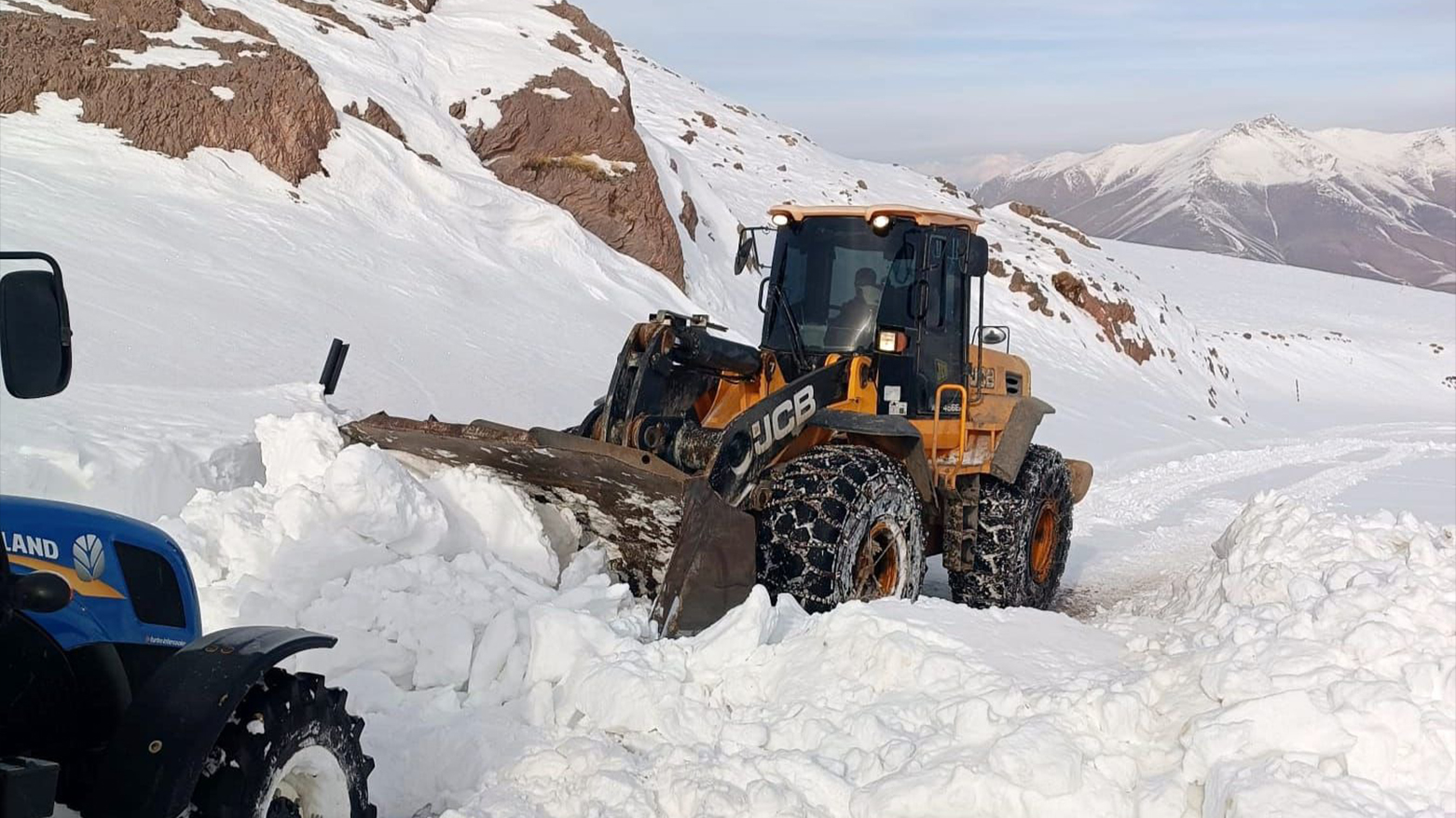
ERBIL (Kurdistan24) – A powerful winter storm system bringing heavy snowfall and torrential rain swept across the Kurdistan Region on Sunday, compelling local authorities to close key mountain passes and issue urgent public safety warnings aimed at both residents and tourists.
The adverse weather conditions, which intensified on Sunday, have created significant logistical obstacles across various districts, prompting administrators in the Soran Independent Administration and the Chamchamal district to mobilize emergency teams and restrict vehicular movement to prevent accidents and property damage.
The severity of the weather system was most acutely felt in the mountainous areas of the region, where accumulating snow rendered specific transit routes impassable. According to official reports, the precipitous drop in conditions necessitated the complete closure of the Zini Warte road, a strategic route in the area.
Halgurd Sheikh Najib, the Supervisor of the Soran Independent Administration, confirmed the closure in a statement to Kurdistan24 on Sunday. He described the situation as critical, noting that the heavy snowfall had created significant traffic obstacles not only on the Zini Warte pass but also on several other roads within the administrative jurisdiction.
Najib indicated that the weather impact was widespread, with the snow cover extending across the Mergasor District and enveloping all surrounding mountainous terrain. The extent of the accumulation has forced local officials to prioritize public safety over connectivity.
In his statement, the Supervisor issued a direct appeal to compatriots residing in the affected areas, calling on them to avoid using the roads as much as possible. This directive is intended to protect the lives of citizens, as the driving conditions in the high-altitude districts remain treacherous due to the ongoing precipitation.
In addition to the warnings issued to local residents, the Soran Independent Administration addressed the potential influx of visitors who often travel to the region to witness the snowfall.
Najib explicitly asked tourists not to visit the area for tourism purposes under the current circumstances "in any way." He clarified that the presence of recreational traffic creates substantial obstacles for road maintenance teams who are currently deployed and busy clearing the thoroughfares.
The Supervisor emphasized that the arrival of tourists during such a severe weather event poses a danger not only to the efficiency of the municipal response but to the lives of the tourists themselves.
While the mountainous north grappled with snow, other parts of the Kurdistan Region faced challenges related to heavy rainfall. In the Chamchamal district, the primary concern shifted from blocked passes to the risks associated with water accumulation and potential urban flooding.
The Chamchamal Traffic Directorate published a formal notice on Sunday addressing the citizens of the area regarding the heavy wave of rainfall that has covered the district.
The directorate’s advisory focused on mitigating material damage to private property.
Authorities in Chamchamal specifically asked drivers to exercise caution regarding where they leave their vehicles. The notice instructed citizens not to park their cars on streets or in locations known to be susceptible to water accumulation.
This preventive measure aims to safeguard vehicles from the rising water levels that often accompany such intense periods of rainfall. The traffic directorate’s warning underscores the broader impact of the storm system, which has necessitated different emergency responses depending on the local geography and precipitation type.
Across the region, relevant parties have emphasized that the government’s response apparatus is fully engaged. Emergency services and municipal teams have been placed on high alert to confront any untoward situation that may arise due to the adverse weather conditions.
These teams are actively working to manage the fallout from the storm, from clearing snow-clogged mountain roads in Soran to monitoring water levels in Chamchamal.
The coordination between the various administrative bodies highlights the scale of the weather event. By issuing simultaneous warnings regarding travel restrictions and parking safety, officials are attempting to minimize the disruption caused by the storm.
The closure of the Zini Warte road serves as a focal point for the disruption, signaling the intensity of a winter system that has effectively halted normal traffic patterns in the most affected rugged terrains of the Kurdistan Region.
As the wave of snow and rain continues to impact the area, the advisories from both the Soran Independent Administration and the Chamchamal Traffic Directorate remain in effect, with a clear emphasis on limiting movement to essential travel only until conditions improve.