Yemen Declares State of Emergency, Cancels Defense Pact with UAE After Separatist Advances
Authorities declared a 90-day state of emergency, including a 72-hour air, sea, and land blockade.
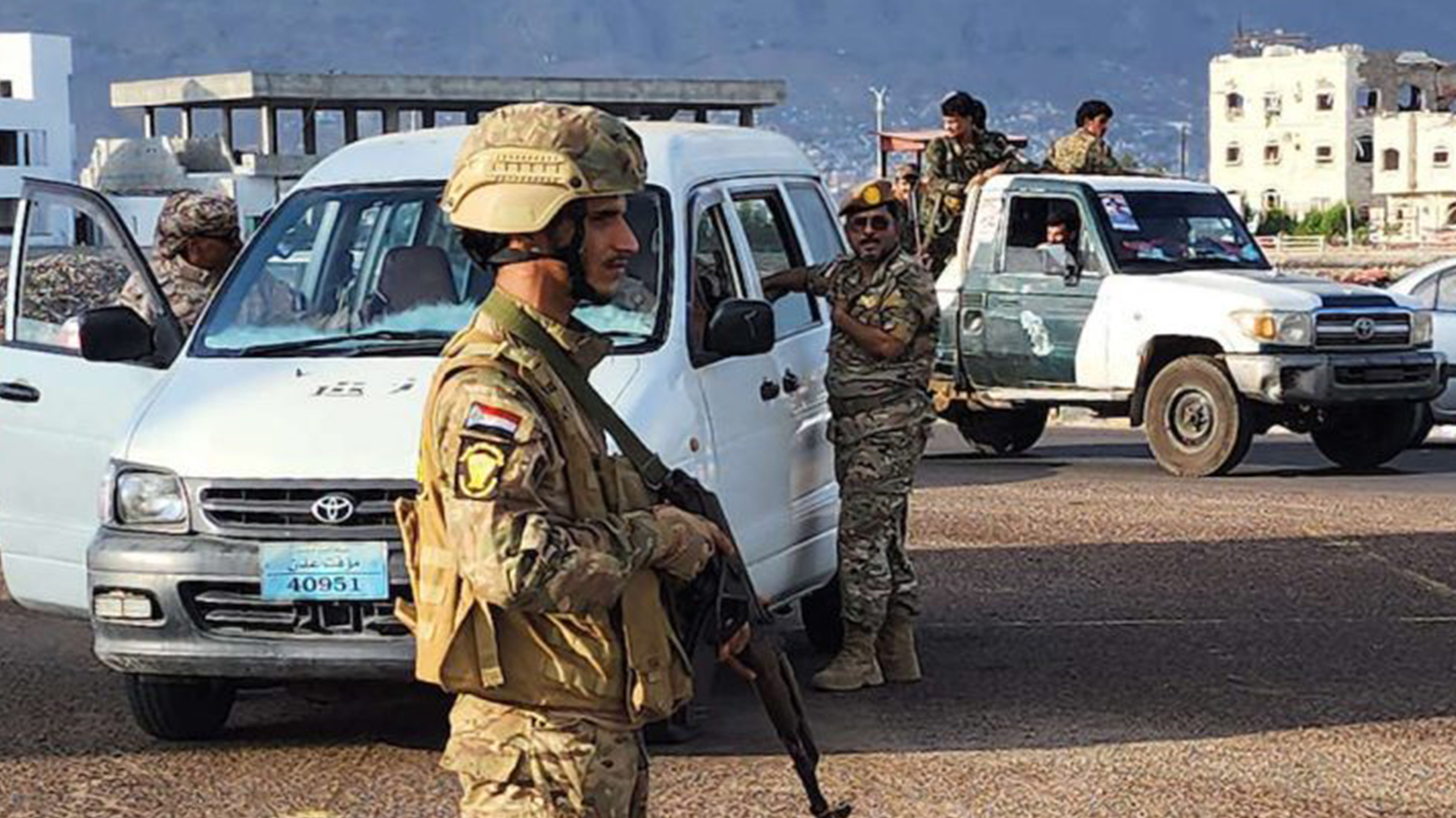
ERBIL (Kurdistan24) — The head of Yemen’s Presidential Leadership Council on Tuesday declared a state of emergency and announced the cancellation of a joint defense agreement with the United Arab Emirates, after Abu Dhabi-backed separatist forces seized large areas of territory, according to an official statement.
“The Joint Defense Agreement with the United Arab Emirates is hereby cancelled,” the statement said, marking a sharp escalation in tensions between Yemen’s internationally recognized leadership and one of its former key allies.
In a separate decree, authorities declared a 90-day state of emergency, including a 72-hour air, sea, and land blockade.
The measures come after southern separatist forces, widely reported to be supported by the UAE, expanded their control over strategic locations, underscoring the growing fragmentation within the anti-Houthi camp and complicating efforts to stabilize the war-torn country.
The UAE has played a prominent role in Yemen since joining the Saudi-led military coalition in 2015, which intervened against the Iran-aligned Houthis that seized the capital, Sanaa, the previous year.
While Abu Dhabi formally reduced its military footprint in Yemen in 2019, it has continued to exert influence through local allies, particularly the Southern Transitional Council (STC), which seeks to re-establish an independent state in southern Yemen.
Clashes between forces loyal to the internationally recognized government and the STC have erupted repeatedly over recent years, despite power-sharing arrangements brokered by Saudi Arabia.
The STC was later incorporated into the Presidential Leadership Council, formed in 2022 to unify anti-Houthi factions after then-President Abedrabbo Mansour Hadi transferred his powers to the new body.
Despite this framework, tensions have persisted, with competing political agendas, rival security forces, and disputes over control of ports, oil facilities, and key cities in the south.
The declaration of a state of emergency and the imposition of a temporary blockade signal growing alarm within Yemen’s leadership over the separatists’ territorial gains and their broader implications for national unity.
Officials have warned that the latest developments risk further destabilizing already fragile security conditions and undermining international efforts to advance a political settlement.
Yemen remains mired in one of the world’s worst humanitarian crises, with millions dependent on aid after nearly a decade of conflict that has devastated infrastructure, crippled the economy, and displaced large segments of the population.
While fighting between the Houthis and the Saudi-led coalition has largely subsided since a UN-brokered truce in 2022, unresolved internal rivalries continue to threaten renewed violence.
Observers say the breakdown in relations between Yemen’s leadership and the UAE-backed separatists highlights the complex and often contradictory alliances that have shaped the conflict, raising fresh questions about the prospects for a unified state and a durable peace.