Yemen’s Southern Separatists Signal Renewed Push for Statehood After Rapid Territorial Gains
“What happened recently has made southerners more determined — psychologically and emotionally — to restore the state,” STC spokesman Anwar al-Tamimi said.
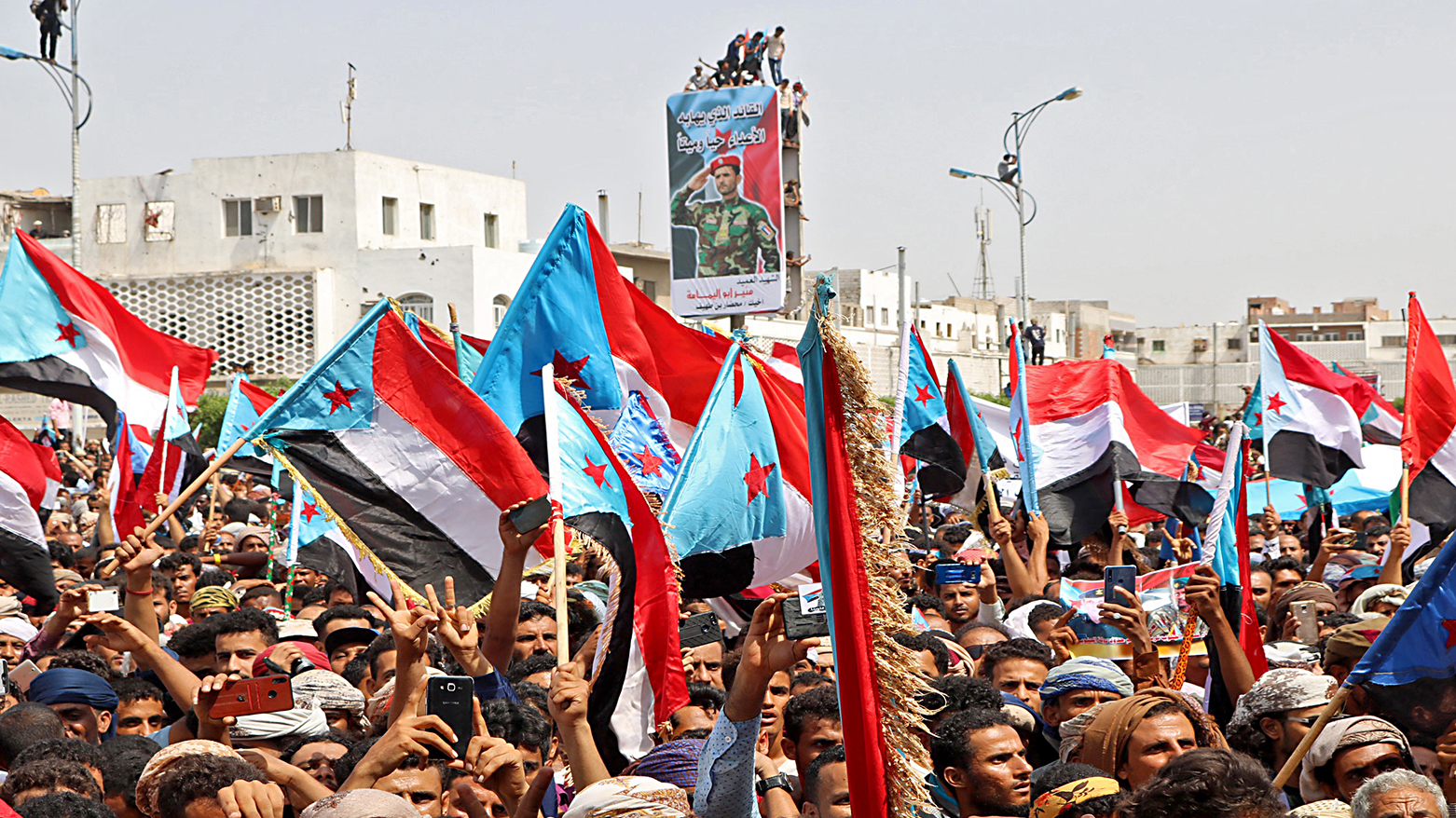
ERBIL (Kurdistan24) — Yemen’s Southern Transitional Council (STC) has reaffirmed its determination to reestablish an independent southern state following a swift and sweeping territorial advance this month, underscoring a renewed challenge to the country’s fragile political order after more than a decade of war.
Speaking to AFP in Abu Dhabi on Wednesday, STC spokesman Anwar al-Tamimi said the separatist group’s recent battlefield successes had strengthened popular resolve in the south, while stressing that formal secession would depend on favorable political and regional conditions.
“What happened recently has made southerners more determined — psychologically and emotionally — to restore the state,” Tamimi said, adding that the timing of such a move would hinge on “the appropriate historical, international and regional moment.”
The STC’s lightning offensive in early December has dramatically altered Yemen’s balance of power. The UAE-backed coalition now controls nearly all of the territory that once formed South Yemen, which existed as an independent state from 1967 until unification with North Yemen in 1990.
With these gains, the STC now holds more land than any other single faction in Yemen’s deeply fragmented political and military landscape.
The advance has injected fresh volatility into a conflict that began in 2014, when Iran-aligned Houthi rebels seized the capital, Sanaa, and forced out the internationally recognized government.
Since then, Yemen has been the scene of a protracted and devastating war involving a Saudi-led coalition backing the government against the Houthis, alongside a complex web of local militias and rival political forces.
Despite Saudi air strikes targeting STC positions and repeated calls from Riyadh for the group to withdraw from newly seized areas — including territories near Saudi Arabia’s southern border — the separatists have signaled they will hold their ground and consolidate control.
Analysts say the STC’s success has embarrassed Saudi Arabia, the dominant regional power in the coalition and the principal sponsor of Yemen’s recognized government, by exposing deep fissures within the anti-Houthi camp.
Tensions have also surfaced between Riyadh and Abu Dhabi, longtime allies in the Yemen campaign but supporters of different local partners. The Saudi-led coalition this week said it had struck what it described as an Emirati arms shipment at an STC-controlled port, while calling on the UAE to withdraw its forces from Yemen within 24 hours.
Emirati officials said they would comply, a move that could further complicate coordination on the ground.
The STC is an umbrella coalition of southern political and armed groups that have long rejected the post-unification political settlement, arguing that southern Yemen has been marginalized economically and politically since 1990.
While the group has at times cooperated with the recognized government against the Houthis, its ultimate objective — restoring an independent southern state — puts it on a collision course with both Sanaa’s exiled leadership and Saudi Arabia’s stated goal of preserving Yemen’s territorial integrity.
As fighting lines shift and regional dynamics evolve, Yemen’s conflict appears poised to enter another uncertain phase, with the southern question once again emerging as a central fault line in efforts to end one of the world’s most complex and destructive wars.