Speaking to Kurdistan24, Senior Iraqi Presidential Adviser Outlines Risks of Kurdish Disunity in Upcoming Presidential Vote
Iraqi presidential adviser Mohammed Amin Fares says the nomination window closes Monday, with parliament set to elect a new president within a month, warning Kurdish parties to unite behind a single candidate.
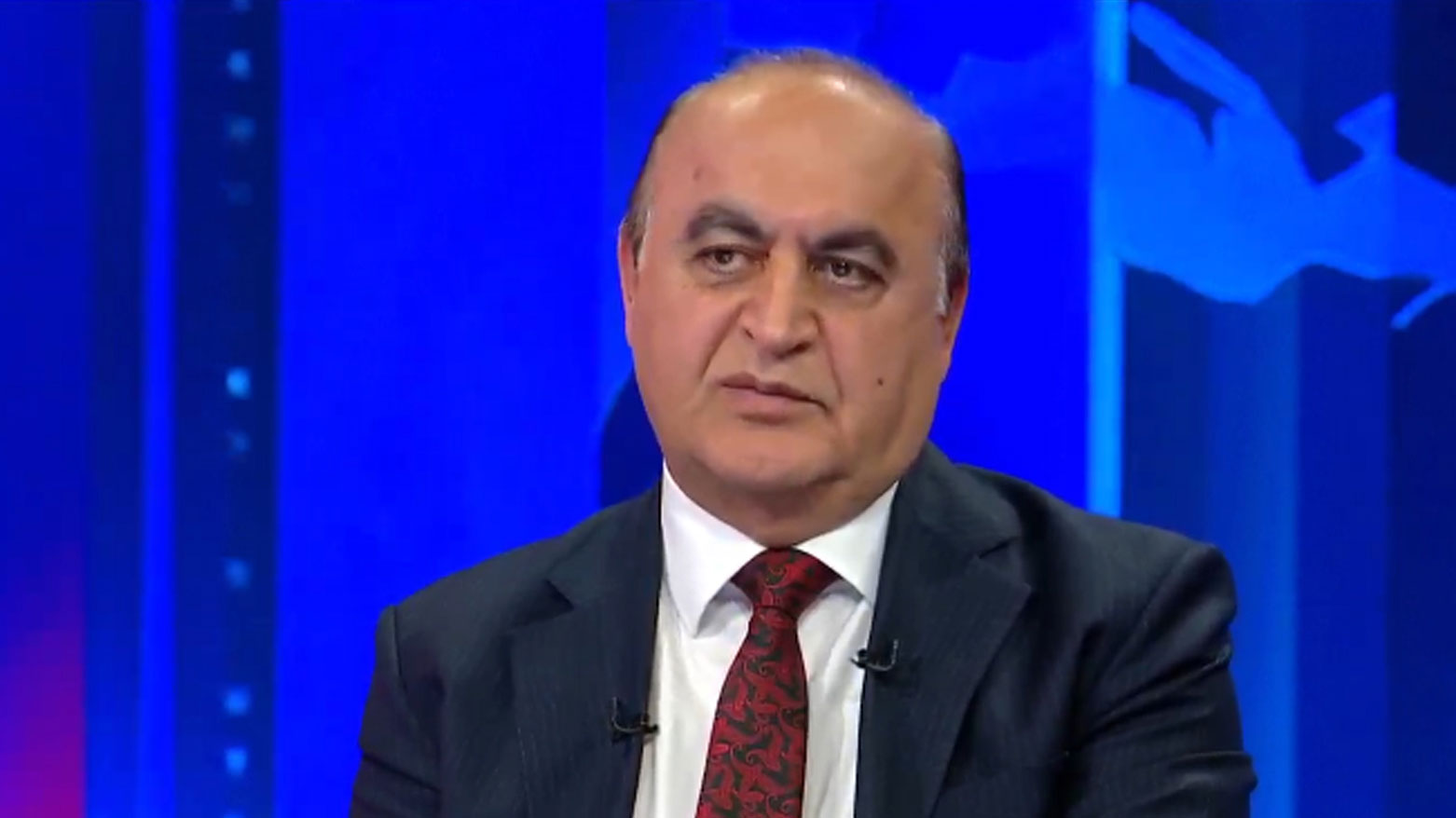
ERBIL (Kurdistan24) - As Iraq moves closer to selecting its next head of state, a senior adviser to the Iraqi president announced that the nomination window for the presidency will officially close on Monday, setting the stage for a parliamentary vote within a month amid growing warnings over Kurdish political fragmentation.
Speaking to Kurdistan24 on Friday, Mohammed Amin Fares, an adviser to the President of Iraq, said Monday would mark the final deadline for candidates seeking to run for the post of Iraqi president. He confirmed that the Iraqi parliament is expected to elect the new president within one month through a formal voting process.
According to Fares, the candidate elected by parliament must secure a two-thirds majority of the votes in order to assume the presidency. He noted that the process is entering a decisive phase and stressed that political coordination will be critical in the coming weeks.
Fares issued a clear warning to Kurdish political parties, urging them to approach Baghdad with a unified stance and a single presidential candidate. He cautioned that failure to do so could allow other political blocs to impose a candidate of their choosing.
“If the Kurds do not go to Baghdad with one candidate, other parties will select someone who may not defend Kurdish constitutional rights and will make decisions based on the demands of those blocs,” Fares said.
The presidential adviser emphasized that unity among Kurdish parties is essential to ensuring the selection of a president capable of safeguarding Kurdish constitutional entitlements. He added that presenting multiple Kurdish candidates would weaken their position during the parliamentary vote.
Fares also underlined that, under Iraq’s constitution, the presidency is allocated to the Kurdish component, but it is not reserved for any specific political party. In this context, he pointed to the role of Kurdistan Democratic Party leader Masoud Barzani in outlining mechanisms for selecting the Iraqi president.
According to Fares, Barzani has identified two possible paths for choosing the president: either through parliamentary selection or through a political agreement among major parties on a consensus candidate. He described this approach as the most effective solution for determining Iraq’s next president.
With the nomination deadline set to close on Monday and parliamentary elections expected within a month, political coordination — particularly among Kurdish parties — is emerging as a decisive factor in shaping Iraq’s next presidency.