EU Calls for Restraint and Adherence to International Law Following U.S. Operation in Venezuela
EU urges restraint and respect for international law after Trump announces Maduro's capture; Kallas emphasizes UN Charter and EU citizen safety.
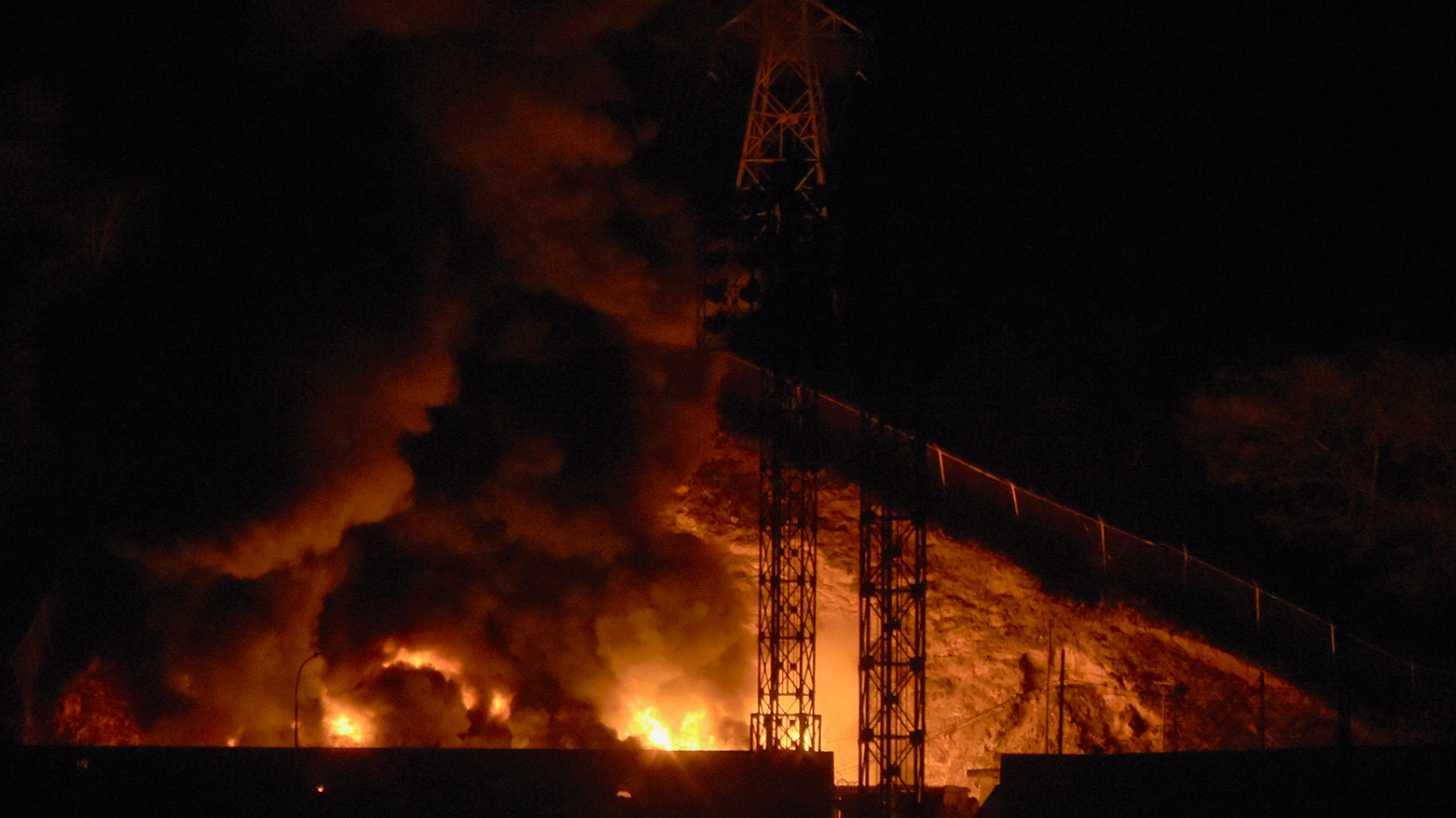
ERBIL (Kurdistan24) — The European Union issued a formal call for restraint and strict adherence to international law on Saturday, responding to the announcement by United States President Donald Trump that American military forces had executed a large-scale assault in Venezuela resulting in the capture of President Nicolás Maduro.
The statement from the 27-nation bloc highlights the diplomatic complexities emerging in the wake of the U.S. operation, balancing the European Union’s longstanding rejection of Maduro’s legitimacy with concerns regarding the methods used to remove him.
Kaja Kallas, the European Union’s top diplomat, articulated the bloc’s position shortly after holding urgent discussions with her American counterpart, Marco Rubio.
According to a report by Agence France-Presse (AFP), the European Union’s response centers on the necessity of upholding global legal frameworks during this period of volatility. While acknowledging the political crisis in Caracas, Brussels emphasized that military actions must not supersede the established rules of international conduct.
“The EU has repeatedly stated that Maduro lacks legitimacy and has defended a peaceful transition” in Venezuela, Kallas wrote in a statement published on the social media platform X.
However, she qualified this stance by underscoring the legal obligations of all state actors involved. “Under all circumstances, the principles of international law and the UN Charter must be respected. We call for restraint,” Kallas wrote.
The call for restraint follows President Trump’s declaration that a U.S. operation had successfully seized the Venezuelan leader, a development that has fundamentally altered the geopolitical landscape of Latin America. The European Union, which has maintained a distinct diplomatic approach to the Venezuelan crisis compared to Washington, is now moving to assess the implications of the U.S. intervention.
Kallas stated that the European Union was closely monitoring the “fast-moving situation” unfolding on the ground. She confirmed that she had already spoken directly with the bloc’s envoy to Venezuela to gauge the immediate conditions in the country.
A primary concern for Brussels in the immediate aftermath of the assault is the welfare of European nationals currently in the region. Kallas emphasized that the safety of EU citizens remains “our top priority” as the situation develops.
The European Union’s reaction is rooted in a protracted dispute over the governance of Venezuela. The bloc has consistently refused to recognize the results of the disputed 2024 presidential election, which handed Maduro a controversial third term in power. In response to what it viewed as the undermining of democratic processes, the European Union has previously imposed sanctions on dozens of Venezuelan officials.
Despite this shared opposition to Maduro’s rule, a divergence in policy remains between Brussels and Washington regarding the recognition of the country's leadership.
While the United States formally recognized opposition candidate Edmundo González Urrutia as Venezuela’s rightful leader, the European Union has stopped short of taking that specific diplomatic step. The bloc has instead focused its efforts on advocating for a democratic transition rather than unilaterally conferring head-of-state status on the opposition figure.
The background of the 2024 election remains central to the current crisis. González Urrutia ran for the presidency as a last-minute stand-in for the opposition’s primary figurehead, María Corina Machado. Machado was barred by Venezuelan authorities from contesting the election, a move that drew widespread international condemnation and precipitated the electoral standoff.
Following the disputed vote, González Urrutia was forced to flee Venezuela. He sought refuge in Madrid, Spain, where he currently resides. The AFP report noted that in the wake of Saturday's dramatic events, the government in Madrid has offered to act as a mediator following the capture of Maduro.
This offer suggests a potential avenue for diplomatic engagement as the international community grapples with the power vacuum and the legal ramifications of the U.S. military action.
As the situation continues to evolve, the European Union’s insistence on the UN Charter signals a desire to bring the crisis back within the bounds of multilateral diplomacy, even as the United States pursues a unilateral military solution to end Maduro’s tenure.