Trump Announces U.S. Will “Run” Venezuela After Maduro Captured in Striking Military Operation
Operation shocks Caracas as Trump signals long-term U.S. involvement, prioritizing oil and regime overhaul.
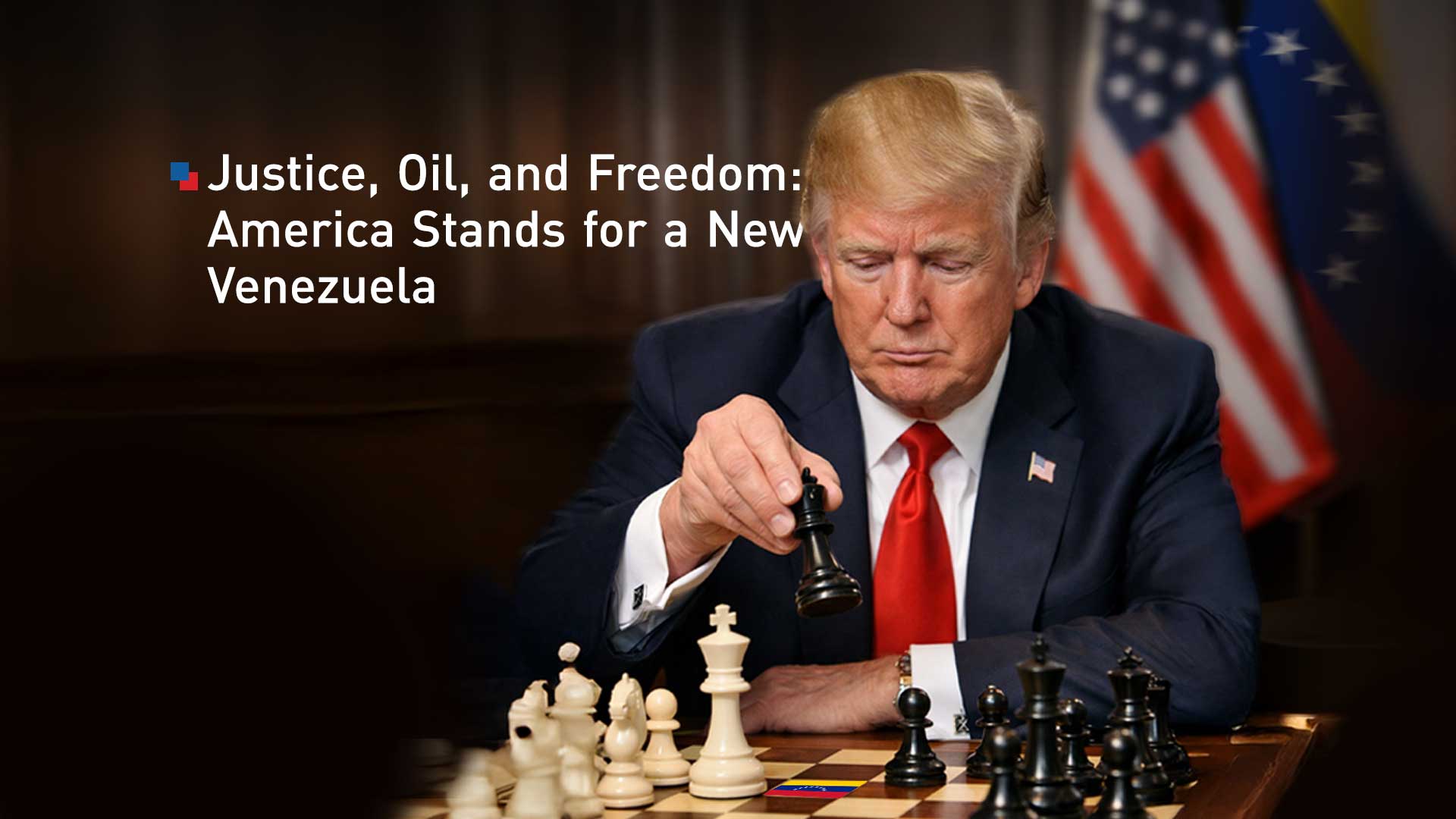
ERBIL (Kurdistan24) — U.S. President Donald Trump announced Saturday that the United States will “run” Venezuela and tap its vast oil reserves following a lightning military operation in which Venezuelan President Nicolás Maduro and his wife were seized and flown to U.S. soil to face narcotics and terrorism charges. The announcement came hours after airstrikes pounded multiple sites in Caracas, leaving the capital in partial blackout and sending residents fleeing into the streets.
At a press conference in Florida, Trump outlined the goals of the operation, emphasizing both regime change and control of Venezuela’s oil infrastructure. “We’re going to have our very large United States oil companies, the biggest anywhere in the world, go in, spend billions of dollars, fix the badly broken infrastructure,” he said.
“We’ll be selling large amounts of oil.”
He added that U.S. troops could remain in Venezuela until a “proper transition” is arranged, stressing, “We’re not afraid of boots on the ground.”
Trump said the U.S. would work with Maduro’s deputy, Delcy Rodriguez, suggesting she could cooperate with Washington to implement the policy. He dismissed the U.S.-backed opposition leader and Nobel laureate Maria Corina Machado, saying she lacked support in Venezuela.
The strike, involving the aircraft carrier USS Gerald R. Ford and a fleet of 150 aircraft, targeted major military installations, including an airbase and a military base near Caracas.
Helicopters inserted special forces who captured Maduro and his wife without resistance. General Dan Caine, the top U.S. military officer overseeing the operation, confirmed there were no U.S. casualties.
Trump released a photo showing Maduro in handcuffs, blindfolded, and wearing ear protection aboard a U.S. naval ship. Caracas reportedly experienced a partial blackout caused by U.S. electronic operations to facilitate the seizure.
Witnesses described an initial wave of explosions and helicopter activity, followed by an unusual calm as police took control of key public buildings.
The operation has drawn sharp international criticism. U.N. Secretary-General António Guterres said he was “deeply concerned that the rules of international law have not been respected.”
China, a longtime ally of Maduro, condemned the U.S. strike, while France and other European nations cautioned that Venezuela’s political future cannot be “imposed from outside.”
Domestically, reactions are divided. Trump’s ally Mike Johnson, the Republican Speaker of the House, called the operation “decisive and justified,” while several members of Congress questioned its legality and whether Trump had the authority to conduct such a unilateral operation.
The extraordinary operation is framed as law enforcement, citing Maduro’s alleged role in narcotics trafficking and illegal migration affecting the United States.
U.S. officials and European allies have long refused to recognize Maduro’s 2018 and 2024 elections as legitimate, citing widespread electoral fraud. Trump’s rhetoric also emphasized Venezuela’s oil wealth, signaling economic and strategic motivations behind the operation.
The U.S. seizure of Maduro marks one of the most unprecedented actions by an American president against a sitting foreign leader in decades, drawing historical comparisons to the 1990 capture of Panamanian leader Manuel Noriega.
Observers warn the operation could have far-reaching geopolitical repercussions in Latin America and beyond, especially as Washington prepares to manage both the political transition and the country’s critical oil infrastructure.