Global Reactions Split After US Seizes Venezuela’s Maduro as Trump Signals Interim Control
European leaders back transition but stress international law, while China condemns US action and Washington outlines plans to manage Venezuela temporarily.
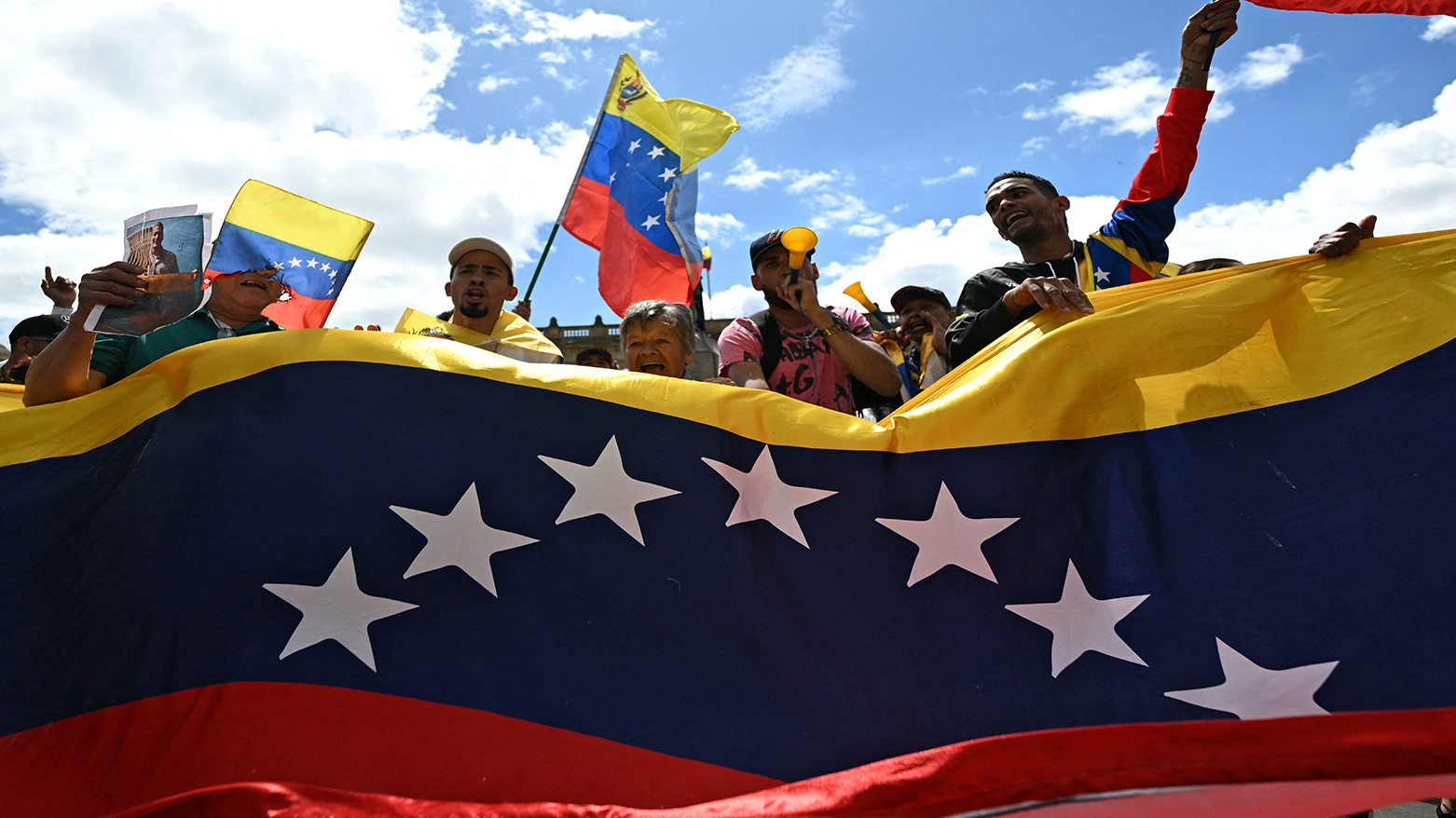
ERBIL (Kurdistan24) — International reactions diverged sharply on Saturday after the United States seized Venezuelan President Nicolas Maduro in a surprise operation in Caracas, with European leaders welcoming the end of his rule while urging respect for international law, and China strongly condemning Washington’s actions as a violation of sovereignty.
British Prime Minister Keir Starmer said the United Kingdom would discuss the “evolving situation” in Venezuela with US counterparts in the coming days, reiterating London’s long-standing position that Maduro lacked legitimacy.
“The UK has long supported a transition of power in Venezuela. We regarded Maduro as an illegitimate president, and we shed no tears about the end of his regime,” Starmer said, while stressing Britain’s support for international law and a “safe and peaceful transition to a legitimate government that reflects the will of the Venezuelan people.”
German Chancellor Friedrich Merz echoed criticism of Maduro’s rule, saying the Venezuelan leader had “led his country to ruin” and noting that Germany did not recognise the last Venezuelan election, which it described as rigged.
Merz also accused Maduro of playing a destabilizing regional role, including entangling Venezuela in the drug trade. However, he cautioned that the legal dimensions of the US action were “complex” and warned that political instability must not be allowed to emerge in Venezuela.
France struck a more openly supportive tone toward Venezuela’s opposition. President Emmanuel Macron said the Venezuelan people “could only rejoice” at the removal of what he described as Maduro’s dictatorship, expressing hope that opposition figure Edmundo González Urrutia — widely viewed by international observers as the rightful winner of the 2024 presidential election — would lead a swift and peaceful transition.
Maduro had been proclaimed the victor in that vote, triggering deadly protests that were violently suppressed.
In contrast, China issued a strong condemnation of the US operation. Beijing said it was “deeply shocked” by what it called Washington’s blatant use of force against a sovereign state, arguing that the capture of Venezuela’s president violated international law and threatened peace and security in Latin America and the Caribbean.
Russia sharply condemned the U.S. military action in Venezuela on Saturday and demanded immediate clarification over the fate of President Nicolás Maduro. In a statement issued Saturday, Russia’s Foreign Ministry accused the United States of committing an “act of armed aggression” against Venezuela, calling the development “deeply concerning and condemnable.”
The ministry said reports that Maduro and his wife had been forcibly removed from the country following U.S. strikes were “extremely alarming” and insisted on urgent clarification.
Trump outlines interim US role
US President Donald Trump said Washington would temporarily manage Venezuela following Maduro’s capture, a declaration that immediately raised questions among allies and analysts. Speaking at his Florida estate, Trump said the United States would “run the country” until a “safe, proper and judicious transition” could be arranged, adding that Secretary of State Marco Rubio and senior US military leaders would play key roles during the interim period.
Trump also indicated that US companies would benefit from Venezuela’s vast oil reserves — the largest proven in the world — after US forces carried out the raid in Caracas. How Washington would administer the country remains unclear, particularly given that the US embassy in Caracas is closed and no permanent US troop presence has been confirmed.
Notably, Trump downplayed the prospects of opposition leader María Corina Machado, despite her international prominence and Nobel Peace Prize win last year. He said she lacked sufficient support within Venezuela, a position that surprised many observers and appeared to diverge from the stance of several US allies.
Uncertain transition ahead
Trump said Rubio had spoken with Vice President Delcy Rodríguez, a close ally of Maduro and a prominent figure in Venezuela’s ruling movement. While Trump suggested Rodríguez was willing to cooperate with Washington, she contradicted that account in a televised address, insisting Maduro remained Venezuela’s only president and demanding his return.
Under Venezuela’s constitution, Rodríguez would be required to call new elections, but analysts cautioned that it remains unclear whether she would relinquish power. Some experts warned that replacing Maduro with another figure from the same political establishment could result in limited change for ordinary Venezuelans, despite the promise of improved relations with the United States.
The developments have also sparked criticism within the United States. Democratic lawmakers and analysts voiced concern over explicit US control and the role of American oil interests, warning against a return to interventionist policies with potentially severe consequences.
As global powers stake out competing positions, Venezuela now faces a highly uncertain transition, with its political future hanging in the balance between international pressure, domestic power struggles, and deep divisions over the legitimacy and legality of the US intervention.