Dozens Killed as Saudi-Backed Forces Retake Yemen’s Hadramawt from UAE-Backed Separatists
Saudi-backed offensive inflicts heavy losses on STC, with at least 152 wounded and 130 captured as coalition air strikes hit key camps in resource-rich Hadramawt.
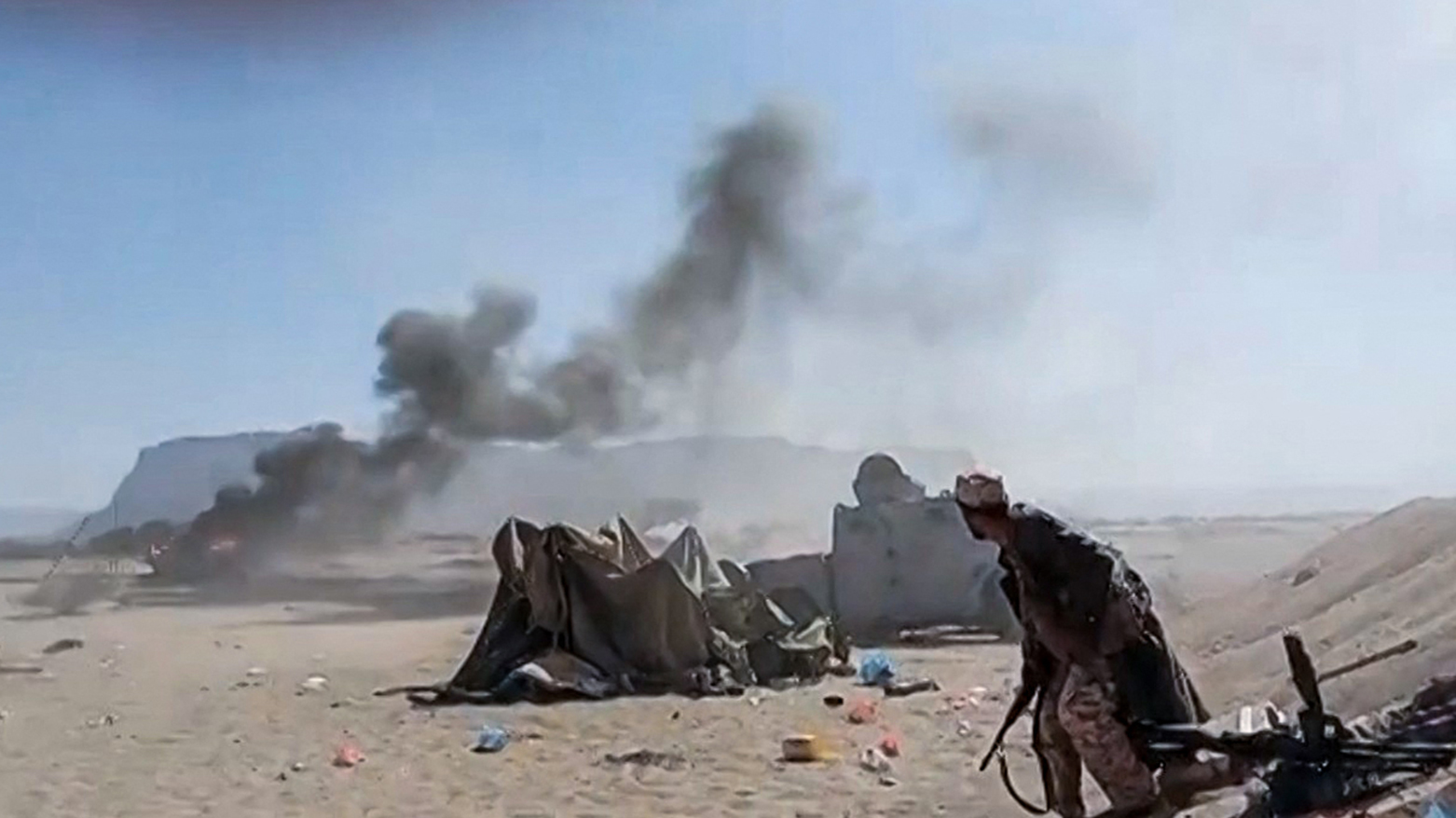
ERBIL (Kurdistan24) — At least 80 fighters from Yemen’s secessionist Southern Transitional Council (STC) have been killed in clashes and air strikes since Friday, as Saudi-backed forces launched a major operation to retake territory seized by the UAE-backed group in the country’s south, an STC military official said Sunday
The official told AFP that at least 152 STC members were wounded and around 130 captured, providing a preliminary casualty toll following the start of the Saudi-backed advance.
Most of the losses, he said, resulted from strikes by the Saudi-led coalition targeting military camps held by the separatists, including the Al-Khasha and Barshid camps in the resource-rich province of Hadramawt.
Yemen’s presidency announced on Saturday that Saudi-backed forces had retaken Hadramawt, citing what it described as a retreat by STC units.
Government-aligned military officials also said neighboring Mahra province had switched its allegiance back to Riyadh-backed authorities without resistance, reversing gains made by the STC during a December offensive.
By Sunday, Saudi-backed forces were consolidating their positions in Mukalla, the provincial capital of Hadramawt, according to two government military officials.
Rashad al-Alimi, head of Yemen’s Presidential Leadership Council, said Saudi-backed National Shield forces achieved “record success” in reclaiming all military and security positions in the province bordering Saudi Arabia.
The fighting has underscored long-standing tensions between Riyadh and Abu Dhabi, which have supported rival factions within Yemen’s fractured government despite being nominal allies.
The STC’s December move to seize control of Hadramawt and Mahra angered Saudi Arabia and brought strains between the two Gulf powers into the open.
The Saudi-led coalition has issued repeated warnings and carried out air strikes over the past week, including one targeting what it described as an Emirati arms shipment to the separatists.
On Friday, an air strike on the Al-Khasha camp killed at least 20 people, according to an earlier STC toll, while the group said Saudi warplanes conducted “intense” strikes on the Barshid camp west of Mukalla on Saturday.
Footage broadcast by the Aden Independent Channel showed one strike igniting a large fireball and sending thick black smoke into the sky. An AFP journalist reported hearing gunfire in Mukalla early Saturday, as residents described a breakdown in security and incidents of looting amid the fighting.
Hani Yousef, a resident of Mukalla, said he witnessed retreating STC forces using military vehicles to transport household items, including refrigerators and washing machines. In Seiyun, another key city in Hadramawt, residents reported hearing clashes as government forces took control of the airport and administrative buildings.
An STC military official acknowledged a withdrawal under pressure from Saudi air power, saying the group had carried out a “complete withdrawal” from areas around Al-Khasha but was still attempting to resist advances elsewhere.
As the military situation shifted, Saudi Arabia called for dialogue among southern Yemeni factions. In a statement posted on social media, the Saudi foreign ministry said Riyadh would host a conference to bring together southern groups to discuss what it called “just solutions to the southern cause,” adding that the invitation was issued by Yemen’s internationally recognized government.
Al-Alimi urged the STC to commit to dialogue and roll back unilateral measures, while the separatist council later said it welcomed talks addressing southern grievances. The United Arab Emirates also called on Yemenis to halt escalation and resolve differences through dialogue, with Qatar, Kuwait, Bahrain, and Egypt voicing similar support.
The STC has long pushed for independence for southern Yemen and on Friday announced the start of a two-year transitional period toward declaring a breakaway state, including plans for dialogue and a referendum.
STC president Aidaros al-Zubaidi warned, however, that the group could declare independence immediately if talks fail or if southern areas are attacked again.
The renewed infighting comes against the backdrop of Yemen’s decade-long war, which began in 2015 when a Saudi-led coalition intervened to dislodge Iran-backed Houthi rebels from the north.
While the Houthis remain entrenched, clashes between Saudi- and Emirati-backed factions in the south have added a new layer of instability to the conflict.