Syrian Democratic Council Says Factions Nominally Linked to Defense Ministry Besiege Kurdish Neighborhoods in Aleppo
The Syrian Democratic Council says Kurdish neighborhoods in Aleppo face a documented siege enforced by factions nominally linked to the Defense Ministry, causing fuel, food, electricity, healthcare, and education shortages affecting over half a million civilians.
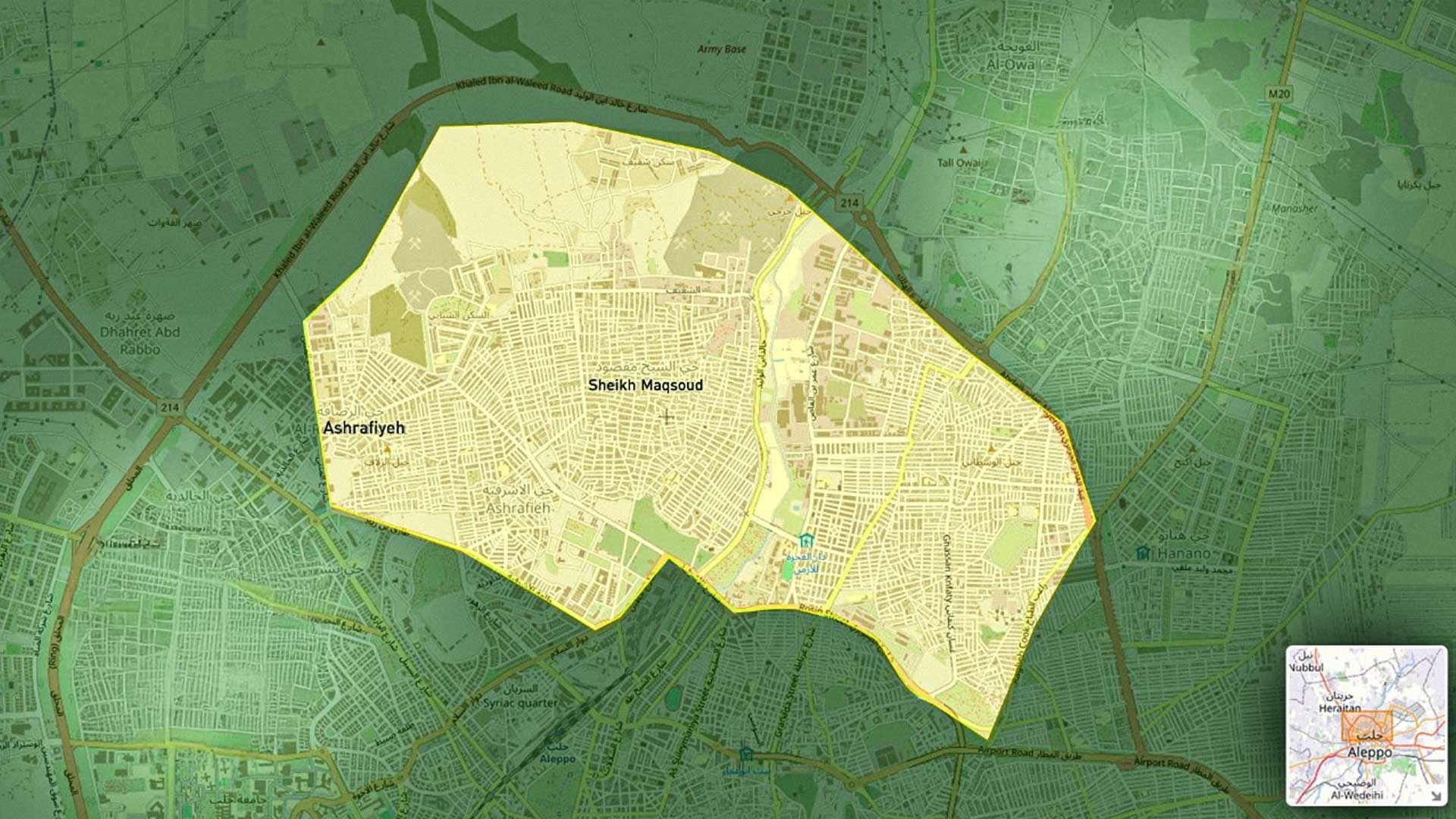
ERBIL (Kurdistan24) - Behind concrete barriers and tightened checkpoints in Aleppo, daily life in the Kurdish neighborhoods of Sheikh Maqsoud and Ashrafiyeh has narrowed to survival, as residents endure shortages, closures, and mounting pressure under what the Syrian Democratic Council (SDC) describes as an imposed siege.
In an interview with Kurdistan24, Mohammad Amin, an official in the Relations Office of the Syrian Democratic Council, said the humanitarian and living conditions in the neighborhoods of Sheikh Maqsoud and Ashrafiyeh have deteriorated sharply following recent military escalation, the latest of which occurred on 22-12.
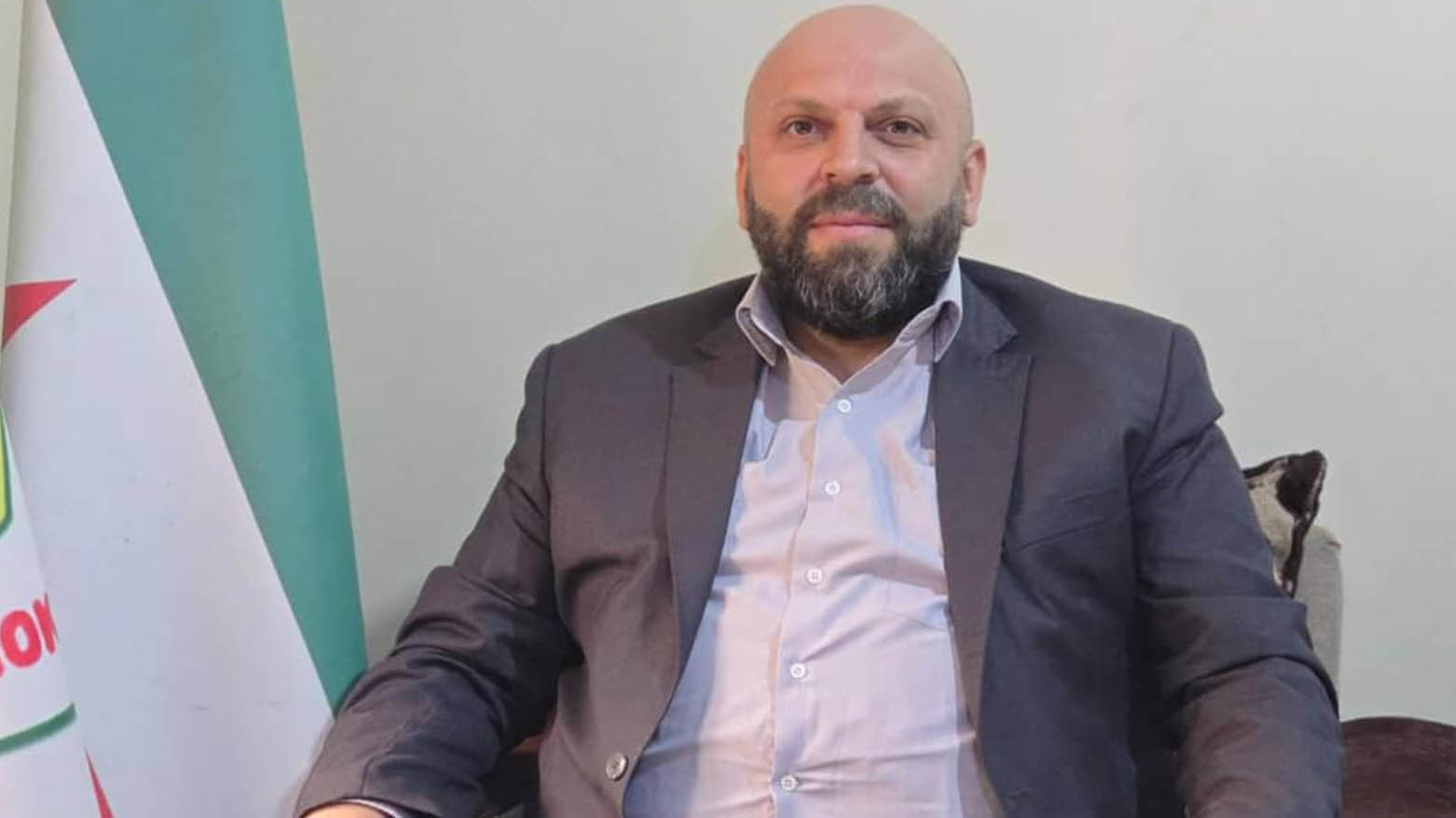
Amin said the situation is “very difficult” and “heartbreaking,” adding that residents have shown determination to preserve their lives, identity, and culture. He said Sheikh Maqsoud, Ashrafiyeh, and Bani Zaid are facing worsening living conditions under what he described as a documented siege. “These are factions nominally affiliated with the Ministry of Defense that are carrying out this escalation and enforcing the siege,” he said, noting that the situation has been documented through official statements from councils, health bodies, and civil society organizations.
He confirmed severe shortages of basic materials, including flour and yeast. According to Amin, there are thirteen bakeries in Sheikh Maqsoud and Ashrafiyeh, but a large number have stopped operating due to the lack of flour and depleted reserves. He added that diesel, gasoline, and fuel derivatives have had a major impact, saying that entry of fuel has not been permitted, “even two or five liters carried by an individual, let alone tanker trucks.”
Addressing checkpoints, Amin said General Security forces affiliated with the Ministry of Interior are present and performing their duties, but armed factions surrounding Sheikh Maqsoud and Ashrafiyeh, nominally under the Ministry of Defense, are preventing the entry of essential goods, including food. He said vehicles are allowed to enter only through the al-Awarid checkpoint, causing severe congestion extending toward al-Ziraa roundabout and al-Midan neighborhood, while other crossings remain closed.
He also reported daily harassment, including phone inspections, searches of women’s bags, and the detention of young men without clear charges. He said students have been detained over symbols or content on their mobile phones related to Kurdish culture, the Syrian Democratic Forces, or the Kurdistan Region, adding that identity itself has become a source of pressure.
He added that this situation continues and has contributed to school closures, as confirmed by an official statement from the education committee. He said that in winter conditions, with temperatures dropping, more than 25,000 students have been deprived of education, describing the situation as collective punishment that harms children’s right to learn and live with dignity.
Regarding the healthcare crisis, he stated that the hospital is facing a critical shortage of essential supplies, including ICU oxygen, fuel, medications, and emergency medical equipment. Furthermore, the entire region has been without power for over 28 days following a cutoff by the Aleppo Electricity Directorate, an outage that persists despite local efforts to restore service.
He noted more than half a million people live in Sheikh Maqsoud and Ashrafiyeh, all Syrian citizens, but current policies are having a deeply negative impact on civilian life. Gas cylinders and construction materials, he said, are completely banned from entering the neighborhoods.
Kurdistan24 also spoke with a resident of the Kurdish neighborhoods in Aleppo who requested anonymity. The resident said families are living under harsh conditions due to the siege, which he said continues despite the fall of the former regime. He said the ban on flour and yeast has led to bread shortages, fuel shortages have driven prices higher, schools are disrupted due to lack of heating and shelling, hospitals face shortages of medical supplies and fuel, gas shops have closed, electricity is cut, and residents face harassment, inspections, and detentions at checkpoints. He said four of five crossings are closed, leaving only one passage for entry and exit, and called for the lifting of the siege and the entry of essential materials, including flour, diesel, and gas.
In an interview with North Press, Nouri Sheikho, co-chair of the Council of Kurdish Neighborhoods in Aleppo, said the security situation in Sheikh Maqsoud and Ashrafiyeh remains unstable despite the halt of recent clashes. He warned that the security siege and pressure on residents continue. Sheikho said authorities have reinforced the military cordon from all directions, deploying ten military points equipped with heavy weapons at northern, eastern, southern, and western entrances, alongside intensified mobile patrols.
He said seven main crossings remain closed, while only three were opened after clashes stopped, deepening the siege. Sheikho reported daily harassment, including degrading searches, arbitrary arrests, and searches of women’s bags, describing the situation as “an open prison.” He said fears of renewed clashes persist due to the absence of official assurances or tangible solutions, adding that while communication channels with the Syrian government remain open, they have so far produced no practical results.
As restrictions tighten and shortages deepen, Kurdish neighborhoods in Aleppo face a prolonged crisis, with residents and local councils calling for urgent action to end the blockade and restore basic civilian life.