Shock and Awe in Caracas: U.S. Seizure of Maduro Splits the World
Washington’s dramatic military operation in Venezuela rattles allies, draws fierce global condemnation, and exposes deep international divisions over sovereignty and power.
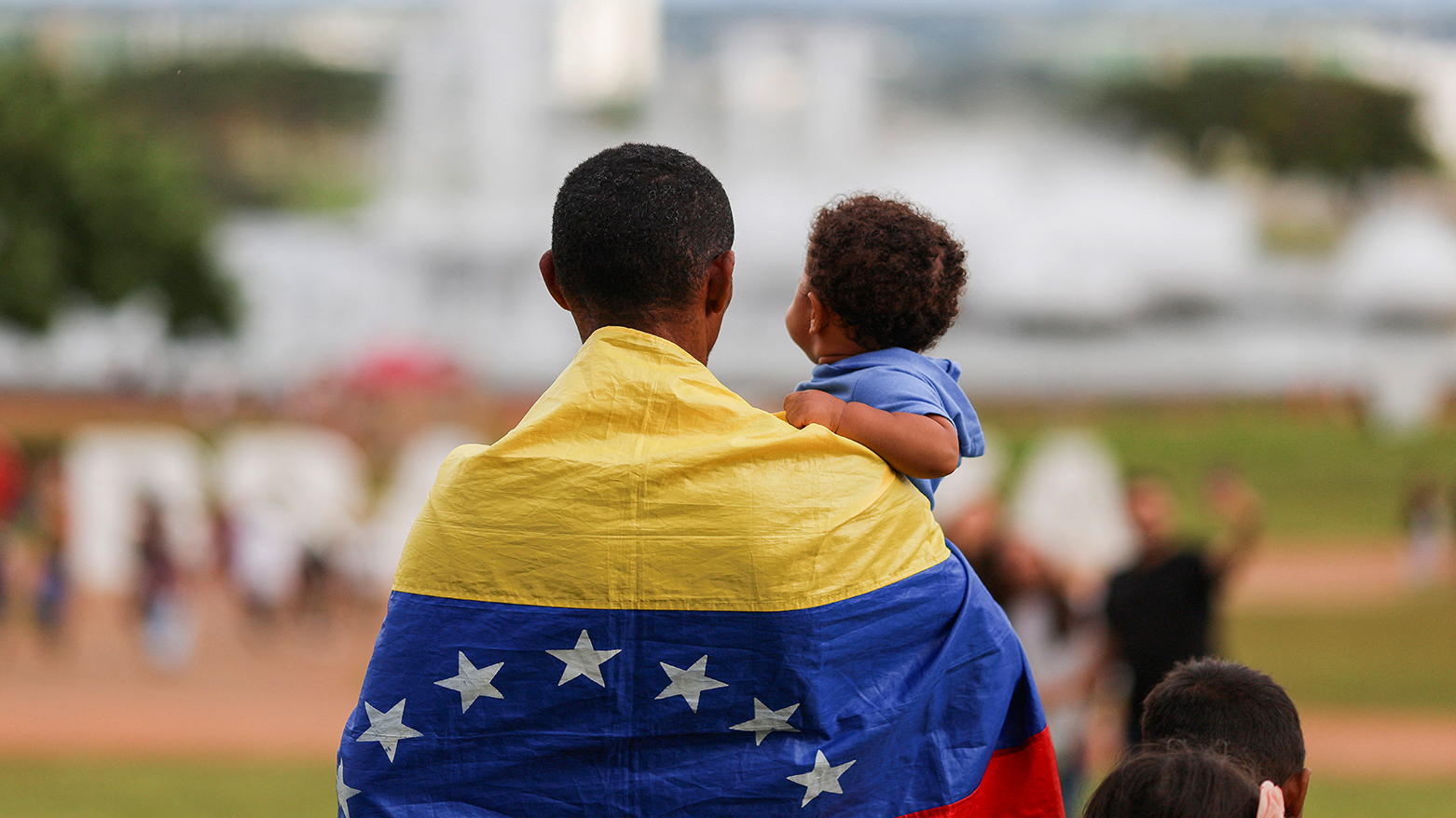
ERBIL (Kurdistan24) — The United States’ unprecedented military assault on Caracas to seize Venezuelan President Nicolas Maduro has sent shockwaves through the international community, unsettling many of Washington’s allies while energizing supporters of U.S. President Donald Trump.
Trump said the United States would effectively “run” Venezuela and tap into its vast oil reserves following the operation. Maduro and his wife were flown to New York City, where they face U.S. charges related to drug trafficking and weapons offenses, according to American officials. The dramatic move marked one of the most forceful U.S. interventions in Latin America in decades.
Major global powers with longstanding ties to Caracas were swift to condemn the operation. China called for Maduro’s “immediate release,” describing the U.S. action as a clear violation of international law and the United Nations Charter.
Russia similarly demanded that Washington release what it called the “legally elected president of a sovereign country,” while North Korea denounced the capture as a serious encroachment on Venezuelan sovereignty.
Iran, itself targeted by U.S. strikes last year, said it “strongly condemns” the attack on Venezuela, calling it a flagrant violation of national sovereignty and territorial integrity.
Cuba echoed that sentiment, accusing Washington of “state terrorism” against the Venezuelan people.
Condemnation was not limited to U.S. adversaries. Several American partners in the Western Hemisphere and Europe voiced deep concern. Mexico warned that the intervention “seriously jeopardizes regional stability,” while Colombian President Gustavo Petro described it as an assault on Latin American sovereignty that could trigger a humanitarian crisis.
Spain said the operation violated international law and pushed the region toward “uncertainty and militarism.”
France’s Foreign Minister Jean-Noël Barrot said no solution to Venezuela’s crisis could be imposed from outside and that the U.S. action undermined international law. However, President Emmanuel Macron later struck a more nuanced tone, saying Venezuelans “can only rejoice” at Maduro’s overthrow, highlighting divisions even within European capitals.
At the European Union level, foreign policy chief Kaja Kallas urged restraint and respect for international law while emphasizing that Maduro “lacks legitimacy.” On Sunday, the EU issued a joint statement—signed by all member states except Hungary—stating that restoring democracy in Venezuela must come through respect for the will of its people.
Britain adopted a cautious but blunt stance. Prime Minister Keir Starmer said London would consult with Washington on the “evolving situation,” adding that the UK would “shed no tears” over the fall of Maduro’s government.
In contrast, a small number of U.S. allies offered open support. Italian Prime Minister Giorgia Meloni, a close political ally of Trump, described the U.S. military action as “legitimate” and “defensive,” arguing that Maduro’s removal opened a “new chapter” for Venezuela.
Israel also backed Washington, with Prime Minister Benjamin Netanyahu praising what he called America’s “strong action” to restore freedom and justice in the region.
Ukraine focused less on the legality of the operation and more on Maduro’s record, with Foreign Minister Andriy Sybiga underscoring Venezuela’s repression while expressing support for democracy and human rights.
South Africa, however, warned that unlawful and unilateral use of force undermines the stability of the international order and the principle of equality among nations.
International institutions also raised alarm. UN Secretary-General António Guterres said he was “deeply alarmed” by the U.S. strikes, warning they could set a dangerous precedent. Pope Leo XIV urged that the welfare of the Venezuelan people must prevail over all other considerations.
As Washington signals an assertive new posture in Latin America, the seizure of Maduro has laid bare sharp global divisions—between those who see the operation as a decisive blow against an illegitimate regime and those who fear it marks a troubling erosion of international law and state sovereignty.