U.S. Suspends Aid to Somalia After Reports of WFP Warehouse Seizure
State Department cites destruction of U.S.-funded food aid and demands accountability from the Somali government.
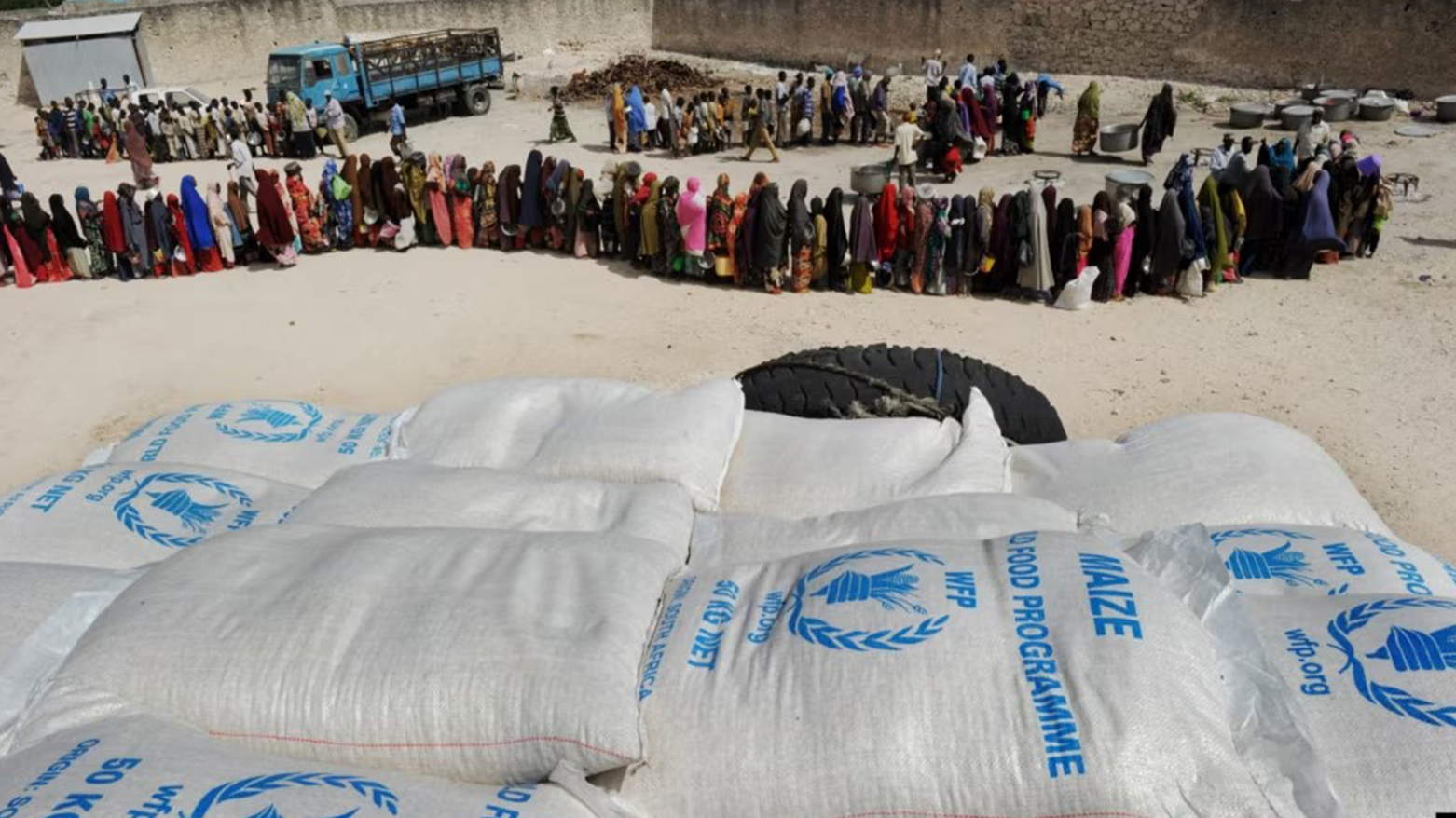
ERBIL (Kurdistan24) — The U.S. State Department has announced a suspension of all ongoing aid programs to the Somali Federal Government following reports that officials destroyed a U.S.-funded World Food Program (WFP) warehouse and seized 76 metric tons of donor-provided food intended for vulnerable Somali communities.
The announcement was made via the official X account of the Under Secretary for Foreign Assistance, Humanitarian Affairs, and Religious Freedom.
The post stated: “The U.S. is deeply concerned by reports that Federal Government of Somalia officials have destroyed a US-funded World Food Program (WFP) warehouse and illegally seized 76 metric tons of donor-funded food aid for vulnerable Somalis. The Trump Administration has a zero-tolerance policy for waste, theft, and diversion of life-saving assistance.”
According to the statement, all U.S. assistance programs benefiting the Somali Federal Government have been paused. Any resumption of aid will depend on Somalia taking full accountability for the reported actions and implementing appropriate remedial measures.
“The State Department has paused all ongoing U.S. assistance programs that benefit the Somali Federal Government. Any resumption of assistance will be dependent upon the Somali Federal Government taking accountability for its unacceptable actions and taking appropriate remedial steps,” the statement added.
The 🇺🇸 is deeply concerned by reports that Federal Government of Somalia officials have destroyed a US-funded World Food Programme (WFP) warehouse and illegally seized 76 metric tons of donor-funded food aid for vulnerable Somalis. The Trump Administration has a zero-tolerance… pic.twitter.com/fCDTCBegbt
— USForeignAssist (@USForeignAssist) January 7, 2026
The incident comes amid ongoing challenges in Somalia, where food insecurity remains a critical concern, and the WFP has relied heavily on international support to reach millions of vulnerable people.
U.S. officials emphasized that diversion or destruction of aid will not be tolerated under its foreign assistance policies.
The Somali Federal Government has not yet issued an immediate response to the allegations. International humanitarian groups are expected to monitor the situation closely, given its potential impact on aid delivery and the broader humanitarian crisis in the country.
The suspension of aid to Somalia comes against the backdrop of a wider shift in U.S. foreign policy under the Trump administration, which has increasingly prioritized accountability, national sovereignty, and direct oversight of international programs.
Simultaneously, Secretary of State Marco Rubio announced that the United States would withdraw from 66 international organizations following a review that deemed them “wasteful, ineffective, or contrary to American sovereignty and national interests.” According to Rubio, the decision reflects a broader strategy to limit U.S. participation in global institutions that have drifted from their original purpose of pragmatic cooperation.
The review, conducted under Executive Order 14199, found that many organizations—ranging from UN agencies to multilateral development and environmental bodies—were either poorly managed or advancing agendas misaligned with U.S. priorities, including initiatives on climate policy, gender equity, and diversity programs.
Analysts say the suspension of aid to Somalia illustrates how this approach is being applied in practice. By halting assistance until the Somali government addresses alleged misappropriation of donor-funded food aid, Washington is signaling that continued U.S. support is contingent upon transparency, accountability, and alignment with American objectives.
This mirrors the administration’s broader stance that taxpayer resources should not be diverted to institutions or governments that fail to uphold the intended purpose of U.S. programs. The move also underscores a preference for targeted, conditional engagement over blanket multilateral commitments.
While the United States maintains cooperation where it serves strategic or humanitarian goals, incidents such as the destruction of a World Food Program warehouse and the seizure of donor-funded aid in Somalia have prompted an immediate policy response, consistent with the administration’s zero-tolerance approach to waste, theft, and diversion of life-saving assistance.