Syrian Army Warns of Strikes on Kurdish Districts as Officials Reaffirm Commitment to Damascus Deals
Syria’s army warned it would strike Kurdish districts in Aleppo, while a senior Kurdish official said agreements with Damascus remain in place as local councils reject withdrawal and warn of a worsening humanitarian crisis.
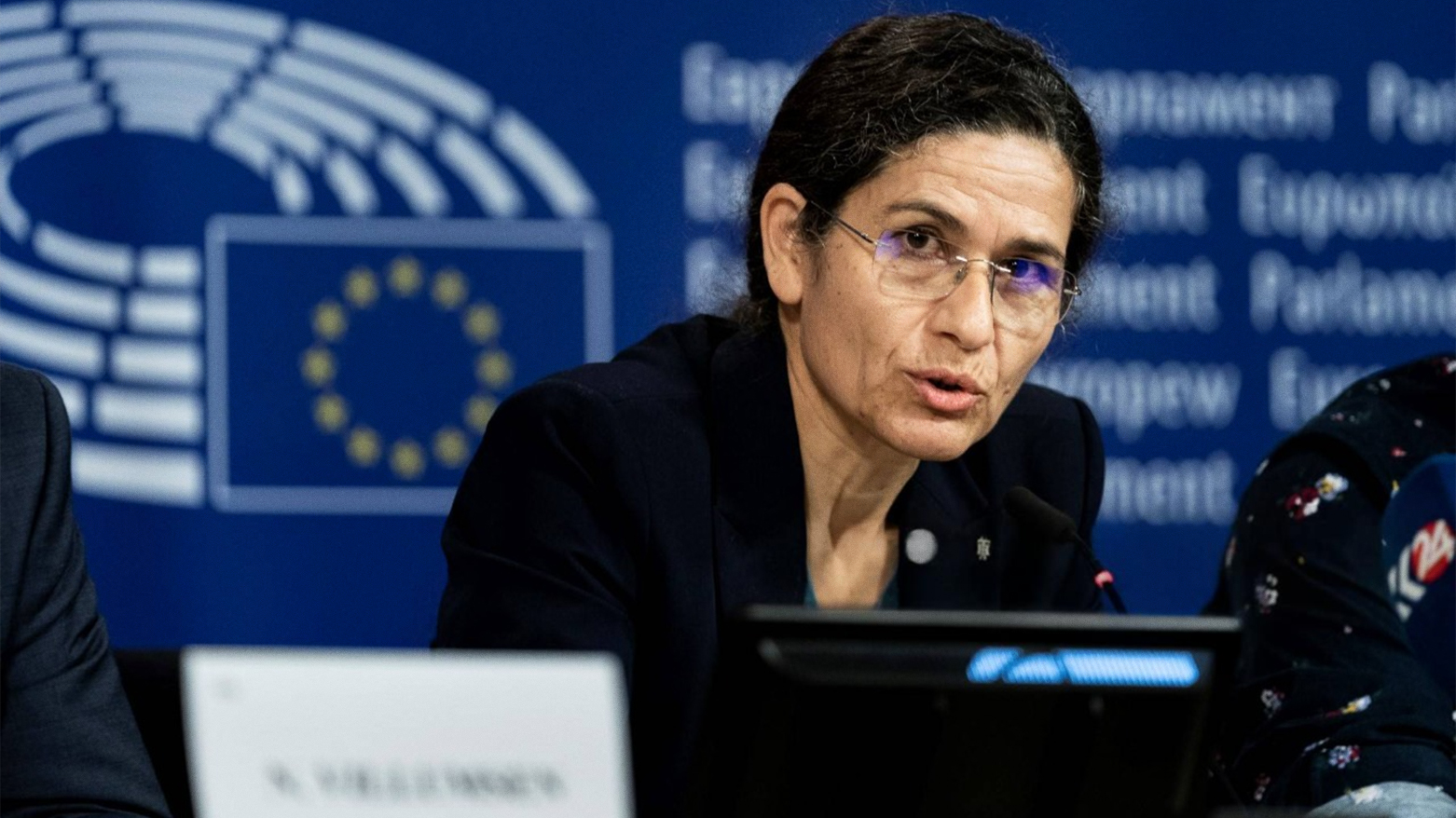
ERBIL (Kurdistan24) - As Syria’s state media warned of imminent strikes on Kurdish districts of Aleppo, a senior Kurdish official said Kurds remain committed to agreements reached with Damascus, even as violence intensifies and humanitarian conditions deteriorate in the city’s northern neighborhoods.
State media reported that the Syrian army warned it would strike Kurdish districts in the city of Aleppo, as clashes and bombardment continued in the area.
Against this backdrop, Ilham Ahmed, a senior official in the Kurdish administration in northeast Syria, said Syria’s Kurds remain committed to agreements reached with the government despite days of violence in Aleppo.
Ahmed accused Syria’s authorities of “choosing the path of war” by attacking Kurdish districts in the city. “With these attacks, the government side is seeking to put an end to the agreements that have been reached. We are committed to them and we are seeking to implement them,” the official said.
The local council of Sheikh Maqsud and Ashrafiyeh announced its rejection of withdrawal from Aleppo and said it remains committed to resistance and the defense of its neighborhoods.
According to the council, the neighborhoods of Sheikh Maqsud and Ashrafiyeh in Aleppo have been under intense attacks and heavy-weapon bombardment since Jan. 6, 2026. The council said the strikes targeted civilian centers, creating a severe humanitarian risk and were viewed as aimed at altering the demographic composition of the area.
In an official statement, the council said Syrian Arab Army forces, with direct support from the Turkish state and armed groups, shelled mosques, schools, homes, and hospitals. The council said the attacks were an attempt to forcibly displace residents who have lived in the neighborhoods for hundreds of years, describing this as a violation of all agreements reached on April 1 and previous understandings.
Humanitarian conditions have sharply deteriorated, according to the council. Khaled Fajr Hospital, the only medical facility serving the area, has completely ceased operations due to the shelling. The council said dozens of civilians, most of them women and children, were wounded, with no remaining treatment options inside the neighborhoods. It added that a prolonged siege and the arrival of winter have further deepened the crisis and obstructed the delivery of humanitarian aid.
The council criticized the silence of international forces and the guarantor parties to the March 10 and April 1 agreements. It said demands by attacking forces for surrender and evacuation were firmly rejected, stressing that, as the local administration, it has decided to remain and defend the neighborhoods and is not prepared to hand them over to any other party.
In its concluding remarks, the council issued an urgent call to residents to care for the wounded and gather near Khaled Fajr Hospital. It also called for general readiness and cooperation to protect the neighborhoods from threats described as resembling acts committed against other religious components in Syria.
The neighborhoods of Sheikh Maqsud and Ashrafiyeh in Aleppo had previously been known as stable and protected areas for civilians. The attacks in early 2026 were described by the council as a dangerous turning point aimed at undermining that stability and altering the demography of Kurdish areas within the city of Aleppo.
As warnings of strikes, active bombardment, and humanitarian strain converge in Aleppo, Kurdish officials say their commitment to agreements with Damascus remains unchanged despite the escalating violence.