Legacy of ISIS Explosives Persists in Iraq as Blast Remnants Kill and Injure 11 in One Week
ISIS remnants in Mosul and Anbar killed or injured 11 people in one week, exposing gaps in demining efforts despite government goals to clear Iraq by 2028.
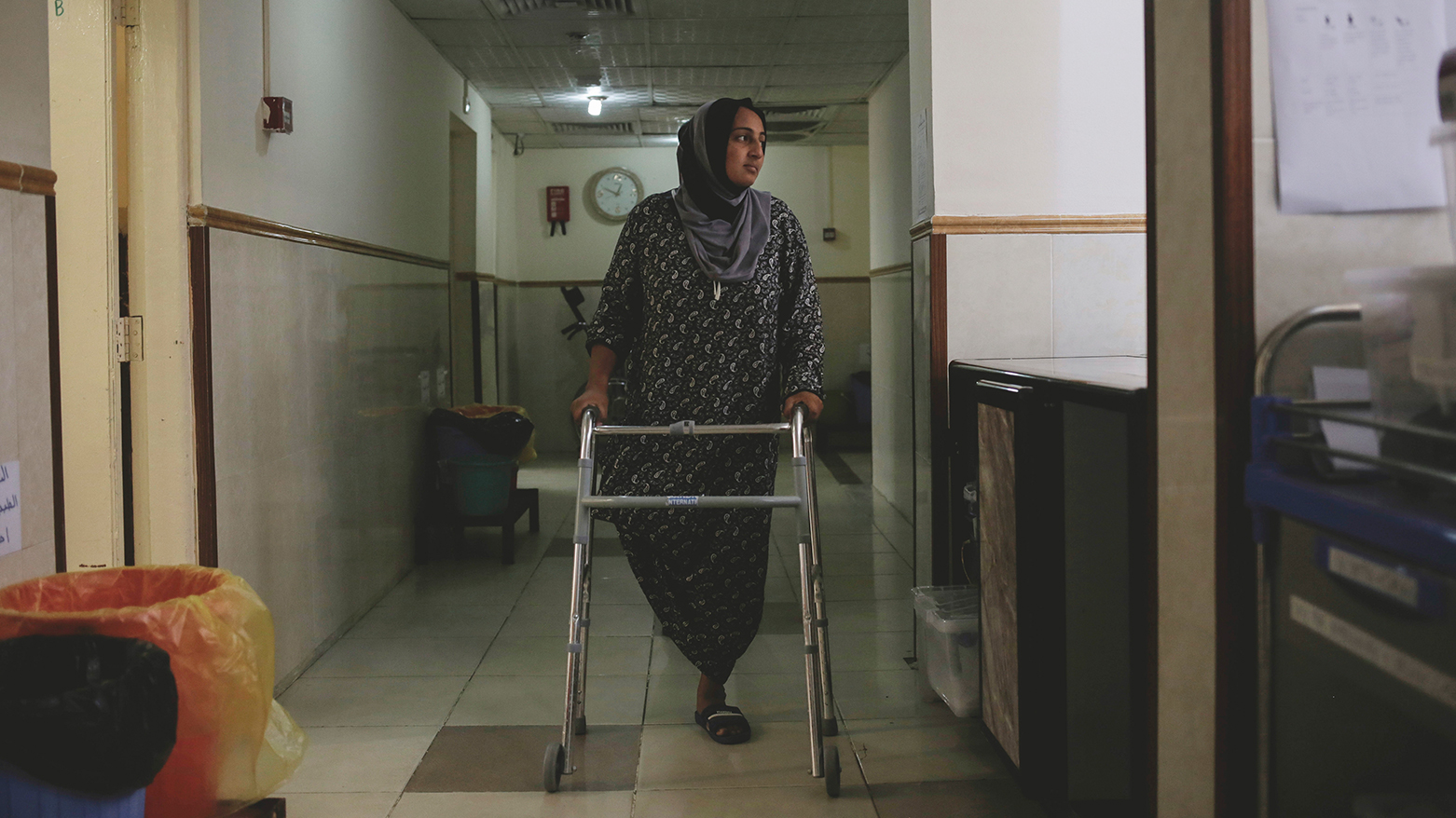
ERBIL (Kurdistan24) – Explosives and mines planted by the ISIS organization in the governorates of Mosul and Anbar have resulted in the death or injury of 11 individuals within a single week, local sources reported. The surge in casualties highlights the enduring lethality of munitions left behind years after the conclusion of major combat operations in these territories.
The incidents occurred in separate locations across two provinces, underscoring the widespread nature of the contamination. According to local Iraqi sources, a bomb remnant exploded last Sunday near the Ayaziyah sub-district within the Mosul Governorate.
The blast resulted in the deaths of two youths and left three others injured. In a separate incident reported last week near the Tal Abta sub-district, also in the Mosul Governorate, a mine explosion claimed the life of a shepherd.
Mohammed Jassim, the Head of the Security Committee of Mosul Governorate, addressed the frequency of these casualties, indicating that the threat is constant rather than sporadic.
"These incidents occur daily in our governorate as a result of all the dangerous war remnants left behind in those areas," Jassim stated.
Violence attributed to unexploded ordnance also struck the Saada area of the Anbar Governorate. An improvised explosive device (IED) detonated near a group of youths, killing one person and injuring three others.
Turki Mohammed, the Mayor of the Qaim District, explained that the victims were on a casual outing when the device detonated.
"Those youths were on a normal outing when the bomb exploded on them; they were unaware of the mines and explosives that had been planted in this area since the era of ISIS rule," Mohammed said.
In a press statement, the mayor confirmed that the injured individuals were transferred to a hospital for treatment and that their health condition is currently stable.
Mohammed emphasized that the location of the incident, the Saada area, remains among the territories that have not yet been cleared of mines and explosives.
He urged citizens to adhere strictly to security guidelines and to avoid entering zones that have not yet been declared safe by expert demining teams.
The string of accidents has drawn sharp criticism regarding the pace and effectiveness of demining efforts in the post-conflict phase.
An Iraqi environmental activist stated that the killing and injury of such a large number of people in a short period "exposes a clear weakness in the clearance measures of liberated areas," specifically noting the vulnerability of rural and desert regions.
The activist pointed out that the victims are most often shepherds and livestock owners who inadvertently enter contaminated land due to the "lack of clear warning signs and the scarcity of social awareness campaigns."
The activist argued that the issue of war remnants should not be viewed merely as a technical file but primarily as a "human rights file," asserting that the continued casualties signify a "failure of the government's plan to protect their lives."
Previously, the Iraqi Ministry of Environment announced a comprehensive national plan aimed at eradicating the problem of mines and leftover explosives.
The Ministry emphasized that under this strategy, the file must be resolved by 2028, at which point all areas of the country are scheduled to be cleared of war remnants.
However, the report notes that the continuation of explosions and the high number of recent casualties cast "significant doubt" on the Iraqi government's ability to swiftly implement that plan and control the danger.
The continued existence of vast areas of Iraqi land still contaminated with mines and war remnants remains a serious and constant threat to the lives of civilian citizens.