Elham Ahmad Calls for International Inquiry Into Detentions in Aleppo
Elham Ahmad called for an international investigation into alleged war crimes in Aleppo, while monitors reported over 300 civilian detentions and missing women and children in Sheikh Maqsud.
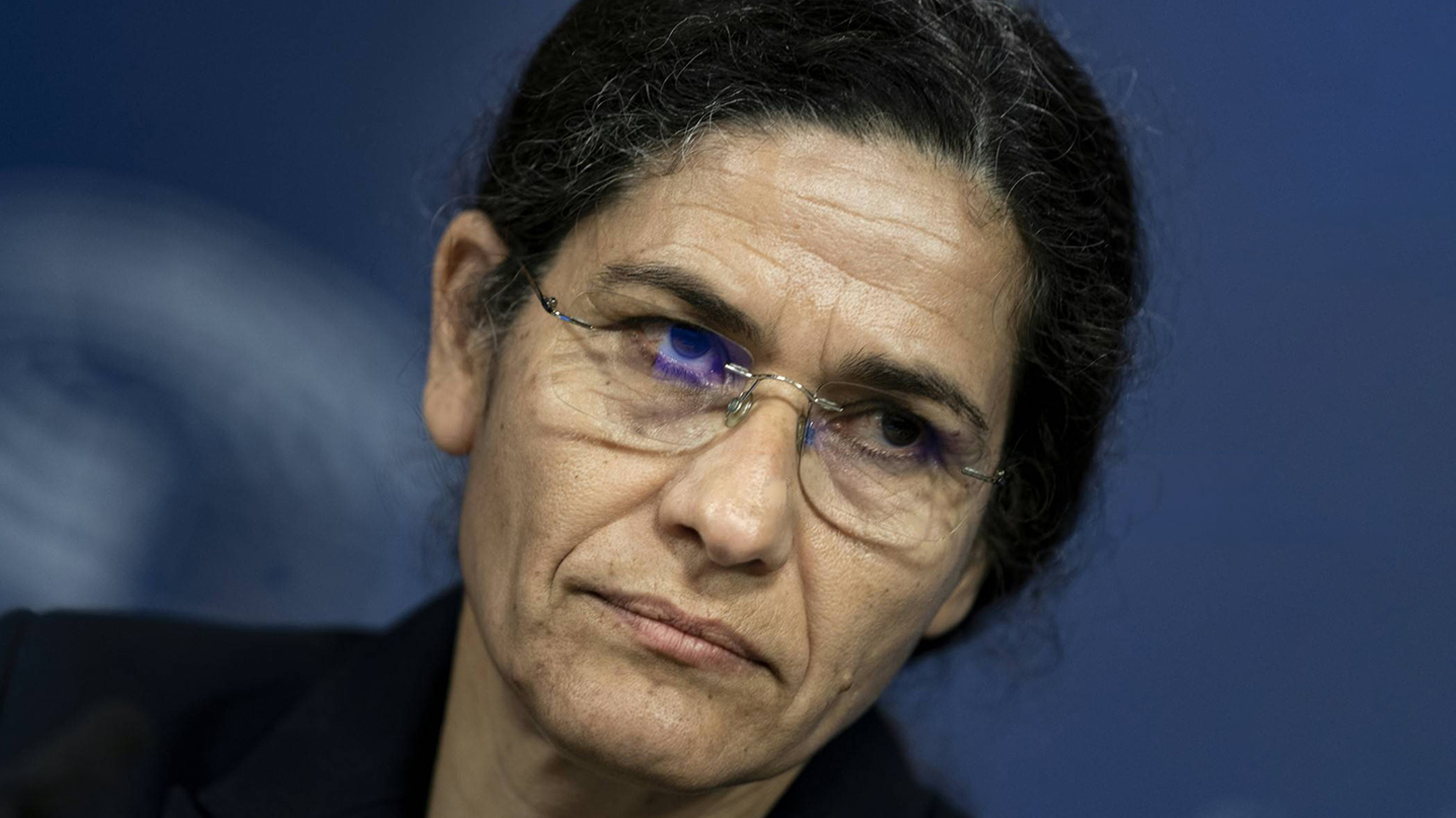
ERBIL (Kurdistan24) – Elham Ahmad, the Co-chair of the Department of Foreign Relations of the Democratic Autonomous Administration of the North and East Syria Region, appealed on Monday for immediate intervention by international human rights organizations to investigate allegations of war crimes and mass abductions in the Aleppo neighborhoods of Sheikh Maqsud and Ashrafiyeh.
The call for a global inquiry comes amid reports from monitoring groups detailing the detention of hundreds of civilians and the disappearance of women and children following the entry of opposition forces into the districts.
In a statement released on Monday, Jan. 12, 2026, Ahmad characterized the recent actions taken against the Kurdish population in Aleppo as severe violations of international law.
She specifically cited reports of "kidnapping youths and liquidating them, stealing and looting civilian property, and mutilating the bodies of victims, both fighters and civilians." Based on these reports, the foreign relations official asserted that the "crimes and violations being committed against the Kurds in the Sheikh Maqsud and Ashrafiyeh neighborhoods amount to war crimes."
Ahmad directed her appeal to major global bodies, explicitly naming Amnesty International and other human rights organizations. She urged these entities to "intervene quickly to follow up on the file of the abducted persons and open an investigation regarding what took place in the events of the two neighborhoods."
The official emphasized that the governance structure of a state does not grant immunity for such actions. "Restricting weapons to the hands of the state does not give it the right to practice violence and intimidation against the people and society, and to violate norms and human rights laws," she stated.
Beyond the physical violence, Ahmad addressed the role of media in exacerbating the conflict. She called upon the entities that fund certain Arab satellite channels to review their editorial policies regarding the Syrian file.
She accused these outlets of "distortion and misrepresentation of facts" and inciting Syrians against one another by calling for the killing of specific components of the population.
Ahmad demanded an investigation into the reports presented by these channels, suggesting they are complicit in fueling sectarian and ethnic tensions.
The urgency of Ahmad’s appeal coincides with data released by the Syrian Observatory for Human Rights (SOHR), which has documented a deteriorating security situation for civilians in the contested neighborhoods.
According to the Observatory, forces affiliated with the "Interim Government" have detained more than 300 civilians in Sheikh Maqsud since establishing control over the area.
SOHR reported that these detainees are being held under "severe conditions" and that their dignity has been systematically violated.
The monitoring group provided details regarding the conduct of the armed groups operating in the area. SOHR noted that gunmen affiliated with the Interim Government are approaching civilians in a "very bad manner," inflicting severe and racist insults upon Kurdish residents in an apparent attempt to humiliate them.
The report cited video clips circulated on social media that reportedly show civilians gathered against a wall, with their subsequent fate remaining unknown.
While the arrest campaigns initially focused on men following the takeover of the neighborhoods, the Observatory raised particular alarm regarding other demographics.
According to information obtained from the region, the fate of hundreds of women and children remains unknown. SOHR stated that dozens of people are currently listed as missing, creating a state of "great fear and terror" among their families.
The Syrian Observatory for Human Rights criticized the international community for its lack of response to these developments.
In its report, the group emphasized that these actions should not be viewed as isolated incidents of indiscipline by individual fighters. Instead, SOHR characterized the events as part of a deliberate "plan to intimidate civilians" and force a demographic change in the historically Kurdish districts of Aleppo.
The monitor criticized international institutions for remaining silent in the face of what it described as systematic violations.
The convergence of statements from the Autonomous Administration and reports from independent monitors highlights a deepening humanitarian crisis.
Ahmad’s demand for an investigation seeks to bring transparency to the fate of the missing and to hold perpetrators accountable for the alleged looting, mutilation, and abductions.
However, as the armed groups continue to consolidate control over Sheikh Maqsud and Ashrafiyeh, the lack of immediate international oversight remains a primary concern for local officials and human rights advocates alike.