Heavy Snowfall Brings Hope for Water Reserves and Spring Harvests in Kurdistan's Rural Areas
Girtk villagers endure heavy snow to sustain livestock, relying on government support and fodder stocks, with experts hopeful for improved water reserves and a productive spring.
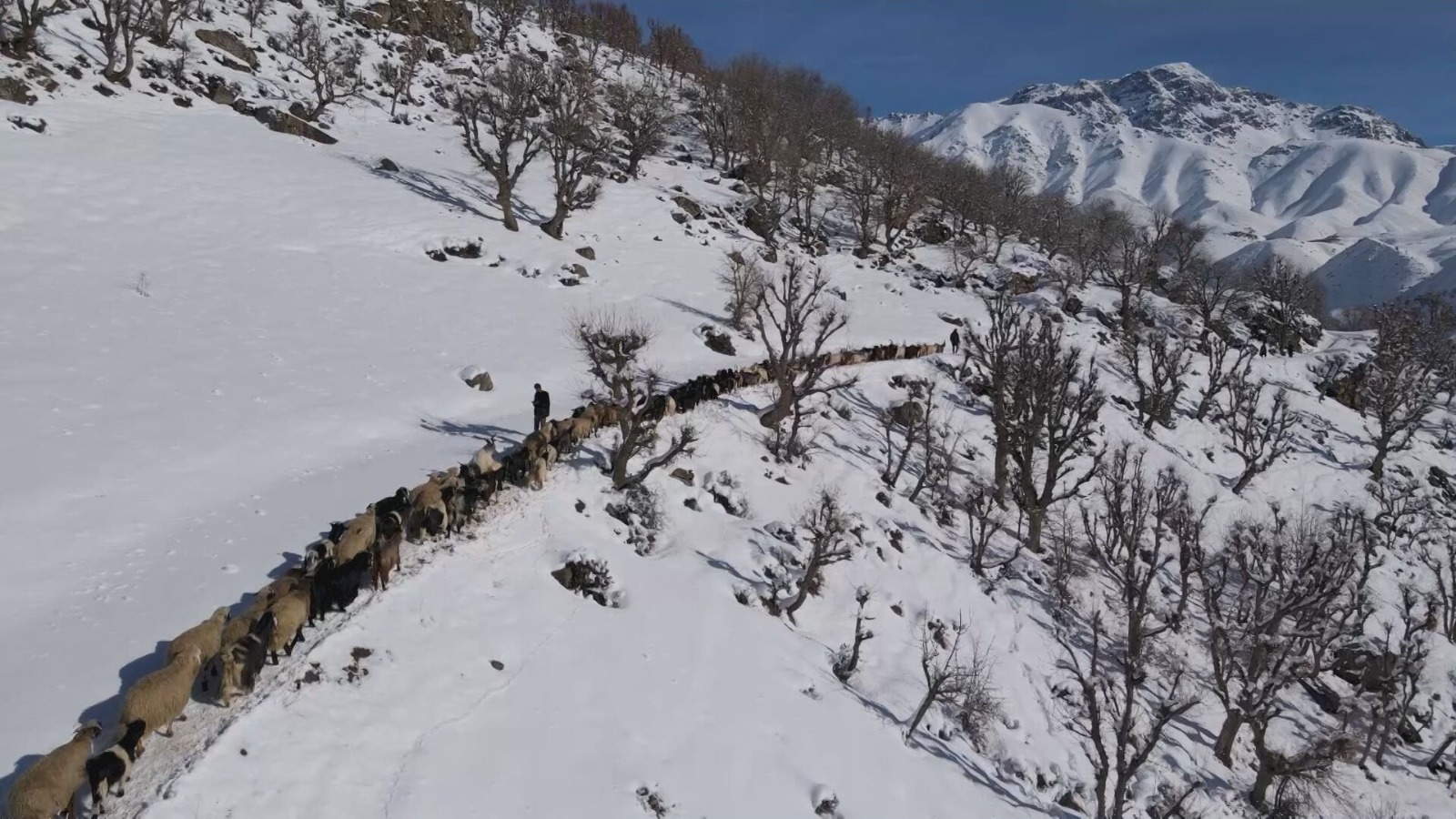
ERBIL (Kurdistan24) – The village of Girtk, in the Balakayati area of the Kurdistan Region, is experiencing its heaviest winter snowfall in recent years, transforming its mountains and valleys into a dense white landscape, according to a report by Kurdistan24.
While the snow creates a striking visual tableau, it also presents substantial challenges for the village’s shepherds and livestock breeders.
Residents in Girtk, a community heavily reliant on sheep and livestock farming, must traverse significant distances on foot to care for their animals.
The snow accumulation is considerable, with some areas making movement difficult or even hazardous.
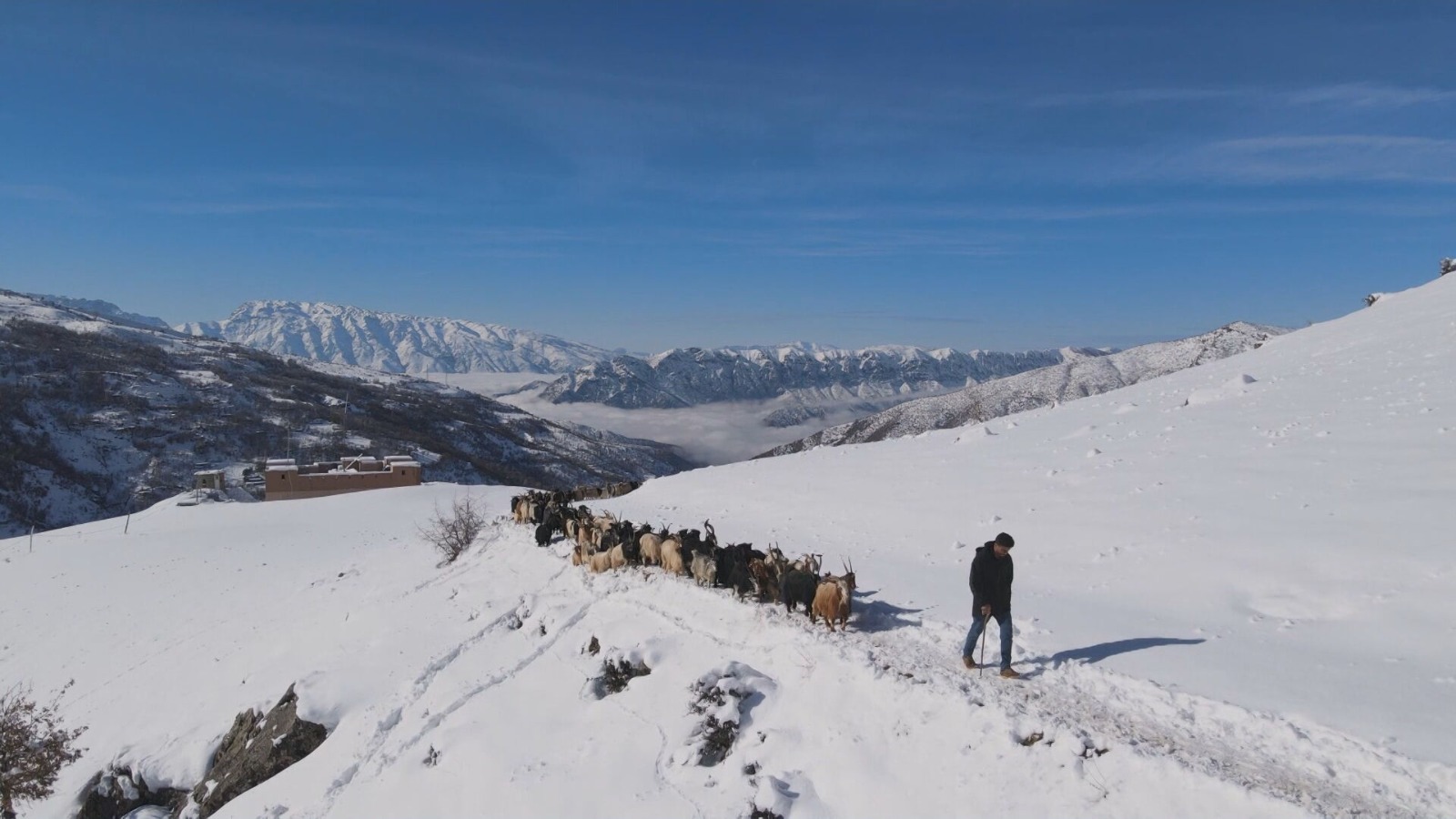
Abdullah Anwar, a local livestock breeder, told Kurdistan24, “Work in these days is much harder than on normal days. In normal circumstances, one person can manage the flock, whereas now we need three or four people to secure the movement of the livestock and feed them.”
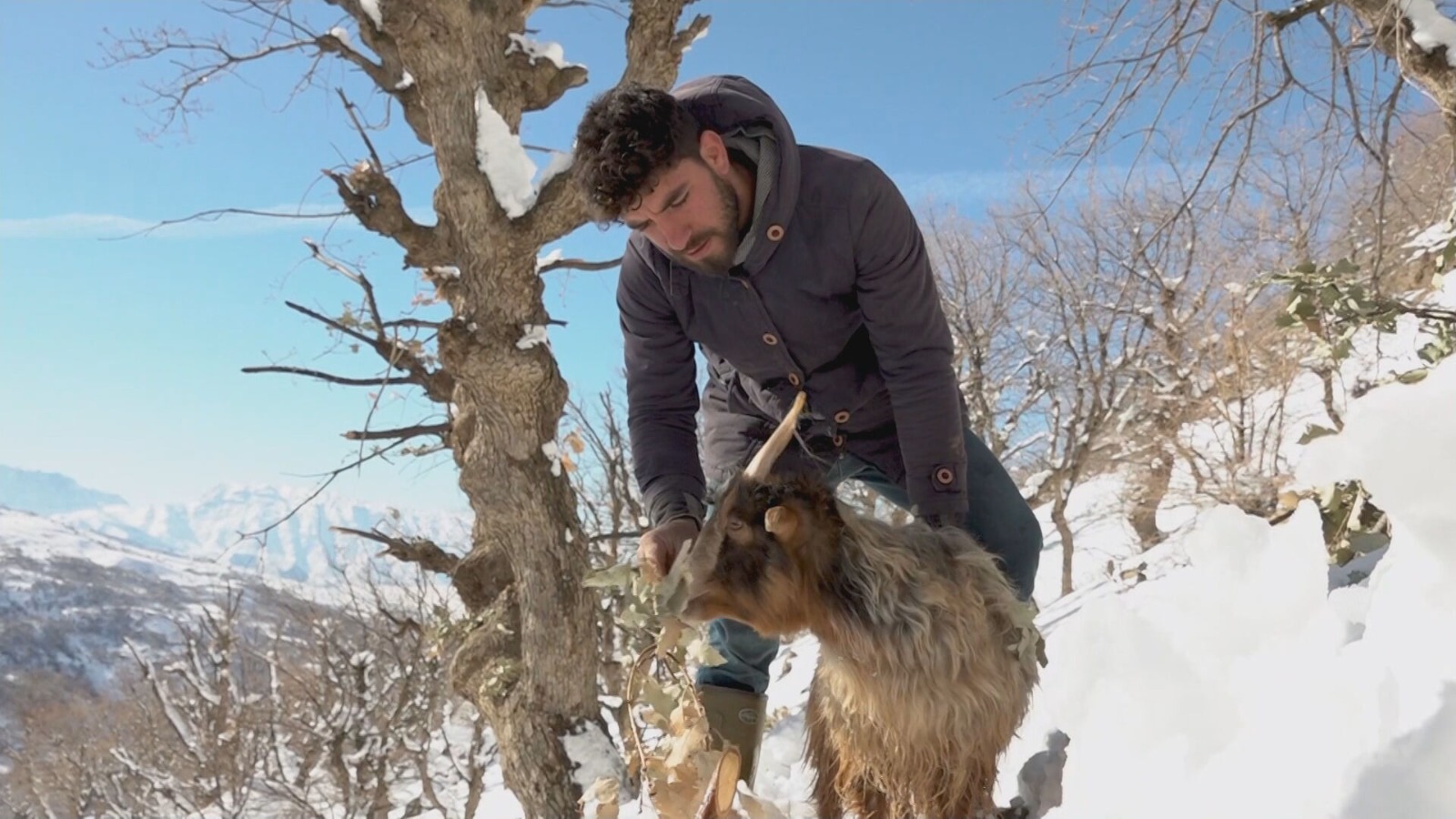
To sustain their herds, villagers are using a stockpile of branches and fodder gathered and dried during the summer months.
These resources are distributed manually through deep snow, requiring additional labor and coordination. Such practices highlight the community’s reliance on both preparation and resilience in facing seasonal extremes.
The village’s chief (mukhtar), Farhad Tayeb, noted that services and infrastructure support have improved compared to previous years.
“Thanks to God, the situation this year is better. The government has provided good facilities by opening roads and securing basic needs, which encouraged the residents to stay and practice the profession of livestock breeding; even those who work as employees in the cities return to their village in these seasons due to their bond with the land and the place,” he said.
Tayeb’s comments underscore the importance of government assistance in maintaining rural livelihoods during periods of severe weather.
The heavy snowfall in Girtk is part of a broader polar depression affecting the Kurdistan Region, which has brought snow to mountainous and border areas and heavy rainfall to city centers.
According to the Directorate of Meteorology and Seismology, temperatures in some highland areas, including Choman and Penjwen, have dropped to as low as minus ten degrees Celsius.
Civil Defense teams and snowplows have been mobilized to clear strategic roads, and citizens have been warned against unnecessary travel in high-altitude regions.
Despite these immediate challenges, agricultural experts cited in the Kurdistan24 report expressed optimism regarding the impact of this winter wave.
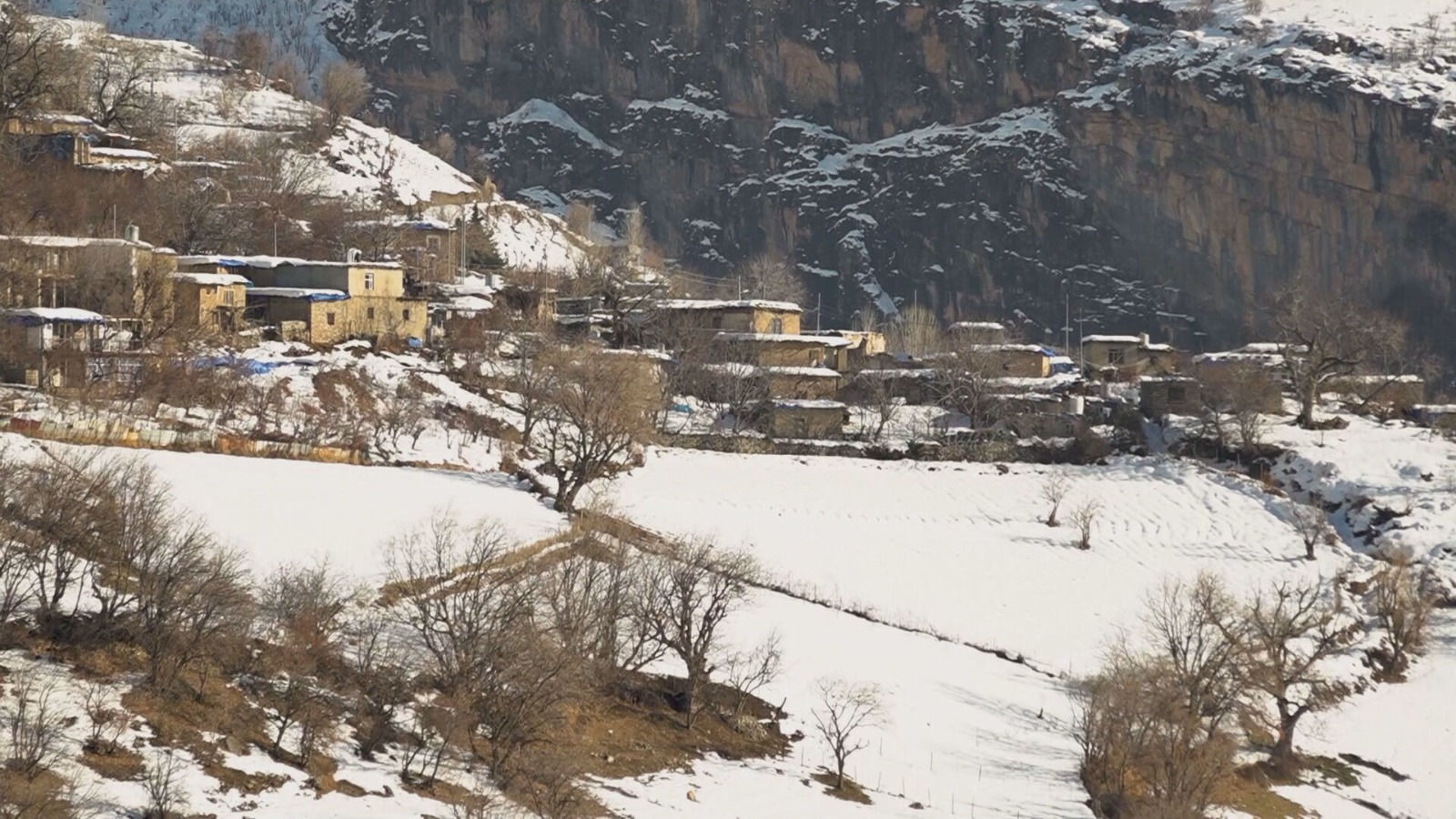
The heavy precipitation is expected to increase groundwater reserves and raise the water levels of major dams, including Dukan and Darbandikhan. Experts suggest that this could lead to a productive spring agricultural season, providing relief after years of drought.
Local shepherds and livestock breeders maintain a cautious optimism, balancing the demands of their work under challenging conditions with the potential benefits that the snow may bring to the broader agricultural cycle.
The combination of government support, community preparedness, and environmental conditions illustrates the complex interplay between seasonal extremes and rural livelihoods in Girtk.
The report emphasizes the dedication of villagers who, despite harsh weather, continue to manage and protect their herds.
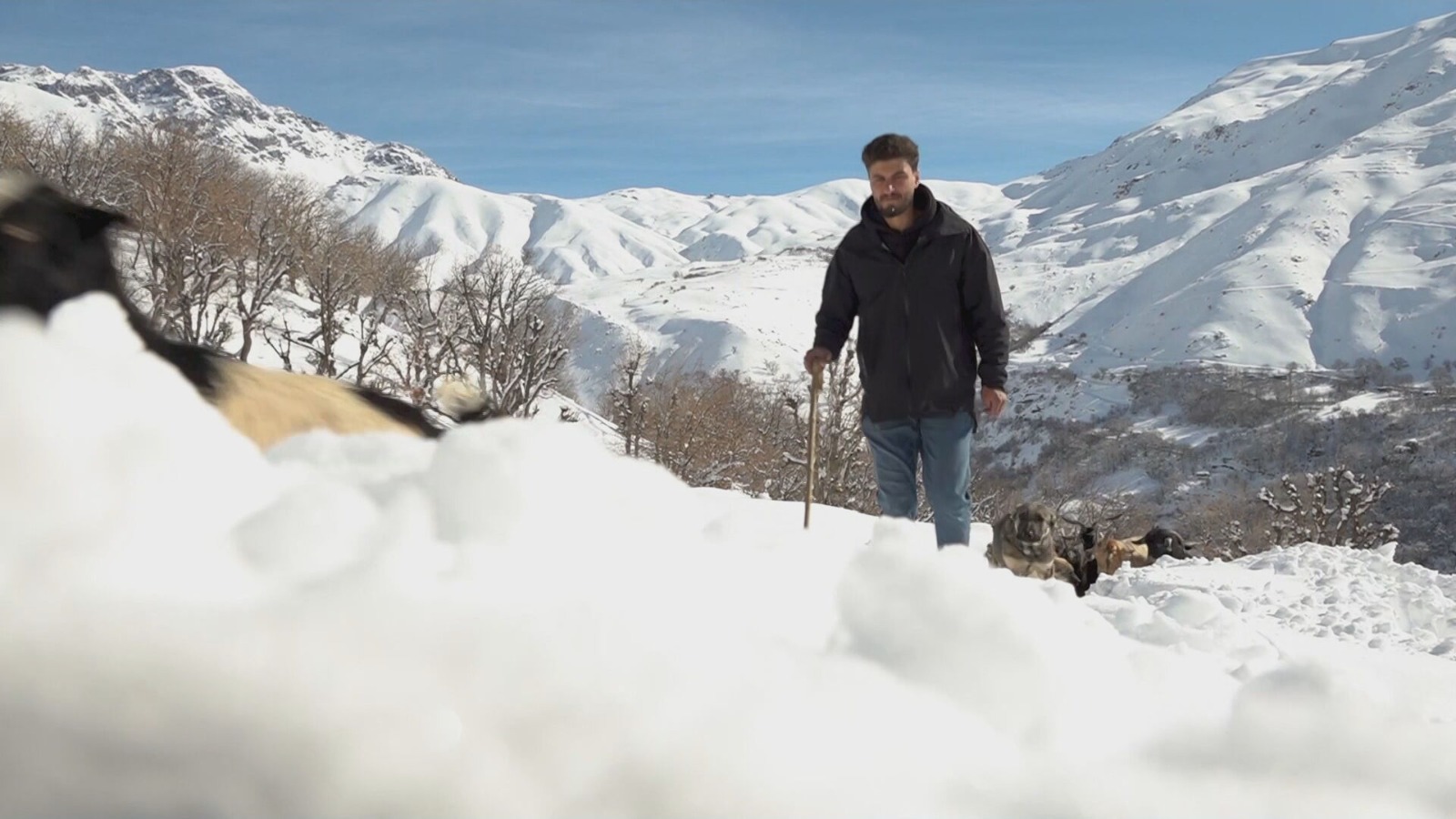
Their work involves coordinating the movement of livestock, distributing fodder manually, and navigating snow-covered terrain, reflecting a reliance on both human effort and long-term preparation.
Looking ahead, residents and agricultural authorities anticipate that the snowfall will contribute positively to water reserves and agricultural prospects in the region.
The increased level of snow and rainfall this year could replenish dams and groundwater, and will support planting and livestock feeding in the upcoming spring, fostering a hopeful outlook for the local economy and food security.