SDF says Damascus Violated Eastern Aleppo Agreement, Warns Situation is Dangerous
The SDF accused Damascus of violating an agreement by entering Deir Hafer and Maskanah before a full SDF withdrawal, warning the move created a dangerous security situation and urging international guarantors to intervene.
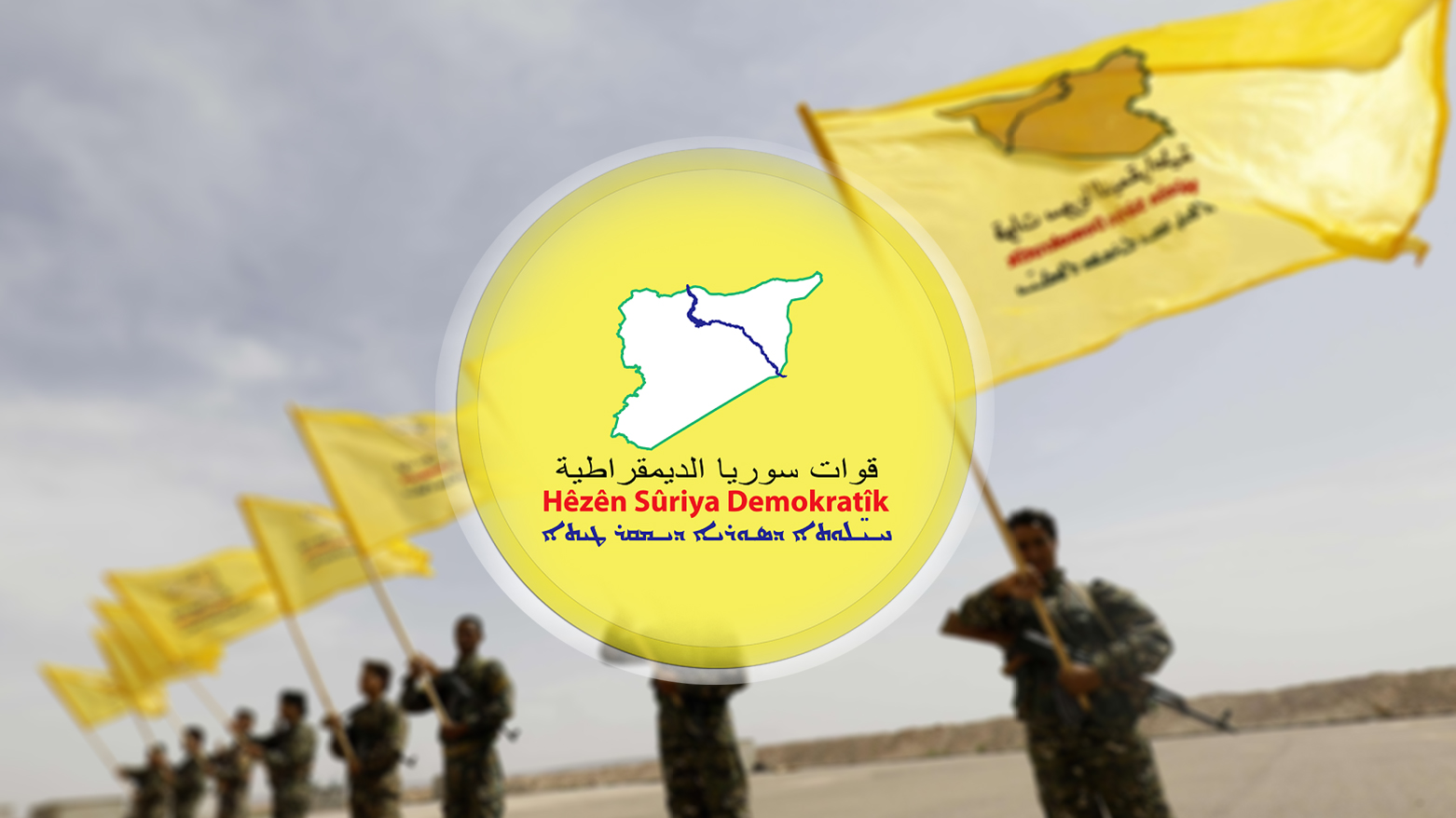
ERBIL (Kurdistan24) - As control shifts rapidly across eastern Aleppo, the Syrian Democratic Forces have accused Damascus of breaching an internationally monitored agreement, warning that premature military deployment has created a dangerous and volatile situation on the ground.
The Media Center of the Syrian Democratic Forces (SDF) said the Syrian government failed to adhere to the international agreement governing the handover of areas in eastern Aleppo, entering cities before the agreed conditions were met and creating what it described as a serious security risk.
In a statement issued on Saturday, the SDF said the agreement stipulated that its forces would fully withdraw from the cities of Deir Hafer and Maskanah before Syrian government forces entered. According to the statement, Damascus violated those terms by deploying troops into the cities in advance.
“Damascus did not wait for the complete withdrawal of our fighters and moved its forces directly into the cities,” the SDF said, warning that the move has created a highly dangerous situation that could lead to negative consequences.
The SDF called on the international parties that acted as guarantors and observers of the agreement to intervene immediately to prevent further escalation and compel Damascus to comply with the terms of the deal.
The statement came as the Syrian Democratic Forces confirmed their withdrawal from Deir Hafer in eastern Aleppo province, followed by the entry of Syrian Arab Army units into the city, according to information released earlier and statements carried by Syrian state media.
The Operations Body of the Syrian Arab Army issued a public call urging civilians not to enter designated military zones in the eastern Aleppo countryside until government forces complete security operations, including the removal of mines and remnants of war. The army said the measures were intended to ensure civilian safety and warned that premature movement could pose serious risks.
The withdrawal marked a significant shift in control in Deir Hafer, a city that had been at the center of intensified military activity in recent days. The brief announcement confirming the SDF’s withdrawal and the army’s entry did not provide operational details or timelines.
The development followed remarks made a day earlier by Mazloum Abdi, the general commander of the Syrian Democratic Forces, who announced that SDF units would withdraw from contact lines east of Aleppo as a goodwill gesture and in response to calls from mediators and friendly countries.
In a statement posted on his official X account, Abdi said the decision was linked to the SDF’s commitment to implementing the March 10 agreement and redeploying forces east of the Euphrates.
“Based on calls from friendly countries and mediators, and as a demonstration of our goodwill in completing the integration process and our commitment to implementing the provisions of the March 10 agreement, we have decided to withdraw our forces,” Abdi said, adding that the move would take place at 7:00 a.m. from the current contact areas east of Aleppo.
Abdi’s announcement came amid reports by the SDF Media Center of heavy and sustained artillery shelling on Deir Hafer over several days. In statements issued on Jan. 16, the SDF said more than twenty shells struck the city within one hour and warned that the use of heavy weapons posed a serious threat to civilian safety.
The Syrian Arab Army had earlier declared several SDF-held areas in the Aleppo countryside as closed military zones ahead of operations, according to Syrian state media.
The situation unfolded against a broader political backdrop that included recent statements by Syrian officials emphasizing national unity and Kurdish rights. Syrian Foreign Minister Asaad Shaibani issued a statement written in Kurdish describing Kurds as an “authentic pillar” of the Syrian nation, echoing a presidential decree issued by Interim President Ahmed al-Sharaa on Jan. 16 recognizing Kurdish identity, language, and citizenship rights.
While those political declarations addressed cultural and legal issues, developments on the ground in eastern Aleppo continued to be shaped primarily by military movements and security concerns.
The SDF said continued violations of the agreement risk deepening instability and called for urgent international intervention to prevent confrontation and further deterioration, as Deir Hafer joins a growing list of eastern Aleppo locations where control and security arrangements have shifted abruptly.