SDF Accuses Syrian Government of Violating Ceasefire with Deadly Tank Assault West of Raqqa
SDF says Syrian Arab Army killed fighters in a tank attack west of Raqqa on Saturday. The group claims the assault violated a 48-hour ceasefire meant for their withdrawal from Deir Hafer and Maskana.
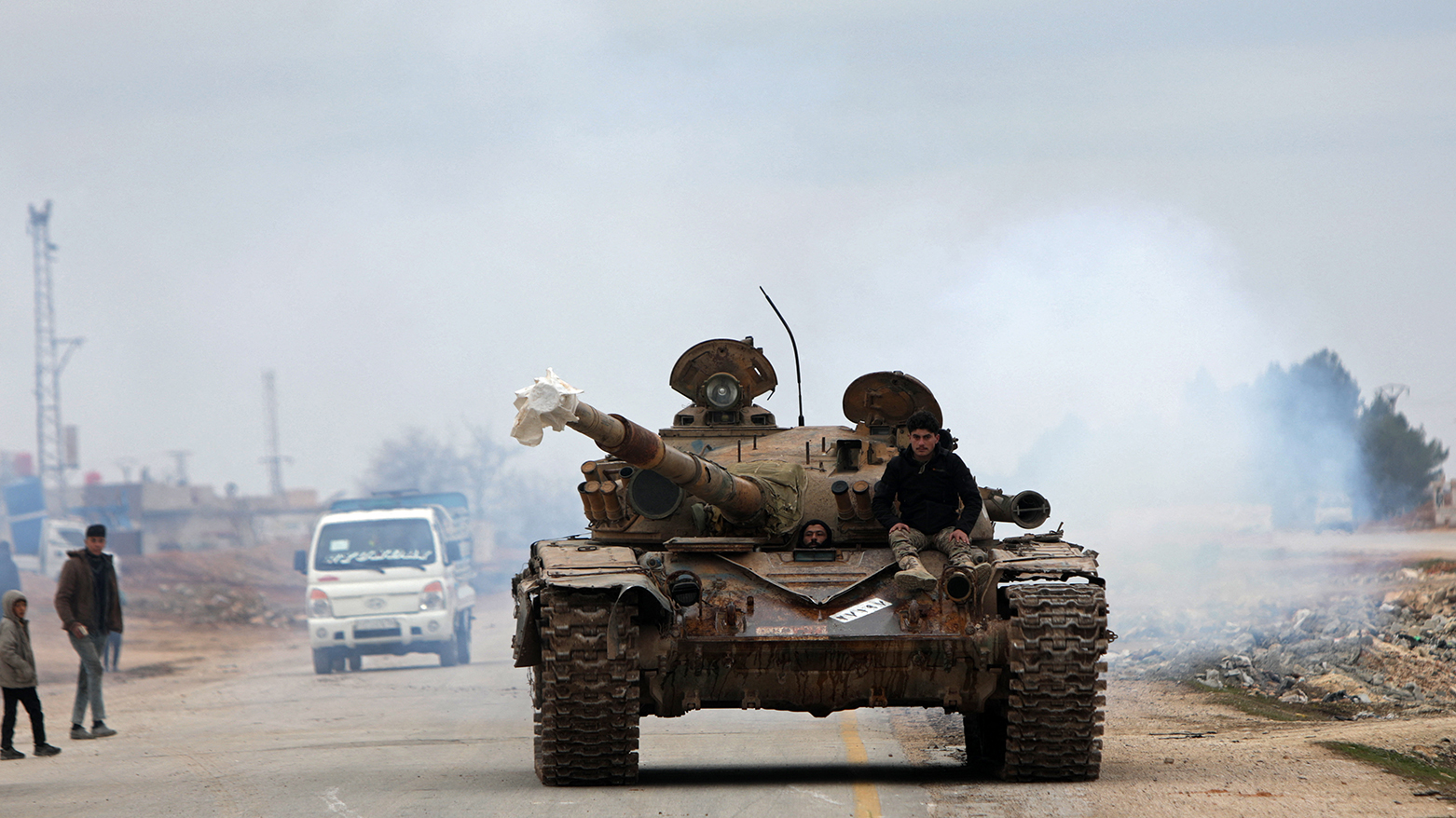
ERBIL (Kurdistan24) - The Syrian Democratic Forces (SDF) announced on Saturday that Syrian government troops launched a lethal offensive using heavy armor against their positions west of Raqqa, an escalation that Kurdish leadership asserts violates an internationally monitored withdrawal agreement.
The attack, which the SDF states resulted in the deaths of several fighters, comes less than a day after the group committed to redeploying its forces in an effort to de-escalate tensions in the region.
The SDF Media Center reported that the confrontation took place in the Dabsi Afnan area on Saturday. According to the statement issued by the group, forces loyal to the government in Damascus deployed tanks and other heavy weaponry to the sector, initiating hostilities that resulted in multiple casualties among the SDF ranks.
The Kurdish-led force characterized the maneuver as a stark breach of established protocols, citing the existence of a designated ceasefire window that was allegedly in effect at the time of the engagement.
Central to the SDF’s condemnation of the incident is the claim that a 48-hour grace period had been mutually established to facilitate a peaceful redeployment of troops from contested areas.
The statement from the SDF Media Center asserted that the attack was "unjust" specifically because it occurred before the expiration of this deadline. The agreement reportedly stipulated that SDF units were to withdraw from the areas of Deir Hafer and Maskana within that timeframe.
However, the SDF alleges that the Damascus government mobilized military convoys and tanks to the region and launched their offensive while the timeline for the withdrawal was still active, effectively targeting forces that were in the process of complying with the diplomatic arrangement.
The hostilities on Saturday stand in stark contrast to the diplomatic signaling provided by the SDF leadership just a day prior.
On Friday, Mazloum Abdi, the General Commander of the Syrian Democratic Forces, issued a public statement via his account on the social network X regarding the strategic posture of his forces.
General Abdi declared that the SDF had reached a "decisive decision" regarding the volatile field situation in eastern Aleppo. He announced that Kurdish forces would commence a withdrawal toward the east of the Euphrates river, a move intended to de-escalate tensions in the contested zones and facilitate stability.
In his statement on Friday, General Abdi framed the withdrawal as a concession made in consultation with international partners. He noted that the decision was made in response to requests from "friendly and mediating countries."
Furthermore, the General Commander emphasized that the redeployment was intended to demonstrate "goodwill" regarding the implementation of the clauses of the "March 10 agreement," a pact designed to regulate military posturing and political integration in the region.
The sudden outbreak of fighting in Dabsi Afnan has now cast doubt on the viability of this arrangement and the good faith of the Damascus government in adhering to the terms set forth by mediators.
The operational timeline provided by the SDF indicates that the withdrawal process was already underway when the violence erupted. The movement of forces toward the east of the Euphrates reportedly began at 7:00 a.m. on Saturday, Jan. 17.
The subsequent arrival of Syrian government tanks and the shelling of SDF positions west of Raqqa suggest a disconnect between the political agreements referenced by General Abdi and the tactical realities on the ground, where the Syrian Arab Army appears to be pressing a military advantage despite the scheduled pullback of Kurdish units.
In the wake of the casualties sustained at Dabsi Afnan, the SDF has directed blame toward the international bodies tasked with overseeing the truce.
The Media Center’s statement explicitly holds the "international parties who monitored the agreement" responsible for the bloodshed, arguing that their oversight failed to prevent the government's aggression. The group is now calling for urgent intervention from these external mediators to halt what they describe as Damascus's attacks.
The SDF warned in their communique that without immediate diplomatic pressure to enforce the ceasefire terms, the security situation risks spiraling out of control, potentially unraveling the progress made toward the implementation of the March 10 agreement.