Iraq Completes Withdrawal of US-Led Coalition from Federal Bases, Transitions to Bilateral Security Ties
In a statement, the military committee overseeing the end of the coalition’s mission said the evacuation of coalition advisers from federal areas—excluding the Kurdistan Region-has been finalized.
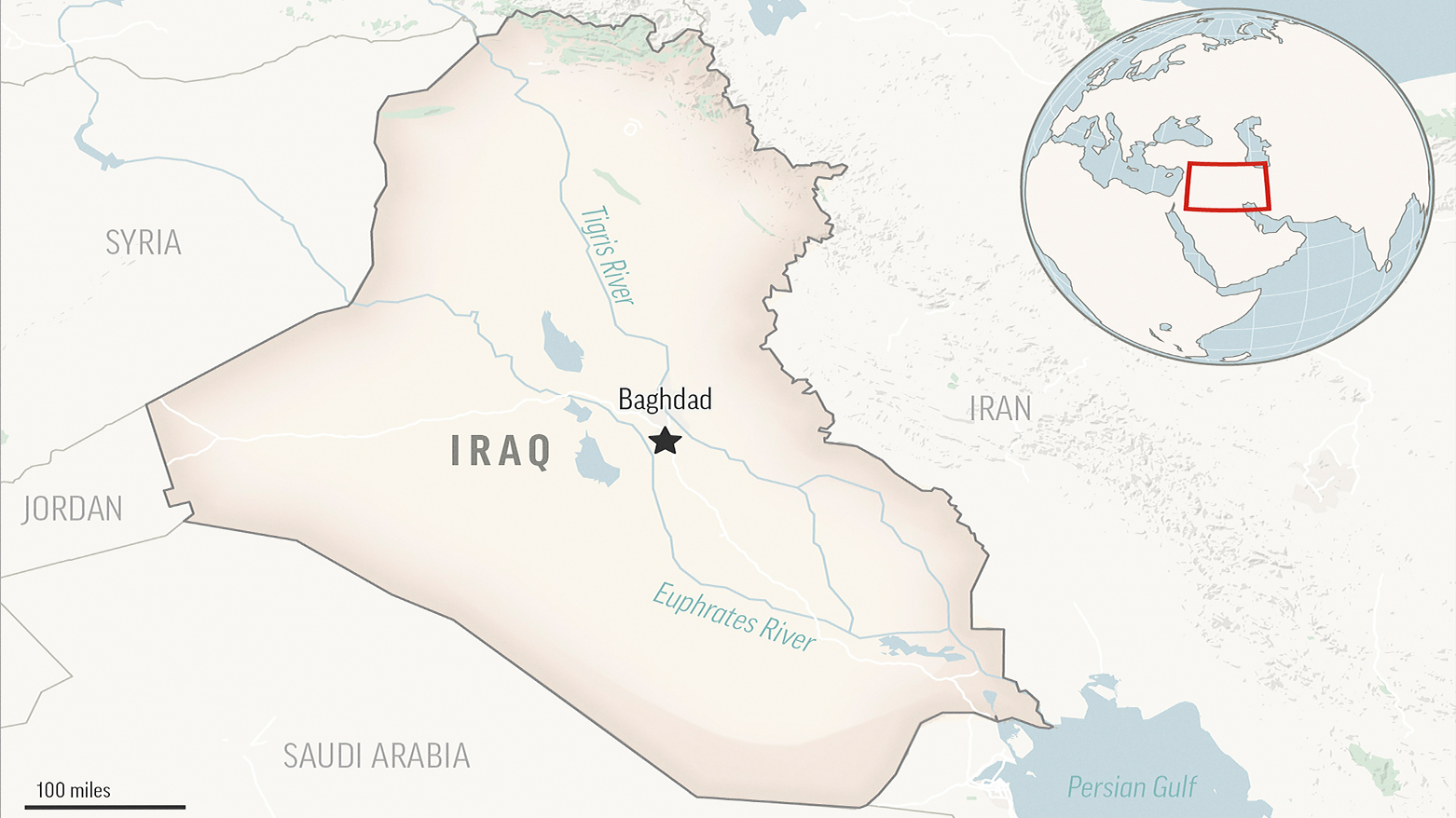
ERBIL (Kurdistan24) – Iraq announced on Sunday the completion of the withdrawal of US-led coalition forces from all military bases and command headquarters within the country’s federal territory, marking a significant milestone in the transition toward full Iraqi security control.
In a statement, the military committee overseeing the end of the coalition’s mission said the evacuation of coalition advisers from federal areas—excluding the Kurdistan Region-has been finalized. With the withdrawal complete, all former coalition sites have been transferred to the full authority of Iraqi security forces.
The committee noted that Iraq is now entering “the stage of bilateral security relations with the United States,” in line with a 2024 agreement between Baghdad and Washington that sets a timeline to conclude the coalition’s mission by the end of 2025, and by September 2026 in the Kurdistan Region.
US and allied forces were first deployed to Iraq and Syria in 2014 to combat ISIS, which at its peak controlled vast territories in both countries. ISIS was territorially defeated in Iraq in 2017 and in Syria in 2019, though it continues to operate through sleeper cells.
Most coalition troops had already withdrawn in earlier phases, leaving behind a limited advisory presence. The military committee said Iraqi forces are now “fully capable of preventing the reappearance of ISIS in Iraq and its infiltration across borders.”
The statement added that coordination with the international coalition will continue, particularly in efforts to eliminate ISIS remnants in Syria. It highlighted the coalition’s ongoing role in providing cross-border logistical support through its presence at an airbase in Erbil.
Anti-ISIS operations will also continue to be coordinated through the Ain al-Assad base in Anbar province, western Iraq, according to the committee.
While ISIS attacks in Iraq have declined sharply in recent years, the group still maintains limited activity in remote and mountainous areas. A UN Security Council report in August warned that ISIS has sought to rebuild networks along the Syrian border and restore operational capacity in the Badia region, underscoring the continued need for regional and international coordination.