Trump Threatens 100 Percent Tariff on Canada if It Finalizes China Trade Deal
U.S. President Donald Trump described a potential Canada–China deal as a risk that could turn Canada into a “drop-off port” for Chinese goods to enter the United States, and warned that Beijing would “eat Canada alive” economically and socially if left unchecked.
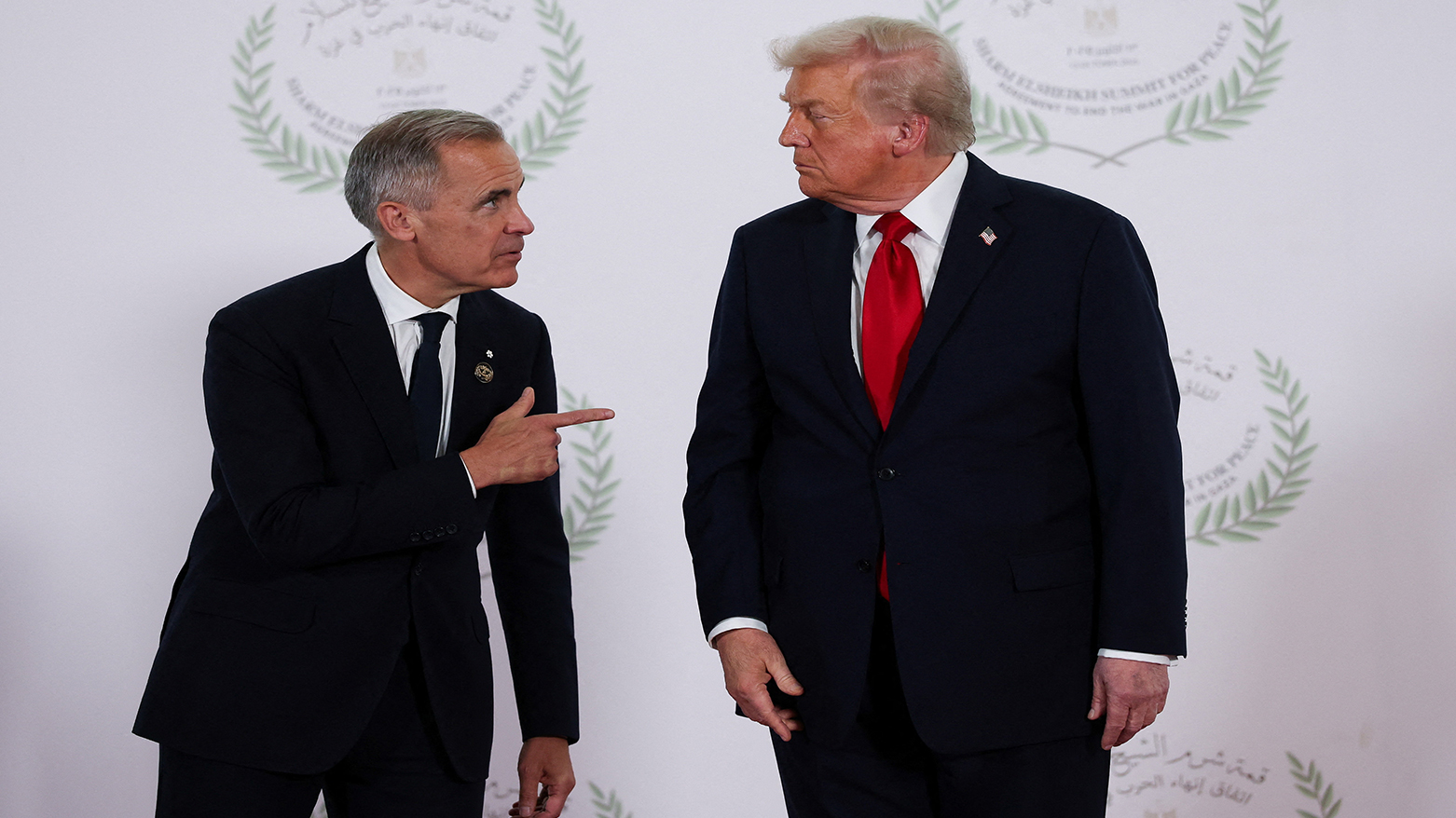
ERBIL (Kurdistan24) — U.S. President Donald Trump on Saturday issued an extraordinary threat to impose a 100 percent tariff on all Canadian imports if Ottawa moves forward with a prospective trade agreement with Beijing, escalating tensions between longtime allies.
Trump’s warning was posted on his Truth Social platform, where he accused Canadian Prime Minister Mark Carney of jeopardizing North American economic interests by engaging too closely with China.
He described a potential Canada–China deal as a risk that could turn Canada into a “drop-off port” for Chinese goods to enter the United States, and warned that Beijing would “eat Canada alive” economically and socially if left unchecked.
“If Canada makes a deal with China, it will immediately be hit with a 100 percent tariff against all Canadian goods and products coming into the United States,” Trump wrote, asserting the measure would apply across all sectors of bilateral trade.
The threat represents a stark escalation in an increasingly fractious relationship between Washington and Ottawa. Trump’s rhetoric followed Canadian efforts to deepen economic ties with China, including a visit by Carney to Beijing last week, where both sides announced steps toward a “new strategic partnership” aimed at lowering tariffs and expanding market access.
Carney also drew significant attention earlier this week at the World Economic Forum in Davos for characterizing strains in the U.S.-led global order—remarks widely interpreted as a critique of Trump’s trade and foreign policies.
The tariff threat comes amid a broader dispute between the two leaders. Trump recently revoked Canada’s invitation to his self-styled “Board of Peace” initiative—a proposed forum for resolving global conflicts—after Carney publicly questioned aspects of U.S. economic coercion through tariffs and broader foreign policy direction.
Canada is deeply economically integrated with the United States, with more than three-quarters of its exports destined for the American market. A move to impose a blanket 100 percent tariff could have profound implications for key Canadian industries such as automotive manufacturing, steel, aluminum, and energy, all of which rely on the U.S. market.
While Trump has periodically used tariff threats as leverage in international negotiations, including past confrontations with China, Mexico, and the European Union, most of his more extreme tariff warnings have not been fully enacted.
Analysts caution that the latest sharpened rhetoric could further strain cooperation on economic and security fronts.
The Canadian government has yet to issue an official response to Trump’s latest pronouncement. However, Carney has previously defended Ottawa’s sovereign right to pursue diversified trade partnerships while underscoring the importance of maintaining constructive relations with Washington.
The situation remains fluid, with potential implications for global supply chains and multilateral trade frameworks should the tariff threat be carried out.
Observers say any such U.S. action would mark a historic rupture in one of the world’s longest-standing and most interdependent economic partnerships.