Iraqi Dinar Weakens Amid Washington’s Political Pressure; Gold Surpasses $5,100/oz
The Iraqi dinar weakened to 151,500 per $100 amid U.S. political pressure, while global gold prices hit a historic record, surpassing $5,100 per ounce due to geopolitical risks.
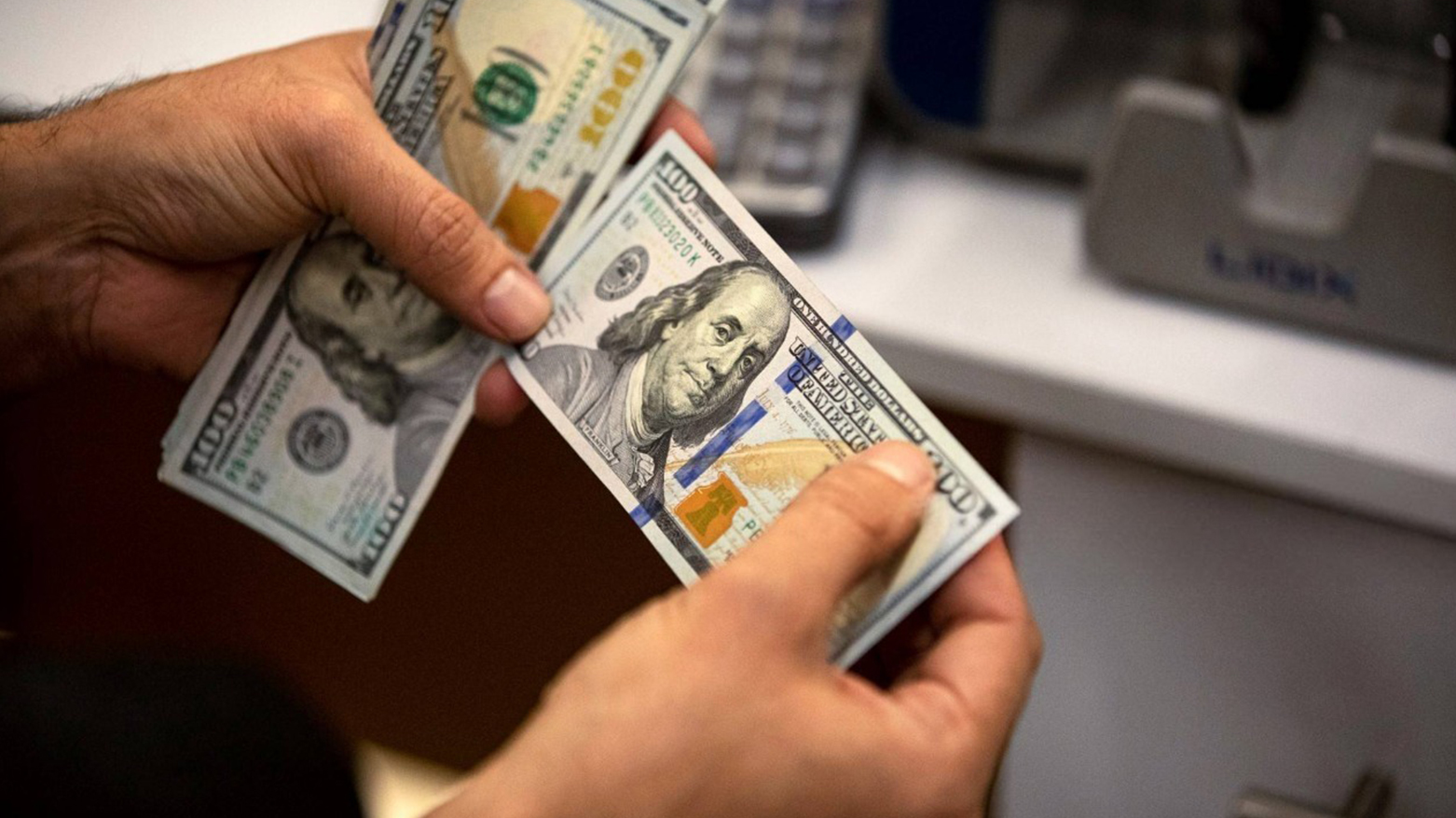
ERBIL (Kurdistan24) - The Iraqi dinar experienced a sharp decline in value against the U.S. dollar on Monday, fueled by a convergence of tightened electronic transfer regulations and escalating diplomatic pressure from Washington regarding the composition of Iraq’s next government.
The domestic currency volatility coincided with a historic surge in global commodities markets, where the price of gold surpassed $5,100 per ounce for the first time in recorded history, signaling a period of acute economic and geopolitical uncertainty.
Kaifi Mohammed, the spokesperson for the currency exchange market in the Kurdistan Region, stated on Monday, Jan. 26, 2026, that market stability has been directly undermined by a series of technical and political interventions.
According to Mohammed, the exchange rate for $100 reached 151,500 Iraqi dinars by midday, but he cautioned that the rate is unlikely to remain stable at its current level. Market projections suggest the currency could weaken further to 153,000 dinars per $100 in the coming hours as demand for foreign currency outstrips available supply.
Mohammed identified three primary catalysts for the dinar’s depreciation. He noted that procedures on the official currency transfer platform have been significantly tightened, creating a bottleneck that prevents merchants from obtaining the dollars necessary to conduct international trade.
This administrative friction is compounded by a hardening U.S. policy toward Baghdad. Washington has reportedly intensified its demands for the removal of militias from state decision-making centers, a move that has introduced a high degree of unpredictability into the local financial system.
Furthermore, Mohammed pointed to a broader shift in U.S. foreign policy under the Trump administration, which he characterized as increasingly transactional. He noted that Washington appears to be linking regional security and protection to direct financial payments, a stance that market participants view as a business-centric approach to geopolitics.
This perceived shift has led to increased anxiety among Iraqi merchants who, burdened by existing financial obligations and debts, have been forced to purchase dollars at prevailing market rates regardless of the cost, thereby driving the price higher.
The domestic currency strain is unfolding against the backdrop of an unprecedented rally in the global gold market. At the start of trading on the London Stock Exchange on Monday morning, the price of an ounce of gold breached the $5,000 threshold for the first time.
The metal’s ascent continued rapidly, rising by 2 percent to reach $5,093 before eventually settling above the $5,100 mark. Financial analysts noted that the speed of the increase is significant; gold first broke the $2,000 barrier in January 2024, and has more than doubled in value in the two years since.
Economic experts cited by market observers attribute the record-breaking gold prices to three main drivers: a sharp increase in geopolitical risks across multiple global regions, sustained and large-scale bullion purchases by central banks, and market expectations that the U.S. Federal Reserve will continue to lower interest rates.
The convergence of these factors has reinforced gold's status as a primary haven for investors seeking to hedge against currency devaluations and political instability.
The local and global economic fluctuations are deeply intertwined with the deteriorating diplomatic relationship between Baghdad and Washington.
Abbas Jibouri, head of the Baghdad-based Rafid Center for Political and Strategic Studies, warned on Sunday that Iraq has reached a "dangerous crossroads."
Jibouri noted that U.S. threats to restrict Iraq’s access to its own oil revenues—which are deposited in the Federal Reserve Bank of New York—represent a potent economic pressure tool that could trigger a systemic "salary shock" and broad financial sanctions.
Because oil revenues account for more than 90 percent of Iraq’s state income, any disruption to the flow of dollars from the United States would have immediate and devastating consequences for public sector salaries and infrastructure projects.
Jibouri argued that the United States is increasingly viewing Iraqi governance through a security lens, particularly concerning the participation of armed groups in the next cabinet. He warned that any steps toward "legalizing weapons outside the framework of the state" could prompt Washington to freeze assets or impose severe banking restrictions.
This assessment is supported by recent reports from the Associated Press, which indicated that the United States has begun a strategy that observers describe as "economic suffocation" or "dollar starvation."
According to the report, Washington is leveraging its recent access to Venezuelan oil to manage global energy markets. By reintroducing Venezuelan exports to the world stage, the U.S. administration believes it can mitigate price spikes even if Iraqi exports are disrupted by financial sanctions.
This suggests that the U.S. is now positioned to impose comprehensive sanctions on the Iraqi government itself rather than just targeting specific individuals or institutions.
The threat of economic isolation looms large as Iraqi political forces deliberate the formation of the next government. U.S. officials have explicitly warned that the inclusion of armed factions opposed by Washington in the next cabinet would likely trigger a suspension of dollar transactions.
Despite these repeated warnings, several groups and individuals the U.S. deems problematic have already secured, or are expected to secure, senior positions in the government.
Jibouri urged Iraqi political leaders to recognize that economic stability is now inseparable from political and security stability.
He argued that the only solution to the looming crisis is for Baghdad to adopt a governance model that consolidates the monopoly of force under state institutions and reassures international partners that the government will remain independent of external regional influences.
Failure to achieve this balance, he warned, would place the heaviest burden on ordinary Iraqi citizens, who are already feeling the impact of the dinar’s fall and the rising cost of living.
As of late Monday, merchants in Erbil and Baghdad remained in a state of high alert, monitoring the currency exchanges for further signs of depreciation.
The historic high in gold prices serves as a global indicator of the same fears driving the local market: a world defined by intensifying power rivalries and a diminishing reliance on traditional rules of international cooperation.