Rubio Warns Venezuela of Possible U.S. Military Action if Interim Leaders Defy Washington
“We are prepared to use force to ensure maximum cooperation if other methods fail,” Rubio is expected to say, according to excerpts released Tuesday by the State Department.
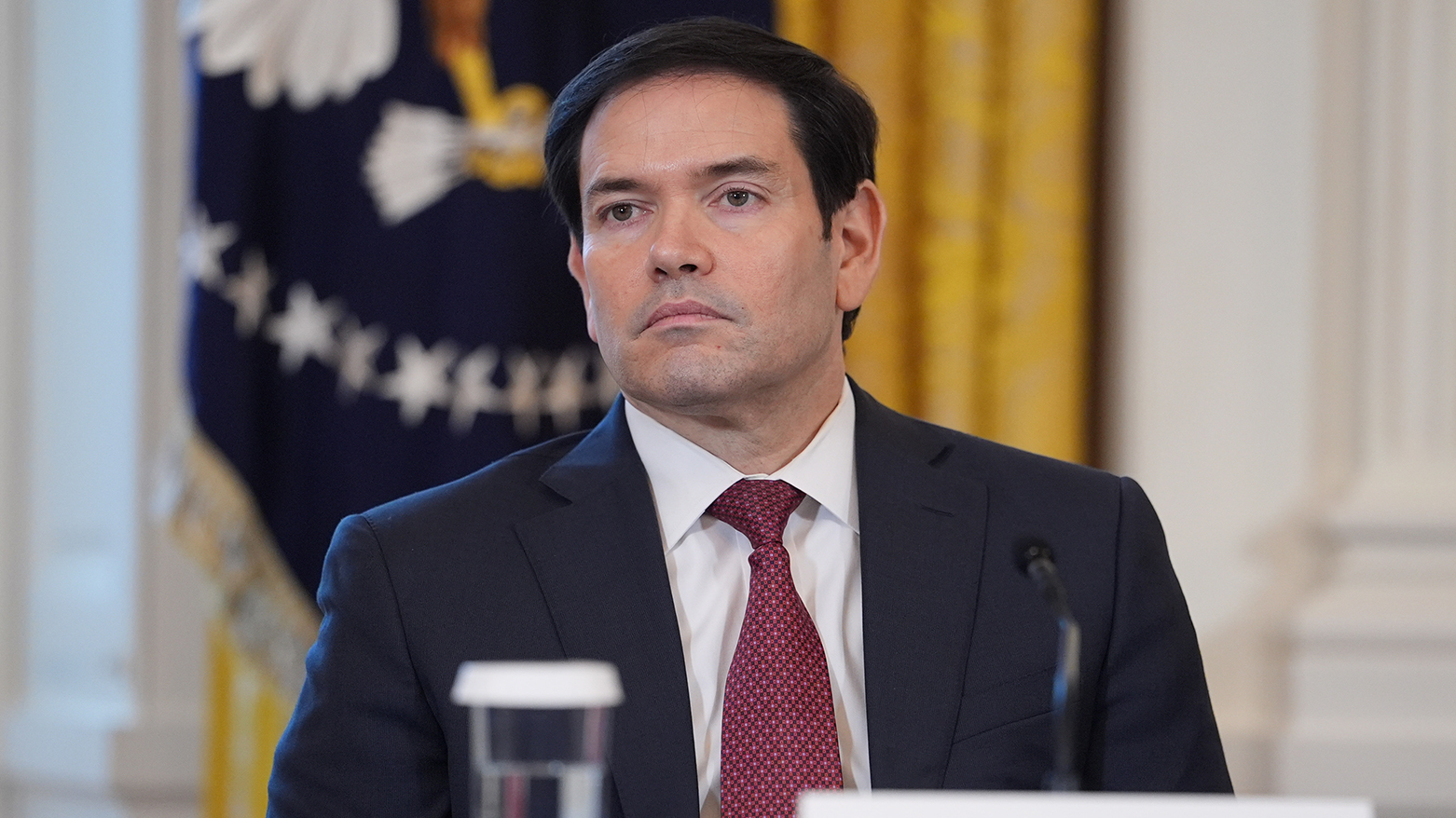
ERBIL (Kurdistan24) — U.S. Secretary of State Marco Rubio is set to warn lawmakers that the Trump administration is prepared to take further military action against Venezuela if the country’s interim leadership strays from Washington’s expectations, even as both sides move tentatively toward normalizing diplomatic relations.
In prepared testimony for a Senate Foreign Relations Committee hearing on Wednesday, Rubio says the United States is not at war with Venezuela and that its interim government is currently cooperating with U.S. demands. However, he stresses that Washington would not rule out the use of additional force following a U.S. raid earlier this month that led to the capture of former president Nicolás Maduro.
“We are prepared to use force to ensure maximum cooperation if other methods fail,” Rubio is expected to say, according to excerpts released Tuesday by the State Department.
“It is our hope that this will not prove necessary, but we will never shy away from our duty to the American people and our mission in this hemisphere.”
Rubio, a former Florida senator, is expected to defend one of President Donald Trump’s most controversial foreign policy initiatives as the administration faces scrutiny from Congress and unease within Republican ranks over Trump’s broader global ambitions.
The hearing will focus squarely on Venezuela, where the administration has escalated pressure while insisting its actions fall short of armed conflict.
In his remarks, Rubio plans to justify the decision to remove Maduro to face drug trafficking charges in the United States, continue deadly military strikes on vessels suspected of smuggling narcotics, and seize sanctioned tankers carrying Venezuelan oil. He will again reject claims that these actions violate the U.S. Constitution.
“There is no war against Venezuela, and we did not occupy a country,” Rubio will say. “There are no U.S. troops on the ground. This was an operation to aid law enforcement.”
Democrats in Congress have sharply criticized Trump’s actions, arguing they exceed executive authority. The House narrowly defeated a War Powers Act resolution that would have required the president to withdraw U.S. forces from Venezuela, despite administration claims that no American troops are operating inside the country.
Lawmakers backing the resolution cited the raid that captured Maduro and Trump’s stated intention to exert long-term control over Venezuela’s oil industry. While most Republicans have supported the administration, dissent has emerged amid concerns over the scope of presidential power.
Legal challenges are also mounting. Families of two Trinidadian nationals killed in a U.S. boat strike have filed what is believed to be the first wrongful death lawsuit linked to the campaign. Since September, at least 126 people have been killed in more than three dozen U.S. strikes on boats in the Caribbean Sea and eastern Pacific Ocean.
At the same time, U.S. officials are working to cautiously normalize relations with Venezuela’s acting president, Delcy Rodríguez, even as they continue to label elements of the former government as “narcotraffickers” without publicly providing evidence. Rubio’s testimony makes clear that cooperation is not optional.
“Rodríguez is well aware of the fate of Maduro; it is our belief that her own self-interest aligns with advancing our key objectives,” Rubio will say. Those objectives include opening Venezuela’s energy sector to U.S. companies, granting preferential access to oil production, using oil revenues to purchase American goods, and ending subsidized oil exports to Cuba.
Rodríguez, who previously served as Maduro’s vice president, said Tuesday that her government and the Trump administration have established “respectful and courteous channels of communication.” In televised remarks, she said she was working with Trump and Rubio to set “a working agenda.”
Her government has begun releasing political prisoners jailed under Maduro and his predecessor, Hugo Chávez. A Venezuelan human rights group said 266 detainees have been freed since Jan. 8. Trump praised the move on social media, calling it a “powerful humanitarian gesture.”
In a significant step toward restoring diplomatic ties, the State Department notified Congress this week of plans to send additional diplomatic and support personnel to Caracas to prepare for a possible reopening of the U.S. Embassy.
The mission has been closed since 2019. Full normalization, however, would require Washington to reverse its recognition of the Venezuelan parliament elected in 2015 as the country’s legitimate governing body.
Rubio is also scheduled to meet later Wednesday with Venezuelan opposition leader María Corina Machado at the State Department. Machado went into hiding after Maduro was declared the winner of the disputed 2024 presidential election, later reemerging to accept the Nobel Peace Prize in Norway.
After Maduro’s ouster, she traveled to Washington, where she presented Trump with her Peace Prize medal—an extraordinary gesture amid signs that the administration has sidelined her politically.