Syria, Kurdish-Led Council Say Talks Advance Under New Agreement, Despite Besieged City's Plight
The Democratic Syria Council says talks with Damascus are advancing under the Jan. 18 agreement, as Kobani faces severe shortages and humanitarian risks amid an ongoing siege.
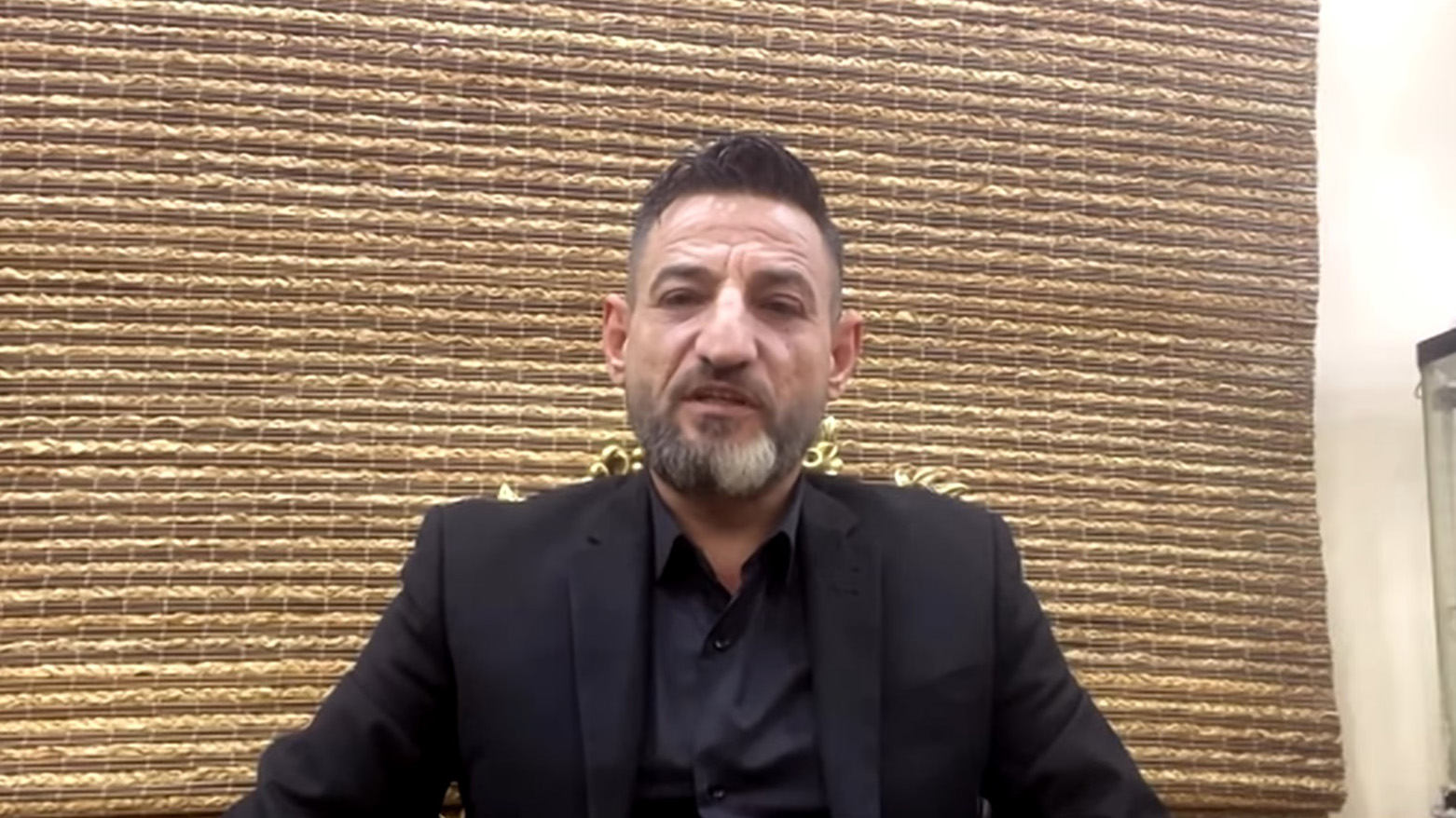
ERBIL (Kurdistan24) - As humanitarian conditions deteriorate sharply in Kobani, the Democratic Syria Council (SDC) says negotiations with Damascus are moving forward in a positive atmosphere, with both sides discussing political, military, and administrative arrangements under the Jan. 18 agreement.
Abdulwahab Khalil, the SDC’s Head of Relations in Damascus, told Kurdistan24 that talks between the Syrian Democratic Forces (SDF) and the Syrian government are continuing constructively, marking what he described as a new and positive phase aimed at resolving long-standing issues through dialogue.
Speaking to Kurdistan24, Khalil disclosed details of the latest meetings in Damascus between SDF General Commander Mazloum Abdi and representatives of the interim Syrian government. He said the atmosphere of the discussions reflects a shift toward seriousness and engagement, with efforts focused on addressing military, security, and political challenges through dialogue rather than confrontation.
Khalil said both sides are currently evaluating the Jan. 18 agreement, which serves as the core framework guiding the negotiations. According to him, the agreement encompasses technical, military, and administrative matters, and forms the basis for ongoing discussions.
“These talks are being conducted to guarantee the rights of the Kurds and the components of the region within the framework of the Syrian constitution,” Khalil said, emphasizing that the negotiations are centered on securing recognized rights through constitutional mechanisms.
On military and security arrangements, Khalil said there is a prevailing view that the Syrian Democratic Forces would remain a national force under the umbrella of Syria’s Ministry of Defense, while continuing to protect their regions.
He added that the Asayish forces are also expected to be organized under the authority of Syria’s Ministry of Interior, although the specific mechanisms for implementing this arrangement remain under discussion.
Khalil stressed that these points are still being negotiated and that no final details have yet been announced regarding implementation.
Role of the Kurdistan Region and Kurdish leadership
Khalil highlighted the support of the Kurdistan Region, praising the role of Kurdistan Democratic Party leader Masoud Barzani and Kurdistan Region Prime Minister Masrour Barzani.
“The stance of the leadership of the Kurdistan Region and their humanitarian and diplomatic support are very important for us,” Khalil said. “The voice they have raised at the international level in defense of Kurdish rights has had a significant impact on this process.”
He also underlined the importance of Kurdish unity and support from other parts of Kurdistan, describing it as a major source of strength.
“We are indebted to the blood of our martyrs and to the national support we receive,” Khalil said.
In closing, Khalil said that despite risks and challenges, the SDC remains optimistic that the talks will lead to outcomes serving all the people of Syria, and particularly the legitimate rights of the Kurdish people. He added that halting military confrontations would create greater opportunities for political and administrative solutions.
The talks come as Kobani faces an escalating humanitarian crisis under a prolonged siege, with severe shortages of food, medicine, fuel, electricity, and water.
In an interview with Kurdistan24, Adnan Bozan, Head of the Kobani Local Council of the Kurdish National Council in Syria, warned that the ongoing siege is pushing the city toward disaster, particularly for children.
Bozan described the health situation as “extremely dangerous,” citing the absence of heating, food, medicines, and infant formula amid harsh winter conditions. He said seasonal illnesses, including gastrointestinal and skin diseases, are spreading, alongside early signs of malnutrition.
He confirmed that pharmacies and warehouses are running out of essential medicines, especially those for chronic illnesses, while infant formula is “almost completely unavailable” in local markets.
According to Bozan, hospitals and medical centers are operating with severely limited capacity, with many surgical procedures postponed due to shortages of medical supplies and equipment.
He said the local council has issued repeated appeals calling for the opening of humanitarian corridors and the entry of international organizations into Kobani, warning that current aid deliveries, including limited United Nations shipments from Aleppo, fall far short of actual needs.
Bozan also warned of an impending bread crisis due to fuel shortages affecting bakeries, soaring food prices, and the near exhaustion of household food stocks. He said electricity has been cut for more than ten days, internet services have been fully disconnected, and water supplies disrupted, forcing residents to purchase expensive tanker water.
The city, he said, remains under a suffocating siege from all directions, with no humanitarian corridors open for more than ten days.
As Kobani endures mounting humanitarian hardship, SDC officials say negotiations with Damascus are progressing in a positive direction, raising hopes that political dialogue may ease both the conflict and the suffering of civilians on the ground.