Autonomous Administration Official Details Damascus-SDF Deal: Ceasefire, Military Integration, Kurdish Rights
Ilham Ahmed detailed the Syria–Autonomous Administration agreement, confirming a permanent ceasefire, SDF integration into the Syrian army, guarantees by international actors, protection of Kurdish language rights, and steps toward returns, governance reform, and reconstruction.
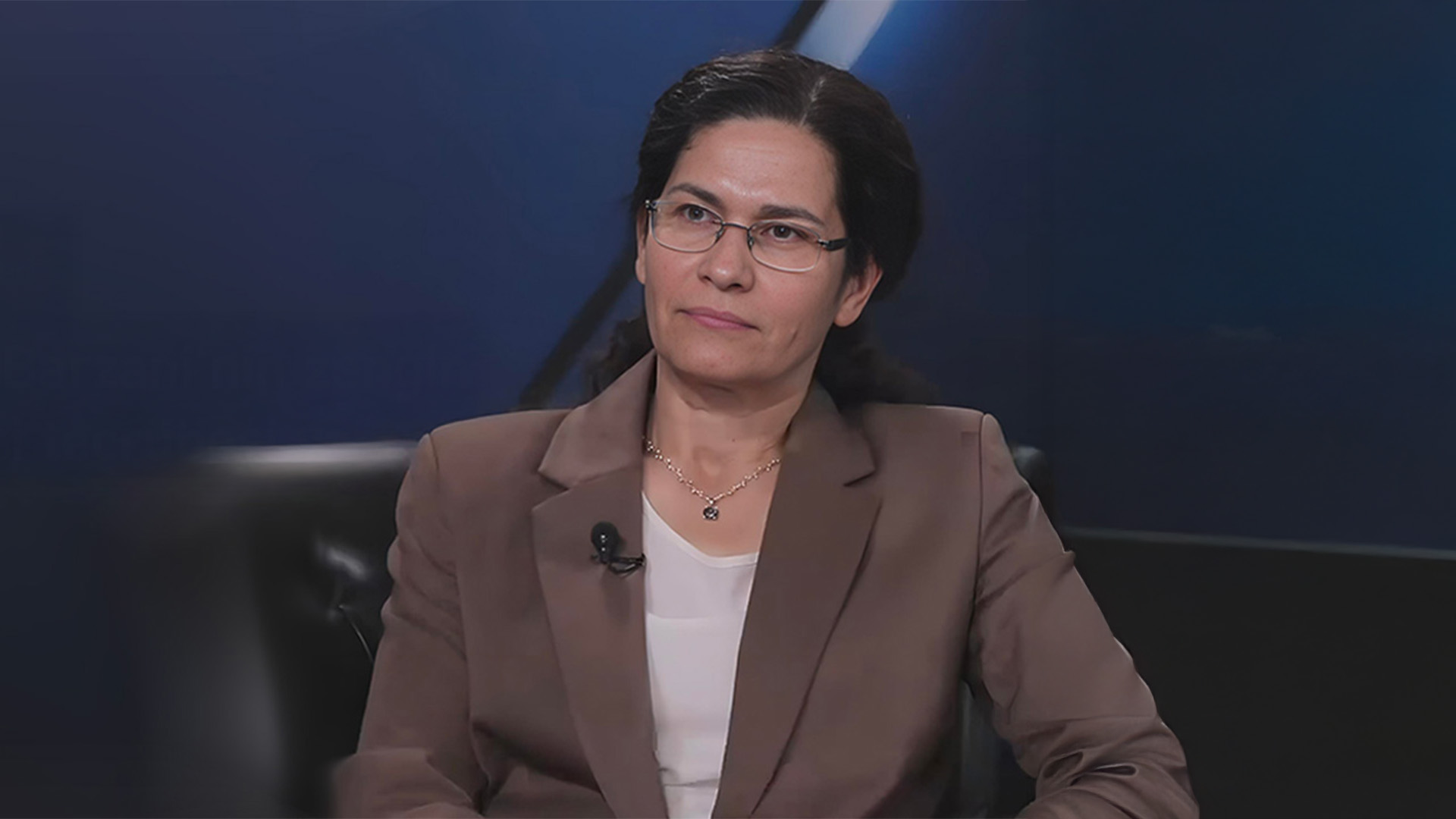
ERBIL (Kurdistan24) - On Friday, Ilham Ahmed, Co-Chair of the Foreign Relations Department of the Autonomous Administration, disclosed the full details of the new agreement reached with the Syrian government, describing it as a framework that guarantees a permanent ceasefire and regulates the integration of the Syrian Democratic Forces (SDF) and the Women’s Protection Units (YPJ) into Syria’s military structure.
Speaking at a press conference, Ahmed said the agreement was signed to prevent further bloodshed and to secure a lasting ceasefire, warning that reliance on armed struggle alone cannot guarantee an end to war.
She said that in recent months there had been intense fighting and serious plans aimed at eliminating the administration’s achievements. However, she stated that through the efforts of mediating countries, Kurdish public opinion, the Kurdistan Regional Government, and other involved actors, it was possible to protect territory, borders, and existing gains.
According to Ahmed, the agreement ensures a permanent ceasefire and lays the groundwork for integration rather than continued confrontation. She said the core objective was to stop civilian casualties and reach sustainable calm, noting that continued militarization alone offers no assurance of lasting peace.
Military and security arrangements
Ahmed explained that the process of integrating the SDF into the Syrian army has entered the implementation phase. Under the plan, three brigades will be formed in Hasakah and Kobani, dedicated to the region and incorporated into Syria’s defense system. As part of this arrangement, units of the Syrian army will enter Hasakah and Qamishlo.
Regarding the Women’s Protection Units, Ahmed said the YPJ are part of the Syrian Democratic Forces and will be integrated into the brigades to be formed under the agreement.
On internal security, she stressed that the Asayish forces will remain in the region and will become a formal force, emphasizing that no other force will replace them.
She added that armed groups which advanced in recent weeks are required, under guarantees provided by the mediating countries, to withdraw back to their original positions. Lines of contact between the Syrian army and the SDF have been clearly defined under the agreement.
Borders, crossings, and administration
Ahmed said border crossings and airports will fall under the authority of the Syrian government, but will be administered by local personnel, with staff working there required to be residents of the region.
She confirmed that the Semalka crossing will remain open, a provision explicitly included in the agreement. Employees at the crossing will become official government staff. At the same time, she acknowledged the existence of disagreements over certain technical details related to crossings, noting that dialogue is ongoing, as the administration seeks to keep the protection of border points in the hands of local authorities.
International guarantees and criticism of Washington
Ahmed stated that international actors, particularly the United States and France, have pledged to guarantee security and oversee the implementation of the agreement.
However, she criticized Washington’s political role in the negotiations, describing it as “negative.” She said the US role did not meet expectations, especially given the significant role played by the SDF in defeating ISIS, adding that what was expected from Washington was a more just and balanced stance.
She also called on all parties to support the Lindsey Graham draft bill in the US Congress to protect Kurdish rights and secure guarantees for them.
Humanitarian, displacement, and reconstruction
In another part of her remarks, Ahmed highlighted the humanitarian dimension of the agreement, saying discussions are ongoing to facilitate the return of displaced people to their areas of origin, including Afrin, the Aleppo countryside, Sheikh Maqsoud, and Ashrafieh. She said this issue constitutes a central pillar of the agreement and is linked to efforts to rebuild the region.
Governance, education, and Kurdish language rights
On administrative and cultural issues, Ahmed said the appointment of the governor of Hasakah will remain within the authority of the administration. Institutions such as education will be reorganized in a way that preserves Kurdish as an official language of instruction.
She announced that a presidential decree is expected to be issued by the Syrian presidency formally recognizing all certificates obtained in the Kurdish language. She also said there are observations regarding previous decrees and that discussions are underway to amend certain provisions.
Ahmed emphasized that decrees alone are insufficient to safeguard rights, arguing that Kurdish rights must be enshrined constitutionally and in a comprehensive manner.
Political phase ahead
She concluded by saying that Syria is entering a new phase marked by elections and a political and constitutional process that requires the distribution of power and inclusive participation.
“Today, our struggle enters a new phase, and we are beginning political, legal, and constitutional struggle,” Ahmed said, pledging continued efforts to guarantee the rights of martyrs and fulfill their objectives.