Ten Security Officials, 37 Militants Killed in Coordinated Attacks Across Southwest Pakistan
Baloch separatists killed 10 officials in coordinated attacks across 12 sites in Balochistan on Saturday. AFP reports 37 militants died as authorities jammed mobile services and suspended trains.
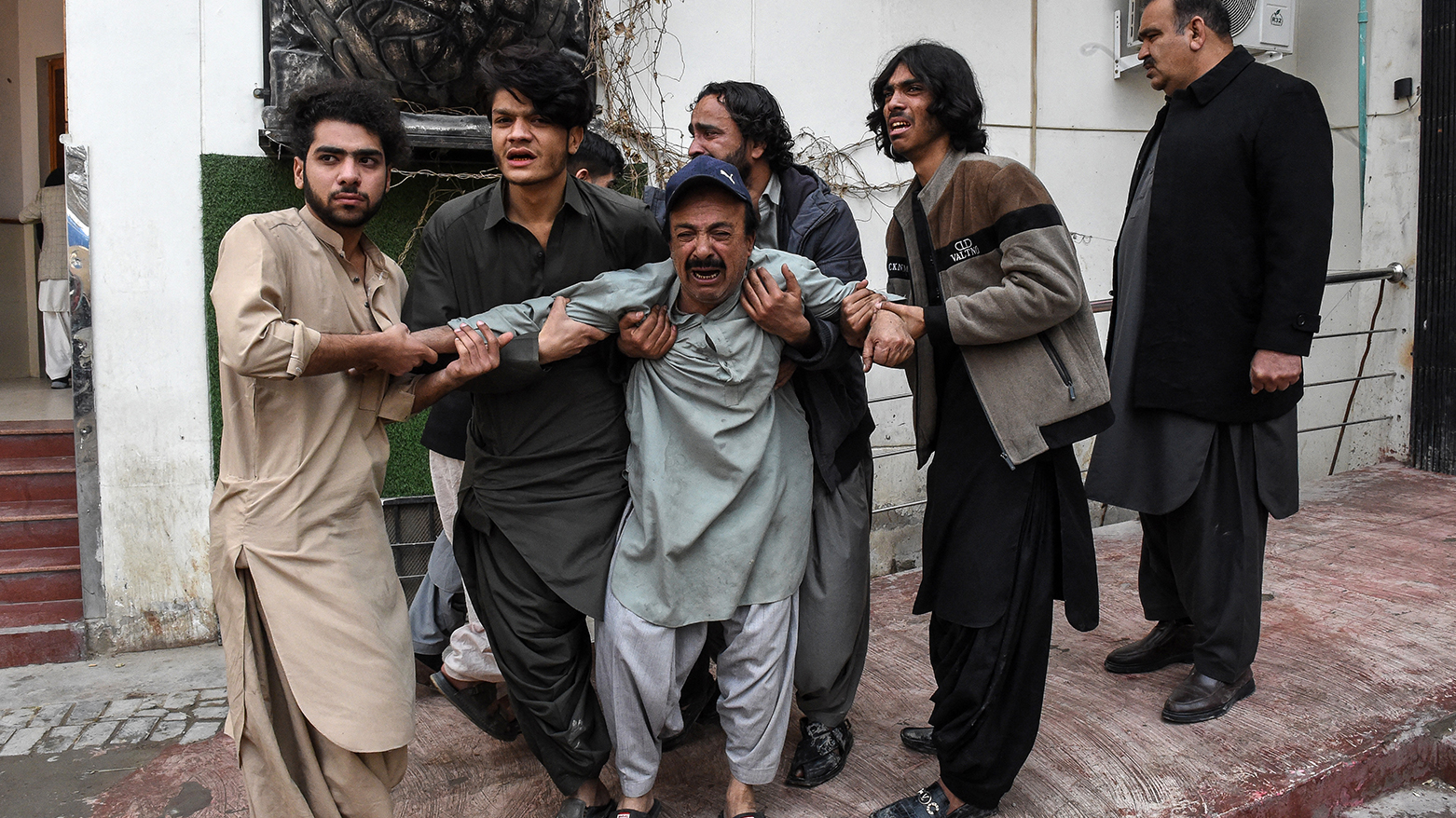
ERBIL (Kurdistan24) - At least 10 security officials and 37 militants were killed on Saturday during a series of coordinated attacks launched by ethnic Baloch separatists across Pakistan’s Balochistan province. The violence, which targeted more than a dozen locations in the insurgency-hit southwestern region, represents a significant escalation in the decades-long conflict between the Pakistani state and separatist factions.
According to reports by Agence France-Presse (AFP), the assaults involved a combination of gun attacks and suicide bombings. A senior security official, speaking to AFP on the condition of anonymity, stated that the militants initiated the synchronized strikes on Saturday morning at more than 12 different locations. "Thirty-seven terrorists have been eliminated," the official told AFP, adding that ten security personnel were killed and several others sustained injuries during the engagements.
The Baloch Liberation Army (BLA), identified as the most active militant separatist group in the province, claimed responsibility for the operation in a statement sent to AFP. The BLA asserted that its fighters targeted military installations as well as police and civil administration officials. AFP reported that the primary sites of the coordinated violence included the districts of Quetta, Pasni, Mastung, Nushki, and Gwadar. In the provincial capital of Quetta alone, at least four policemen were confirmed killed.
A senior military official based in Islamabad characterized the strikes as "coordinated but poorly executed." In comments provided to AFP, the official claimed the offensive failed due to "poor planning" and a "rapid collapse" once security forces initiated a response. Despite this assessment, at least four police officials across four separate districts confirmed to AFP that the situation on the ground was not yet completely under control as of late Saturday morning.
The Pakistani government responded to the volatility by implementing emergency security measures. AFP reported that mobile phone services were jammed in the affected districts to disrupt militant communications. Traffic was heavily restricted, and train services were suspended across the entire province.
The province of Balochistan, which borders Afghanistan and Iran, is Pakistan's poorest administrative division despite possessing an abundance of untapped natural resources. Ethnic Baloch separatists have historically maintained that the central government and foreign energy firms exploit the province's mineral wealth while the region lags behind the rest of the country in education, employment, and infrastructure.
Saturday’s violence follows a reported surge in military activity in the region. The Pakistani military stated on Friday that it had killed 41 insurgents during two separate operations conducted in the province just 24 hours prior to the BLA-led offensive.
In recent years, the nature of the insurgency has shifted. Separatists have increasingly targeted foreign nationals and Pakistani laborers from neighboring provinces who work in the region. AFP noted that last year, a significant attack on a train carrying 450 passengers resulted in a two-day siege and dozens of casualties.
As of Saturday afternoon, security forces continued to conduct clearing operations at the various sites of the attacks. The high death toll among both militants and state forces underscores the persistent difficulty Islamabad faces in stabilizing the mineral-rich but restive province.