Iran Defends Strait of Hormuz Exercises as U.S. Warns of Risks to Navigation
Tehran accuses Washington of absurdity as CENTCOM calls for safe conduct amid escalating tensions.
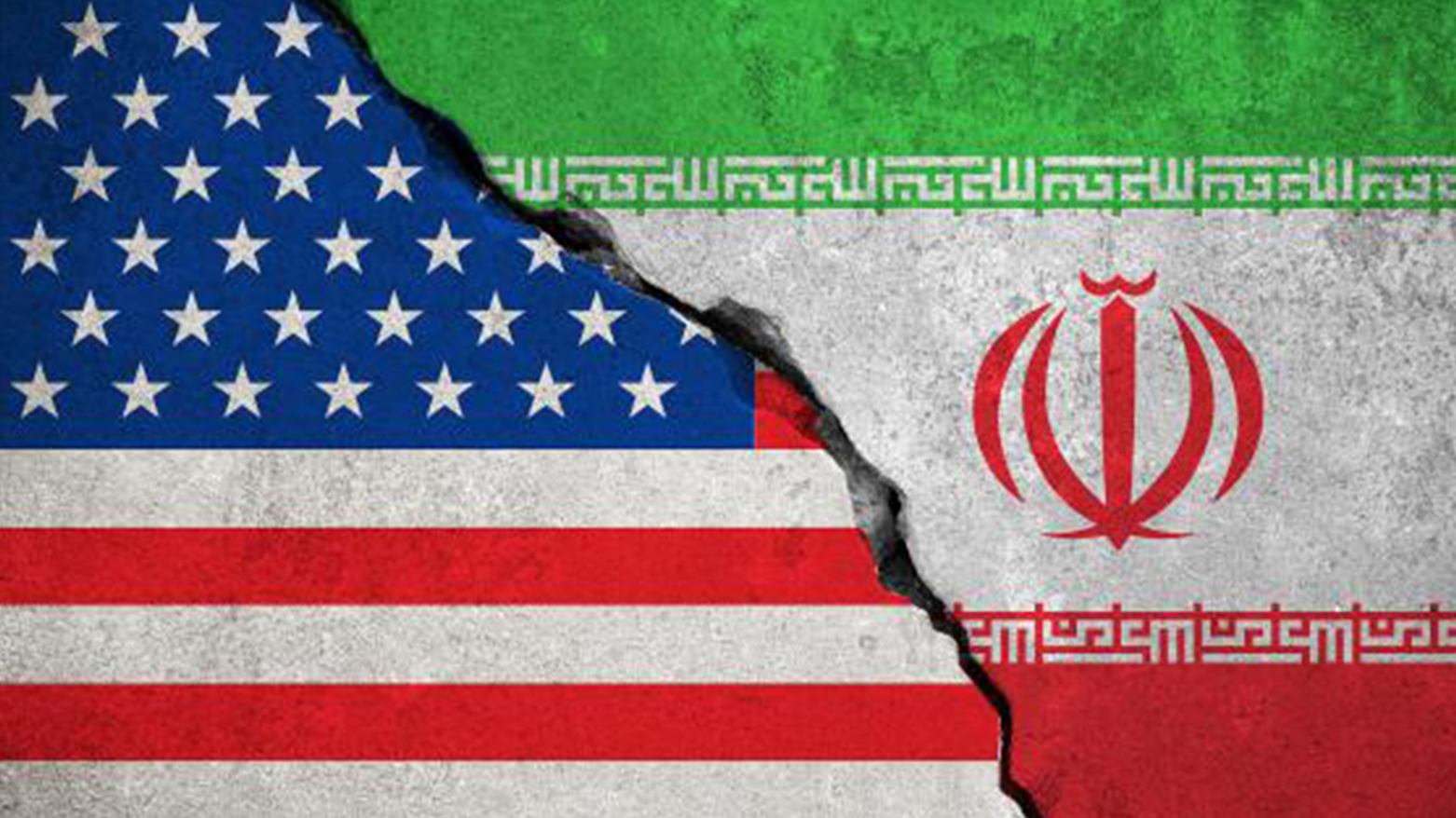
ERBIL (Kurdistan24) — Iran’s Foreign Minister Abbas Araghchi criticized U.S. demands over Iranian military drills in the Strait of Hormuz, describing them on Saturday as “absurd” and asserting that the Islamic Revolutionary Guard Corps (IRGC) remains a “protector of peace and stability” in the "Persian Gulf."
In a post on X, Araghchi highlighted the strategic importance of the strait and condemned U.S. efforts to dictate how Iran conducts exercises in its own waters, noting the contradiction in Washington labeling the IRGC a “terrorist organization” while simultaneously acknowledging its right to conduct military drills.
Araghchi emphasized that freedom of navigation in the Strait of Hormuz is vital not only to Iran but also to regional neighbors and international trade. He argued that the presence of outside forces has historically caused escalation rather than de-escalation and praised the IRGC as a battle-tested force that has countered both terrorism and foreign incursions.
In the early hours of Saturday, U.S. Central Command (CENTCOM) urged Iran to conduct its two-day live-fire naval exercise, scheduled to begin Sunday, “in a manner that is safe, professional, and avoids unnecessary risk to freedom of navigation for international maritime traffic.”
CENTCOM stressed the strait’s role as a critical trade corridor, with roughly 100 merchant vessels passing through daily. The command warned that "unsafe IRGC maneuvers, such as low-altitude flights over U.S. vessels, high-speed approaches, or weapons aimed at U.S. forces, could lead to collisions, escalation, and destabilization."
CENTCOM reiterated that the U.S. military operates with the “highest levels of professionalism” and adherence to international norms, emphasizing that Iran must do the same.
The statement reflects growing tensions over military activity in the Gulf, where both Tehran and Washington continue to assert their respective roles and responsibilities amid concerns over the security of international shipping lanes.
The situation underscores the delicate balance in the Gulf, where Iranian sovereignty claims, U.S. military presence, and international trade interests intersect, making the Strait of Hormuz a persistent flashpoint in regional security.