UAE Urges Iran to Reach Deal With U.S. to Ease Rising Tensions
Anwar Gargash calls for direct Tehran–Washington talks amid military threats and regional uncertainty
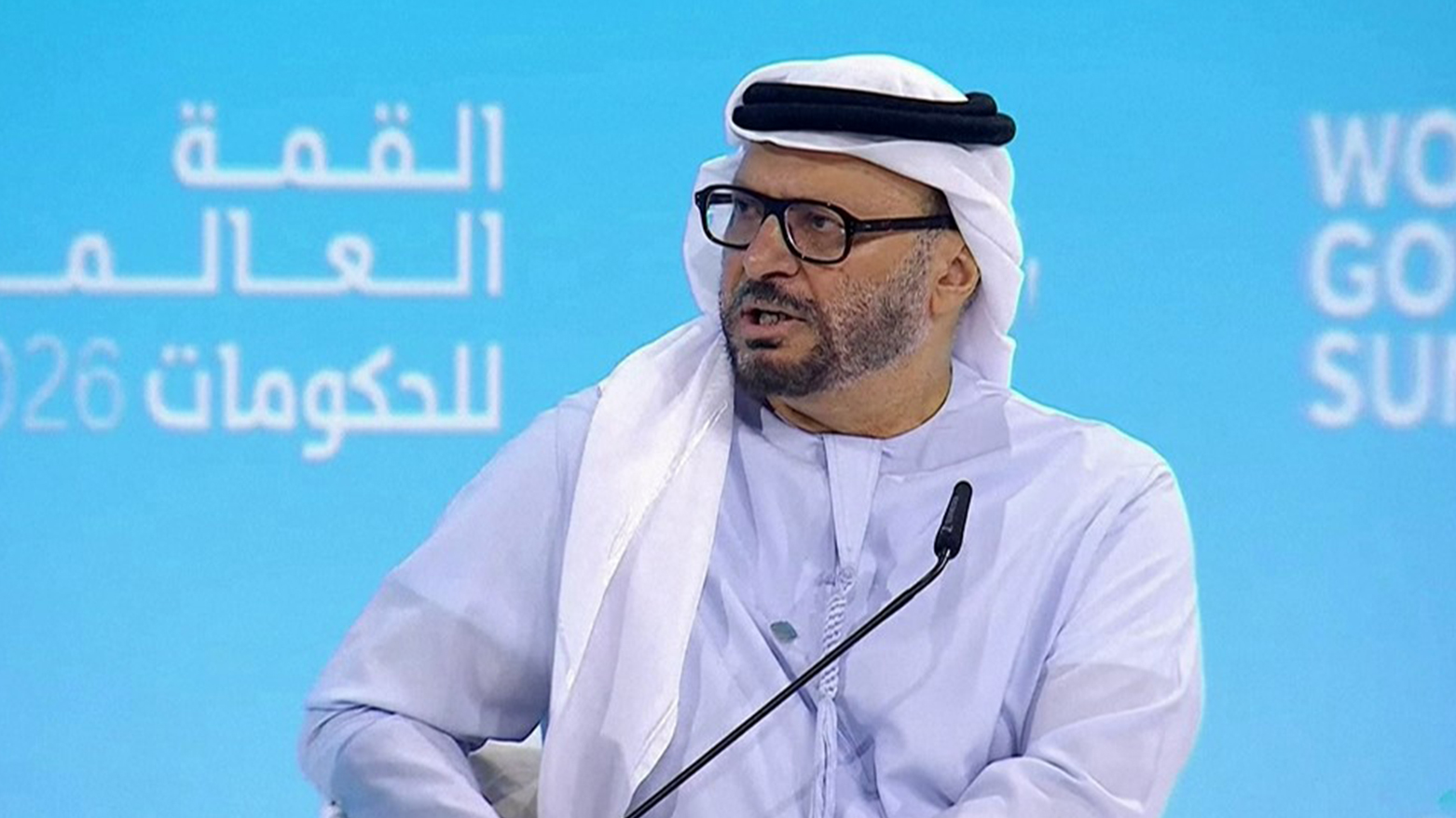
ERBIL (Kurdistan24) — A senior United Arab Emirates official on Tuesday said Iran needs to reach a deal with the United States, warning that continued tensions and recurring crises risk further destabilizing the region.
Speaking at the World Governments Summit in Dubai, Anwar Gargash, diplomatic adviser to the UAE president, said Tehran must move toward repairing its strained relationship with Washington. “Iran today needs to reach a deal,” Gargash said, stressing that rebuilding ties with the United States is increasingly necessary.
“I would like to see direct Iranian-American negotiations leading to understandings so that we don’t have these issues every other day,” he added, referring to the cycle of escalating rhetoric, military posturing, and diplomatic standoffs that have marked U.S.–Iran relations in recent years.
Gargash’s remarks come ahead of anticipated talks between Iran and the United States, at a time when Washington has repeatedly warned of possible military action if diplomacy fails.
The renewed pressure has coincided with heightened regional anxiety, particularly among Gulf states that would likely bear the immediate consequences of any confrontation.
The UAE, which normalized relations with Israel in 2020 and has sought to position itself as a regional hub for diplomacy and de-escalation, has in recent years also worked to recalibrate its ties with Iran.
Abu Dhabi restored diplomatic relations with Tehran after a period of tension, reflecting a broader Gulf effort to reduce conflict and protect economic and security interests.
U.S.–Iran relations remain deeply strained over sanctions, regional influence, and Iran’s nuclear program. While intermittent diplomatic channels have remained open, progress toward a comprehensive agreement has been elusive, with mutual mistrust compounded by U.S. military deployments and Iranian warnings against negotiations under threat.
Iranian leaders have consistently said they reject talks conducted under pressure, insisting that any negotiations must respect Iran’s sovereignty and national interests. However, regional actors, including the UAE, have increasingly voiced concern that prolonged deadlock could lead to miscalculation or open conflict.
Iranian President Masoud Pezeshkian on Tuesday signaled conditional openness to negotiations with the United States, saying Tehran is prepared to explore talks if they are conducted in an environment free from threats and “unreasonable expectations.”
In a statement published on his official X account, Pezeshkian said the decision came in response to requests from “friendly governments in the region” urging Iran to reply to a proposal by U.S. President Donald Trump for negotiations.
“Provided that a suitable environment exists—one free from threats and unreasonable expectations—I have instructed my Minister of Foreign Affairs to pursue fair and equitable negotiations,” Pezeshkian wrote, emphasizing that any talks must be guided by the principles of “dignity, prudence, and expediency.”
The Iranian president underlined that negotiations, if they take place, would be conducted strictly within the framework of Iran’s national interests, reflecting Tehran’s longstanding position that dialogue cannot occur under pressure or coercion.
The backdrop to Pezeshkian’s statement is marked by mixed signals from Washington, combining diplomatic outreach with overt displays of military pressure. U.S. President Donald Trump told reporters at the White House on Monday that American naval assets were “heading to Iran right now,” describing them as “big ones,” while simultaneously confirming that talks with Tehran were underway.
The remarks underscored a dual-track U.S. approach that pairs negotiations with a visible show of force in the region.
Gargash’s call reflects a wider regional push for direct dialogue between Tehran and Washington, as Gulf states seek stability amid ongoing conflicts in the Middle East and uncertainty over future U.S. policy in the region.