‘Terrorist Cells’ Attack Security Convoy in Hasakah, Threatening Fragile Syria-Kurdish Deal
Internal Security Forces said a convoy escorting Syrian government security units into Hasakah was fired upon by terrorist cells during the SDF–Damascus agreement’s implementation, prompting arrests, a temporary curfew, and continued coordination with Damascus.
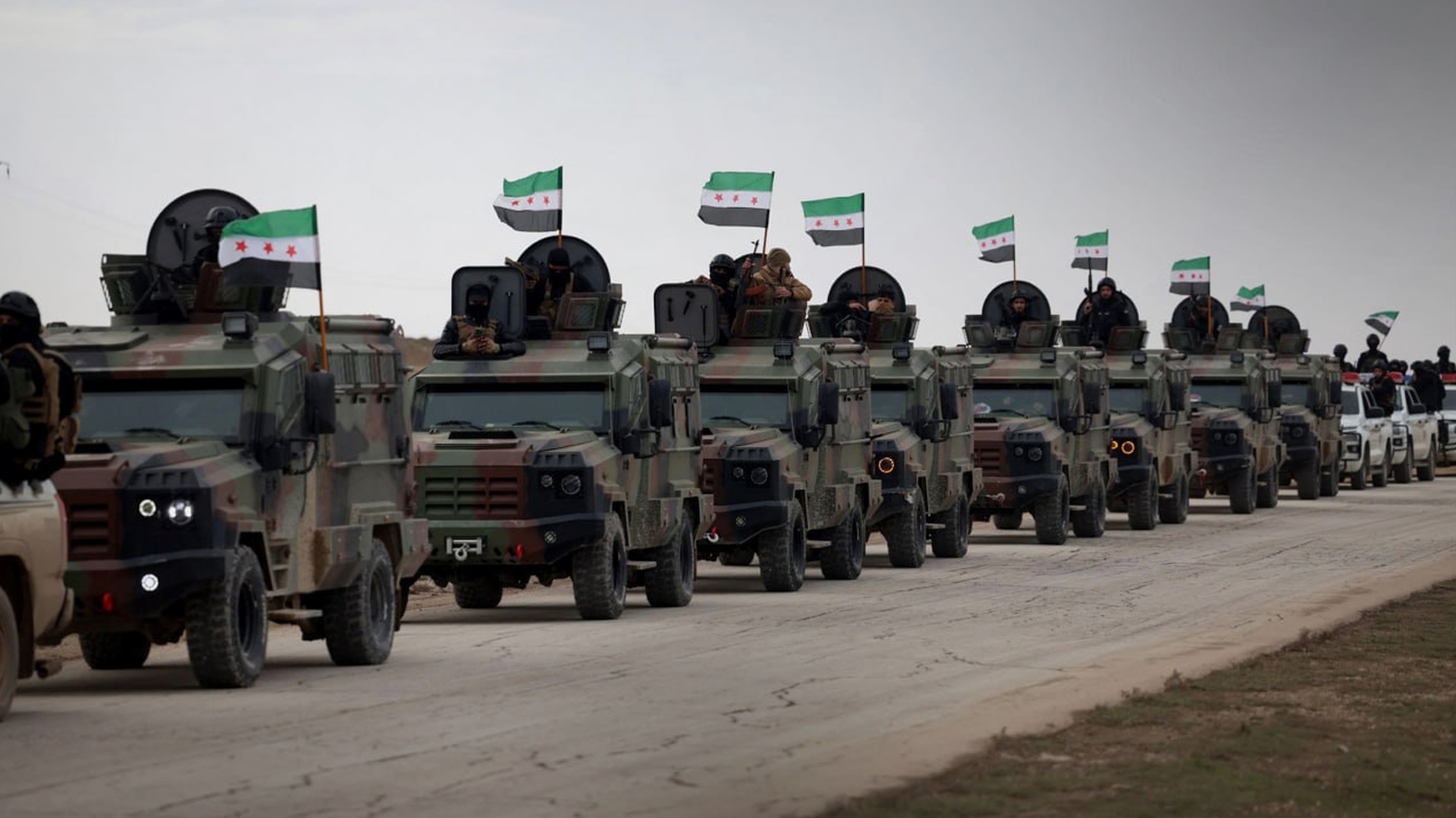
ERBIL (Kurdistan24) - As the security agreement between the Syrian Democratic Forces (SDF) and Damascus moves from paper to practice, a coordinated deployment in Hasakah was met with armed fire, underscoring the fragility of the transition and prompting swift security measures by local authorities.
In the early hours of the agreement’s implementation on the ground, gunfire broke out in Hasakah as internal security forces escorted Syrian government units into the city, triggering an immediate response against what officials described as terrorist cells seeking to destabilize the area.
The Internal Security Forces in Jazira Canton (Al- Hasakah province)announced that while carrying out their duty to secure the entry of Syrian government Internal Security Forces into the city of Hasakah, the convoy came under direct fire from what they identified as terrorist cells.
According to an official statement issued by the General Command of the Internal Security Forces in Jazira Canton, the attack occurred during the implementation of the agreement concluded between Damascus and the Syrian Democratic Forces.
The statement said the armed assault was aimed at undermining security and stability and spreading chaos in the region. In response, the Internal Security Forces moved immediately and “responsibly” to secure the safety of the convoy and protect civilians in the surrounding area. The forces engaged the source of the fire and pursued the terrorist cells involved in the attack.
The operation resulted in the arrest of a number of individuals linked to those cells, while investigations remain ongoing.
As a precautionary measure and to prevent any potential threat to civilians, the Internal Security Forces imposed a temporary curfew in the area. The statement said the curfew was intended to block the movement of terrorist cells and prevent them from exploiting the situation to disrupt security.
According to the statement, the measures were implemented with high discipline and responsibility and contributed to the successful completion of the mission without recording any harm or injuries among civilians.
The Internal Security Forces confirmed that one of their fighters was wounded during the operation while performing his duty to protect security and stability, and that he is currently receiving the necessary medical treatment.
The statement concluded by reaffirming the Internal Security Forces’ commitment to carrying out their duties “with firmness and responsibility,” continuing to pursue anyone attempting to undermine security, and adhering to the agreements in place to protect public safety and stability.
From the Syrian government side, the Syrian Ministry of Interior announced on its official page that, as part of the continued implementation of the agreement between the Syrian government and the SDF, Interior Ministry units are preparing to enter the city of Qamishli in the countryside of Hasakah province to apply the agreement’s provisions and begin their security duties.
The incident comes amid a phased security transition outlined in the agreement between Damascus and the Syrian Democratic Forces.
On Monday, Syrian Ministry of Interior forces entered Hasakah as part of the deal’s implementation. Marwan Ali, who assumed the role of Director of Hasakah Security, said the deployment was carried out strictly within the framework of the agreement.
“We have arrived in accordance with an agreement, and together we will protect the stability of the region,” Ali said, stressing that implementation would proceed gradually and that “all articles of the agreement will be implemented step-by-step.”
He emphasized that the Interior Ministry forces would work jointly with the SDF-affiliated internal security forces, the Asayish, stating: “In coordination with the internal security (Asayish) affiliated with the SDF, we will protect the area together.”
Syamand Afrini, the newly appointed Deputy Director of Hasakah Security nominated by the SDF, separately confirmed that the entry of Syrian internal forces into Hasakah was fully coordinated and occurred without tensions or complications between the two sides.
Similar coordinated movements have taken place in Kobani, where a convoy of twenty vehicles entered the city earlier, and preparations are underway for a comparable deployment in Qamishli.
The agreement, as detailed by SDF General Commander Mazloum Abdi, stipulates that the Asayish will be integrated into the Syrian Ministry of Interior to protect city centers, while the regular Syrian Army will not enter Kurdish cities or villages. It also provides for the integration of SDF forces into the Ministry of Defense, the lifting of the siege on Kobani, and the formalization of Kurdish-language education, with the United States and France identified as political guarantors.
The gunfire incident in Hasakah highlights the challenges facing the early stages of the SDF–Damascus security arrangement, even as both sides reaffirm coordination, phased implementation, and a shared commitment to preventing instability during a delicate transition.