Second Phase of Syria-Kurdish Security Pact Implemented in Hasakah
Two phases of the Syrian government–SDF agreement have been implemented in Hasakah, including troop redeployments and defined SDF zones, as the new governor formally assumes office and security shifts move into action.
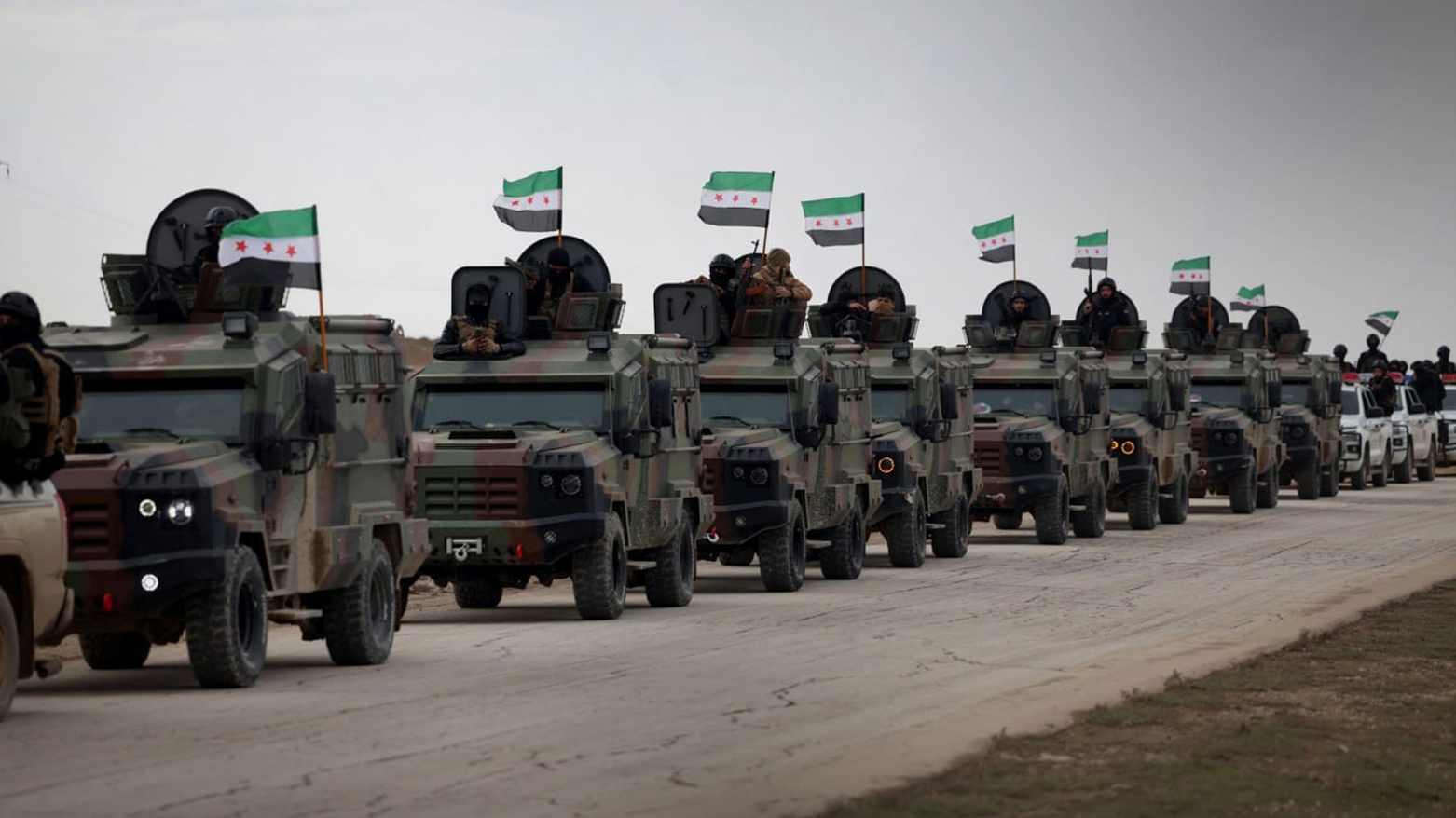
ERBIL (Kurdistan24) - In the streets of Hasakah, where the echoes of negotiations are now turning into visible movement, the second phase of the agreement between the new Syrian government and the Syrian Democratic Forces is being carried out, signaling a transition from signatures on paper to changes on the ground.
Following the signing of a fourteen-point agreement between the new Syrian government and the Syrian Democratic Forces (SDF), the situation in Hasakah is moving toward stability. According to available information, two phases of the agreement have already been implemented, and all measures are scheduled to be completed within one month.
Akram Saleh, Kurdistan24 correspondent in Hasakah, reported that the city’s situation is normal and that both the first and second phases of the agreement between the two sides have been implemented. In the first phase, forces entered Qamishli. In the second phase, forces affiliated with the Syrian government withdrew from inside the city to the locations designated for them under the agreement.
Regarding the military positioning of the Syrian Democratic Forces, the Kurdistan24 correspondent stated that the SDF will remain within the framework of three brigades in Kobani and Hasakah, particularly in Mount Kawkab, the ministerial complex area, Tal Baytar, which previously hosted US forces, and Mount Abdulaziz.
Concerning the issue of Syrian flags and Kurdistani Flag in the city, Akram Saleh said that only the Syrian flag has been raised on the rooftop of the Hasakah Governorate building, while in the square in front of the building, the Kurdistan flag was placed and displayed by citizens.
On the administrative front, a new chapter opened as the newly appointed Kurdish governor, Noureddin Issa, formally assumed his post while a high-level delegation from the Syrian Interior Ministry met with the province’s administration. A Kurdistan24 correspondent reported that the new governor officially began his duties on Saturday, exercising full authority and assuming responsibility for managing the province’s affairs.
This development coincided with the entry of internal security units affiliated with the Syrian Interior Ministry into Hasakah under the agreement reached between the Syrian government and the Syrian Democratic Forces. A senior official from the SDF-affiliated internal security forces in Hasakah confirmed that the deployment was carried out based on prior coordination and in accordance with the signed agreements, stressing that the operation was conducted smoothly without any tensions or friction between the two sides. The step aims to unify security efforts and reinforce stability in the city in a manner that serves the public interest of residents.
The developments come as Damascus and the Syrian Democratic Forces begin phased implementation of their agreement in Hasakah. The Operations Command of the Syrian Arab Army said it launched the first field steps after a joint meeting and field tour in the province, attended by a senior delegation and several officers who met with SDF representatives in what was described as a “positive atmosphere.”
According to the command, the purpose was to begin the field implementation of the agreement between the Syrian state and the SDF, with both sides setting specific timelines to activate its clauses in the coming days. The agreement includes the withdrawal of forces from civilian areas to designated military points, the reopening of roads and removal of barriers, coordination and cooperation in demining operations, and accelerating the process of integration between the forces. The command said these measures represent an important turning point aimed at achieving greater stability in northeastern Syria.
With two phases already in effect and a full timetable set, Hasakah now stands at the center of a gradual security and administrative transition shaped by coordination, defined roles, and step-by-step implementation.