KDP, PUK Delegations to Meet on Federal and Regional Cabinets Formation
MP Abdullah rejected the notion that the current deadlock in Iraq’s political process is limited to the Kurdish disagreement over the presidency, noting that Shiite political forces are also divided over the nomination for prime minister.
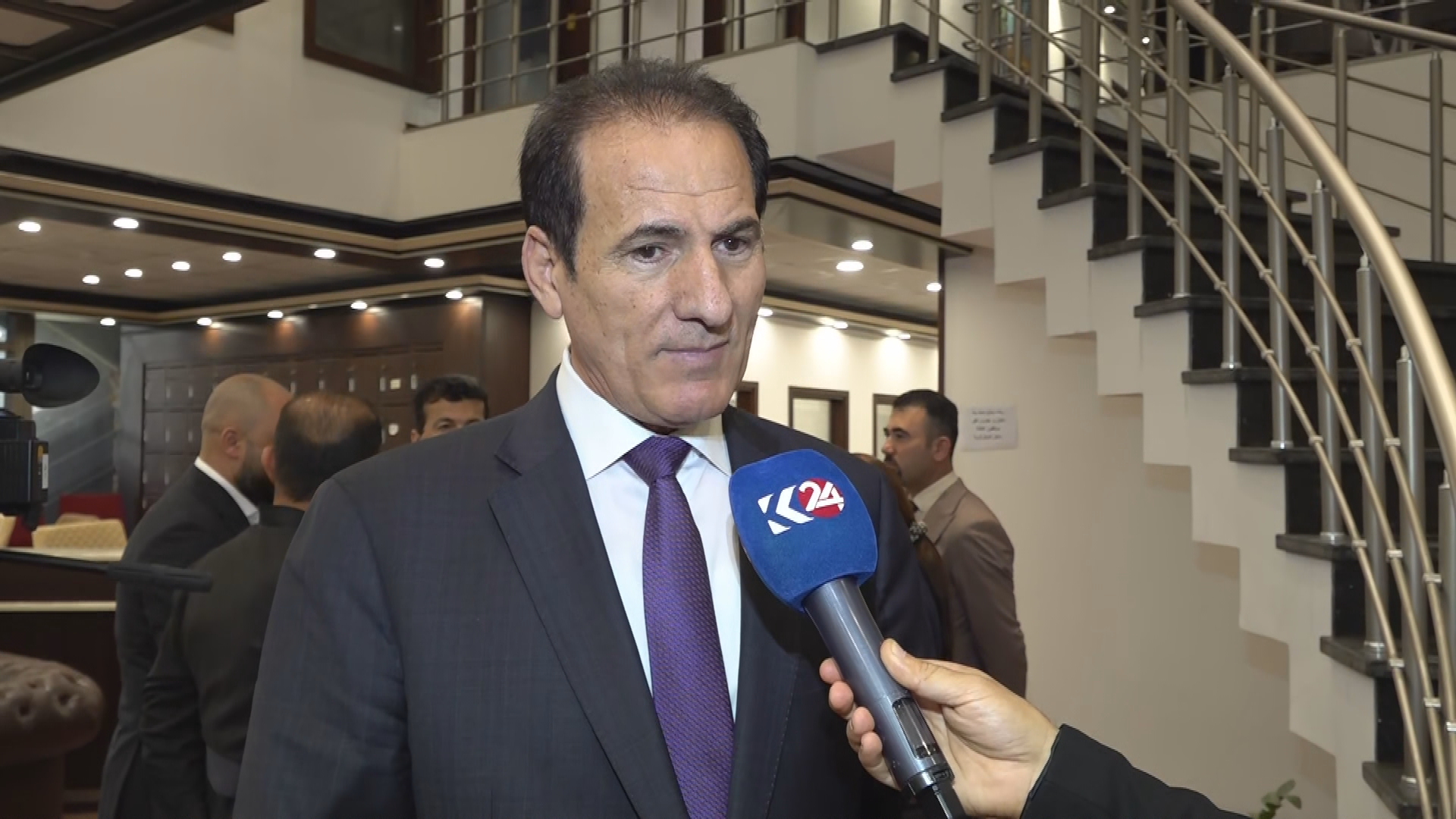
ERBIL (Kurdistan24) — Hareem Kamal Agha, head of the Patriotic Union of Kurdistan's (PUK) faction at the Iraqi parliament, told Kurdistan24 on Monday that delegations from the PUK and the Kurdistan Democratic Party (KDP) are set to meet on Wednesday to discuss the formation of the next Kurdistan Regional Government (KRG) cabinet and electing Iraq's president.
Agha said the meeting will focus on unresolved political issues related to nominating a candidate for Iraq’s presidency, as well as the formation of the federal and regional cabinets, including power-sharing arrangements and coordination between the two main Kurdish parties.
In additional remarks, Agha noted that if the PUK and KDP reach an agreement, the Iraqi parliament is expected to convene on Thursday to elect a new president.
Senior figures from the KDP have also stressed that multiple rounds of talks are underway to resolve disputes over both the Iraqi presidency and the premiership. They emphasized that without a prior political agreement, even convening a parliamentary session would not be sufficient to elect a president.
Speaking to reporters on Monday, Shakhawan Abdullah, head of the KDP parliamentary bloc in Iraq’s Council of Representatives, said that decisions on the timing and mechanism of any parliamentary session to elect the president and prime minister are made outside parliament, underscoring the central role of political negotiations behind the scenes.
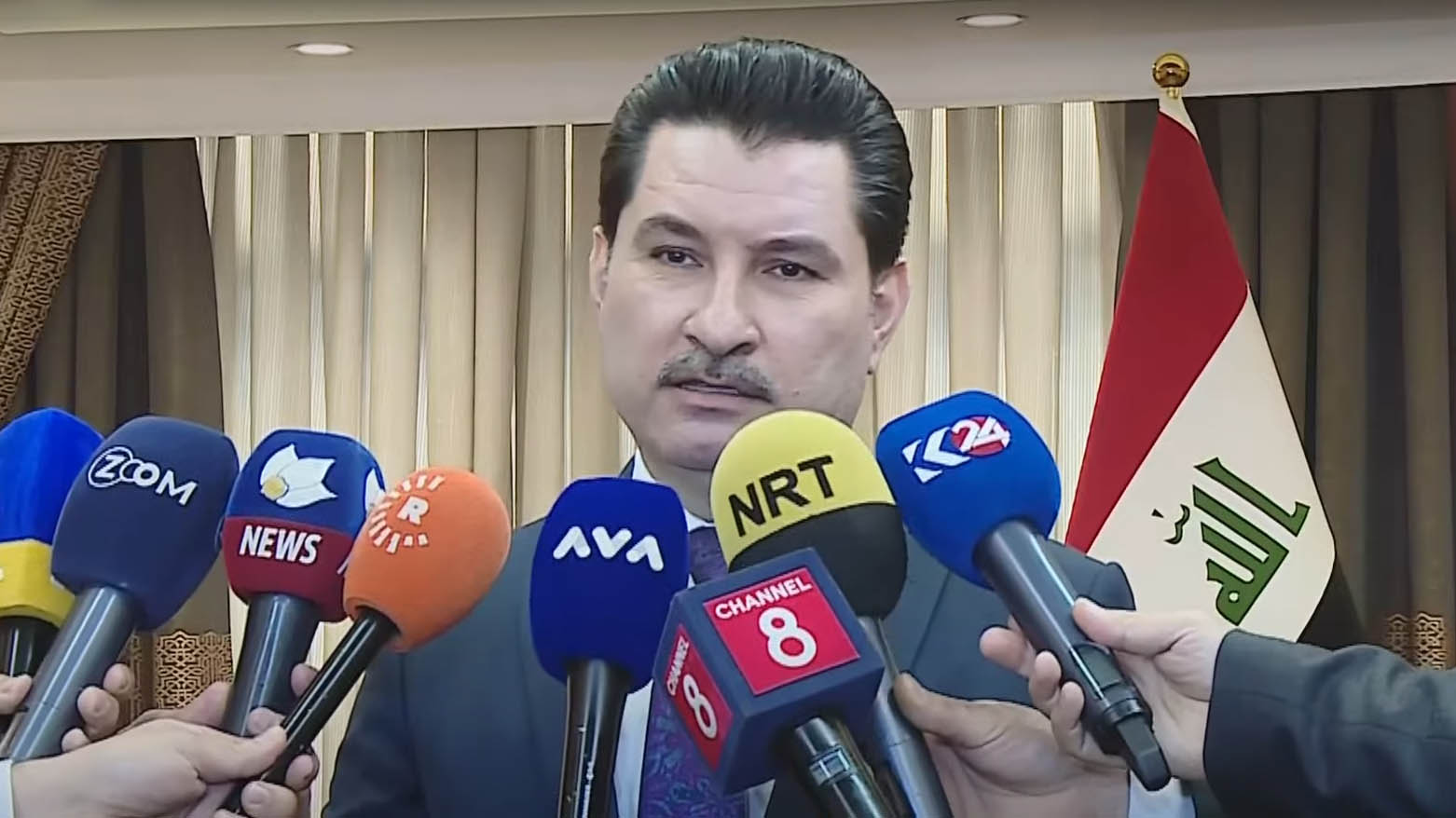
Abdullah rejected the notion that the current deadlock in Iraq’s political process is limited to the Kurdish disagreement over the presidency, noting that Shiite political forces are also divided over the nomination for prime minister. He said the crisis reflects broader structural disputes across Iraq’s political landscape rather than a single point of contention.
He added that, in recent weeks, several meetings have taken place among the State Administration Coalition, as well as bilateral talks between the KDP and the PUK. Abdullah revealed that further meetings are planned not only between the two Kurdish parties but also involving Iraqi political forces, to reach a comprehensive agreement on both top posts.
According to Abdullah, political blocs are keen to finalize an agreement before any parliamentary session is held, warning that without consensus, parliament would once again fail to elect a president, prolonging the political stalemate.
Meanwhile, KDP lawmaker Sherwan Dubardani told Kurdistan24 that the challenges are not confined to Kurdish politics, pointing to serious divisions within the Shiite Coordination Framework over the possible nomination of former Prime Minister Nouri al-Maliki for the premiership.
He said these internal Shiite disagreements have a direct impact on the presidential election process, given that under Iraq’s constitution, once a president is elected, only 15 days are allowed to task the largest parliamentary bloc with forming a new government.
These overlapping disputes, analysts say, continue to complicate efforts to break the political deadlock, leaving Iraq’s government formation process heavily dependent on fragile inter-party compromises at both the Kurdish and federal levels.
The KDP and PUK, the Kurdistan Region’s two dominant political parties, have traditionally governed through power-sharing arrangements. However, differences over internal governance, relations with Baghdad, and key sovereign posts—particularly the Iraqi presidency, have complicated the relationship.
The delay in forming the KRG cabinet has coincided with wider political paralysis at the federal level, including disputes over oil revenues, budget transfers, and the completion of Iraq’s constitutional entitlements. Analysts say a unified Kurdish position is crucial for safeguarding the Kurdistan Region’s interests in Baghdad and ensuring political stability.
Observers view the upcoming PUK–KDP meeting as a potentially decisive moment, not only for the formation of the next KRG cabinet but also for unlocking Iraq’s stalled presidential election and easing the broader political impasse.