Central Bank of Iraq Highlights PM Barzani’s Leadership in Digital Transformation at e-Psûle Launch
Ali Al-Allaq praises the KRG’s strategic initiative toward a unified digital payment system.
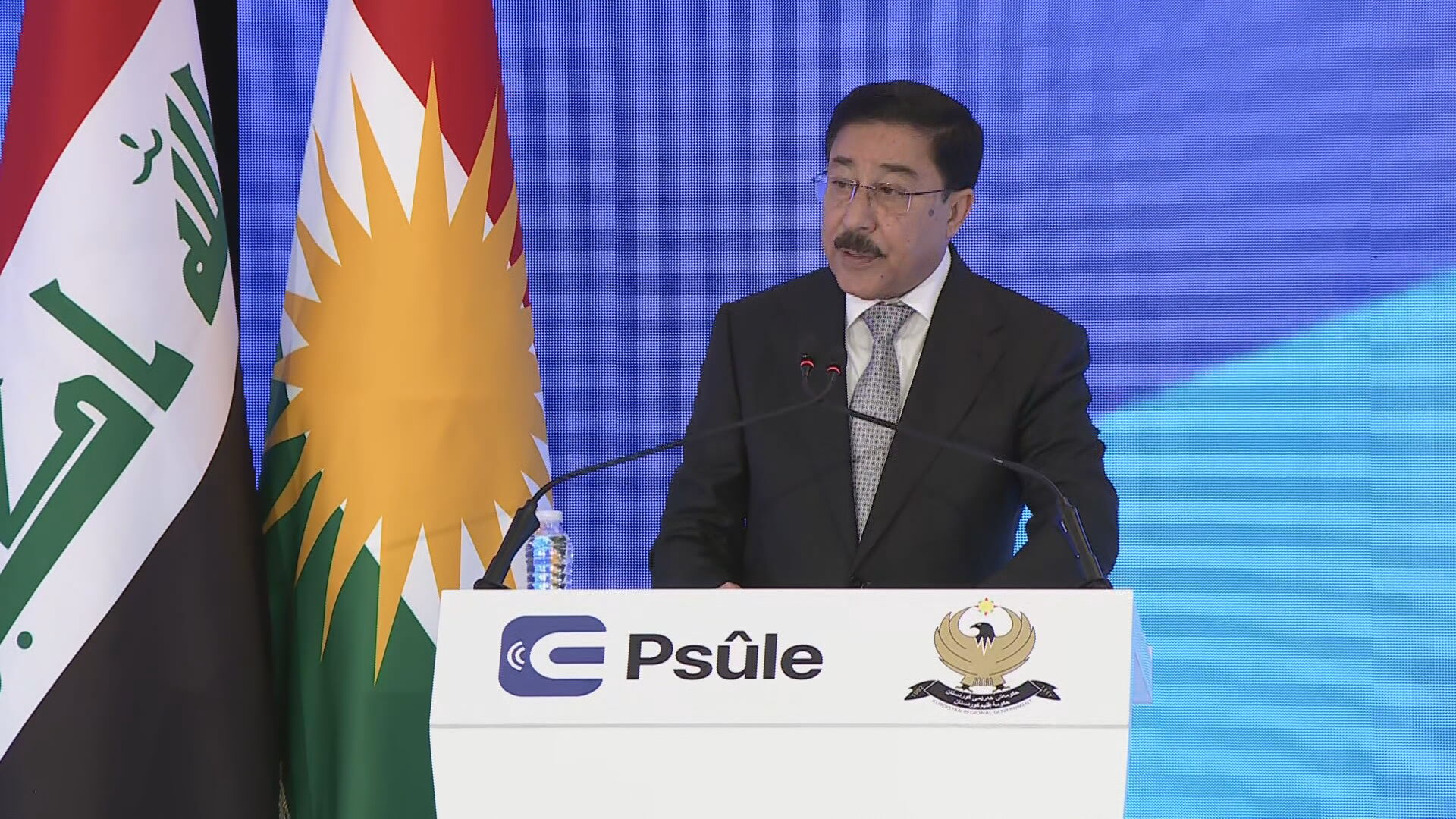
ERBIL (Kurdistan24) — The Central Bank of Iraq on Tuesday lauded the leadership of Kurdistan Region Prime Minister Masrour Barzani in advancing digital government services during the official launch of e-Psûle, a unified electronic payment platform. The remarks came as officials emphasized the project’s strategic importance for both the Kurdistan Region and Iraq as a whole.
Ali Al-Allaq, Governor of the Central Bank of Iraq, highlighted PM Barzani’s hands-on approach, saying: “The Prime Minister personally supervises these reforms, monitors their progress, and ensures they move in the right direction. His daily oversight guarantees cooperation and coordination across the Kurdistan Region within this framework.”
The Central Bank’s comments came during its participation in the e-Psûle launch, where Al-Allaq described the initiative as a strategic step toward a digital economy that will serve both Iraq and the Kurdistan Region.
He added, “Everyone now understands that handling transactions with cash alongside complex economic demands is no longer sustainable. Establishing a secure and transparent electronic financial system is essential to restoring citizens’ confidence in the banking sector.”
Al-Allaq underscored the central role of the bank in guiding citizens in using the new banking and payment system safely. “The launch of e-Psûle introduces a new tool that complements other digital payment methods. It is an important starting point and a practical step toward improving banking and financial infrastructure,” he said.
He further emphasized that the project represents a model for improving collaboration between the public and private sectors while adapting to global financial transformations.
“We fully support all initiatives implemented in the Kurdistan Region. Electronic payments are not just an option—they are a necessity for increasing transparency and financial capacity across the country,” Al-Allaq added.
In closing, the Central Bank highlighted ongoing cooperation with the Kurdistan Region to develop a unified, secure digital system across Iraq, reflecting a commitment to modernizing financial services and enhancing citizen trust in public institutions.
Developed and fully owned by the KRG, e-Psûle provides a secure, centralized system for paying government bills electronically, operating 24 hours a day, seven days a week, with no additional fees or commissions charged to users.
According to officials, the platform allows citizens to settle bills quickly and securely through multiple digital channels, eliminating the need for in-person, cash-based payments that have long characterized public service delivery in the region.
For decades, government bill payments in the Kurdistan Region relied heavily on physical cash collection and office visits, often resulting in long queues, high administrative costs, and inefficiencies for both citizens and government institutions. As demand for faster, more transparent public services has grown, these legacy systems have become increasingly unsustainable.
e-Psûle addresses these challenges by enabling citizens to view and pay bills instantly through mobile applications, participating digital wallets, and partner banks. Payments are processed securely and transparently, with digital receipts issued immediately and stored for future reference.
The system has initially been integrated with the Ministry of Electricity, with Runaki electricity billing now available online. Officials said the electricity sector was prioritized to ensure wide public adoption and demonstrate the platform’s core functionality in a high-demand service area.
KRG officials emphasized that e-Psûle is designed to put citizens fully in control of their payments. Transactions are initiated solely by users, with no automatic deductions from bank accounts or wallets, ensuring explicit consent at every step. The platform applies zero transaction fees regardless of the payment channel used.
Transparency is a central feature of the system. Bills are displayed in full upfront, charges are itemized using standardized terminology, and users can access historical payment records at any time. Where supported by billers or payment providers, citizens can also pay on behalf of others or make batch payments, adding flexibility within a secure digital framework.