Iraq’s Federal Court Upholds Customs Tariff Hike Amid Widening Trade Protests
Economists Warn of 50% Trade Decline as Markets Shut Down Across Major Cities.
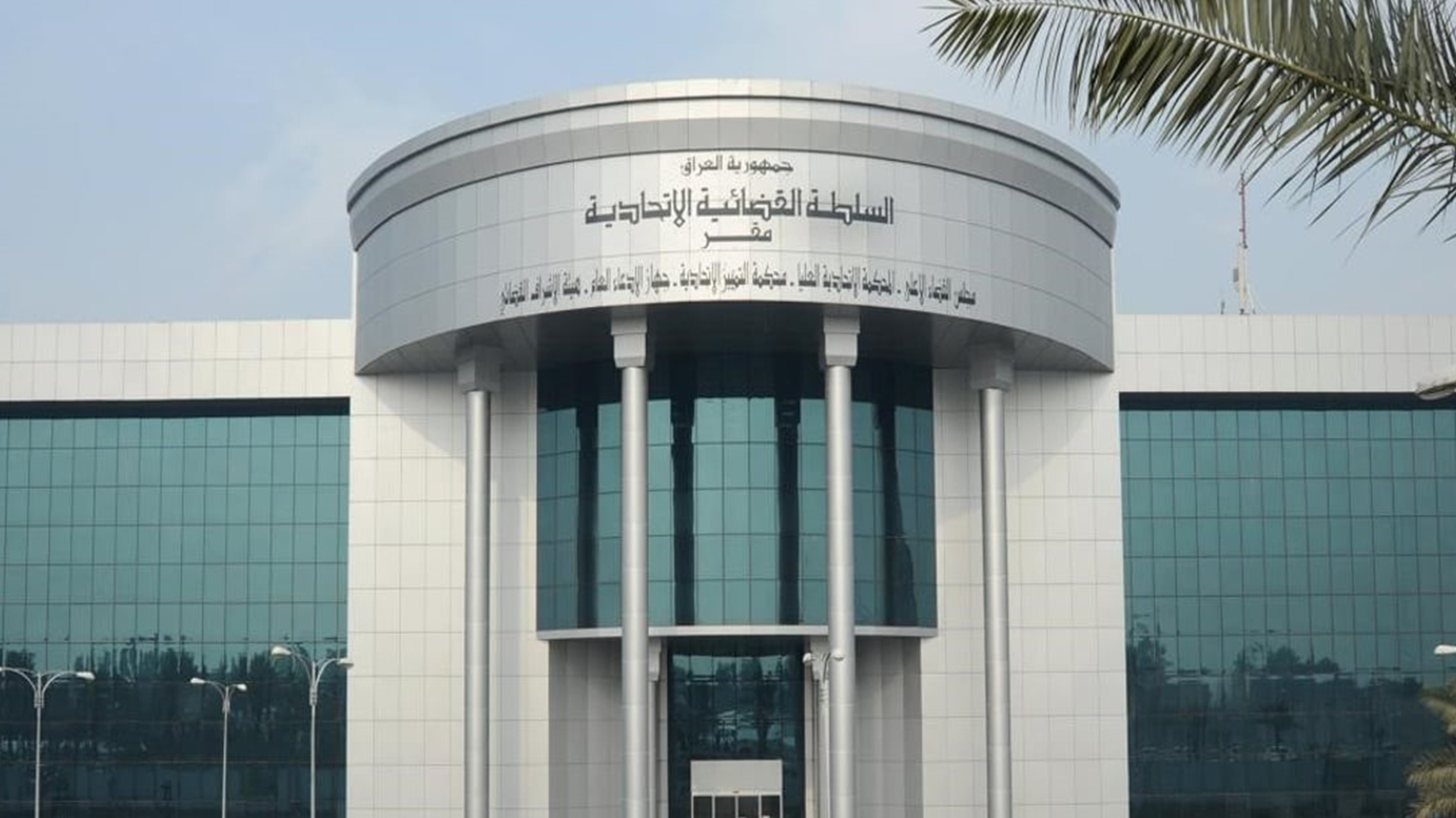
ERBIL (Kurdistan24) — The Iraqi Federal Supreme Court on Wednesday issued its final ruling on a legal challenge filed against the recent increase in federal customs tariffs, rejecting the appeal in a decision that comes amid mounting economic concerns and widespread market protests.
Iraqi lawmaker Mohammed al-Khafaji announced that the court dismissed the lawsuit challenging Decision No. 957, which pertains to raising customs duties. According to Khafaji, the court rejected the case due to the “absence of legitimate interest,” a position later confirmed by a judicial source to local news agencies.
The ruling follows a wave of protests and general strikes by traders and shop owners across Baghdad and several central and southern provinces. Starting Feb. 8, markets in multiple cities shut down as merchants objected to the tariff increases, arguing that higher customs fees have sharply raised import costs, weakened commercial activity, and imposed additional financial burdens on citizens.
Economic expert Nabil al-Marsoumi described the situation as alarming, warning that the implementation of the ASYCUDA customs automation system alongside the tariff hikes has led to a 50% decline in Iraq’s trade volume with the world.
He further noted a drop in customs revenues of 71 billion dinars in a single month, while cautioning that the livelihoods of more than one million traders and millions of workers employed across 350,000 commercial enterprises are at risk.
The Iraqi government has imposed customs tariffs ranging between 5% and 30%, covering approximately 16,400 tariff categories. In response to public backlash, the Ministry of Finance issued guidance reducing the average import valuation within the ASYCUDA system by 25%, in what officials described as an effort to ease the financial strain.
Nevertheless, unrest has intensified in recent days. Markets in Baghdad, Mosul, Kirkuk, and Basra came to a standstill as merchants lowered shutters and staged demonstrations. In Mosul, most shops in the city center were closed, halting buying and selling in an unusual scene for the commercial hub.
Traders cited dramatic increases in import costs, with some reporting that the price of clearing a single shipping container surged from around five million dinars to as much as 60 million dinars.
In Basra, Iraq’s primary commercial gateway, wholesalers said customs fees per container arriving through the ports rose from three million dinars to as high as 35 million dinars. Containers have reportedly remained stalled at Umm Qasr Port due to new procedures and elevated charges, prompting the Iraqi Traders Association to call for an open-ended nationwide strike and demand the immediate release of goods.
Traders argue that the measures are contributing to soaring prices of essential goods, eroding purchasing power, and increasing pressure on low-income families already grappling with delayed salaries and reduced allowances. Critics have also accused the government of prioritizing austerity measures over tackling corruption, smuggling networks, and financial mismanagement at border crossings.
Rashid al-Saeedi, a member of the Baghdad Chamber of Commerce’s administrative council, last week warned that protests could escalate further if authorities fail to reverse the decision.
Economists are urging the government to urgently convene talks with chambers of commerce to reach a balanced solution that safeguards state revenues while preserving market stability.
Observers warn that without swift policy adjustments and meaningful dialogue, continued market closures could deepen Iraq’s fragile economic crisis and further widen the gap between the state and its citizens.