Iran Warns of “Widespread War” if Attacked, Keeps Nuclear Talks Limited to Atomic File
Senior officials caution U.S. and Israel against military action while signaling conditional openness to diplomacy.
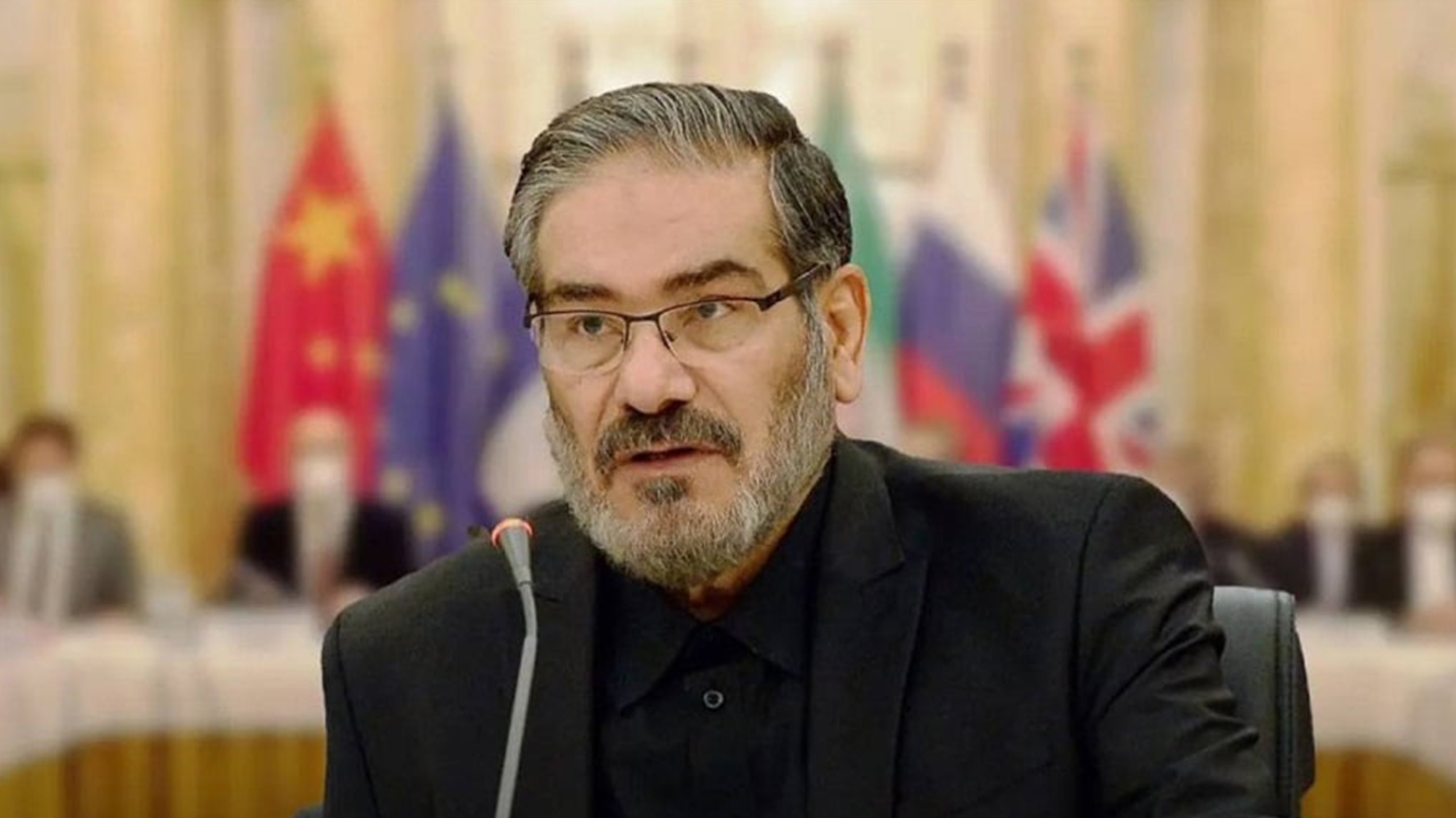
ERBIL (Kurdistan24) — Senior Iranian officials on Wednesday issued stark warnings to the United States and Israel, declaring that any military strike on Iran would trigger a broad regional war, while simultaneously signaling that diplomatic efforts to ease escalating tensions remain ongoing.
Ali Shamkhani, senior advisor to Iran’s Supreme Leader, said any military attack against Iran — even if limited in scope — would mark the beginning of a wide-ranging conflict that would not remain confined to a specific geographic area.
He warned that such a war would disrupt global energy supplies and cautioned that Tehran’s response would be swift, targeting Tel Aviv and all parties supporting any potential assault.
Iranian armed forces commanders echoed the warning, emphasizing that any move by the United States would be treated as a formal declaration of war.
At the same time, Tehran underscored that diplomatic channels remain active. Ali Larijani, Secretary of Iran’s Supreme National Security Council, conducted a series of diplomatic visits to Muscat and Doha during the past few days.
He described his talks with Omani officials as constructive and said indirect negotiations with the United States had been “relatively positive,” noting that Washington appears interested in reaching a solution, though he stressed it is still too early for a final judgment.
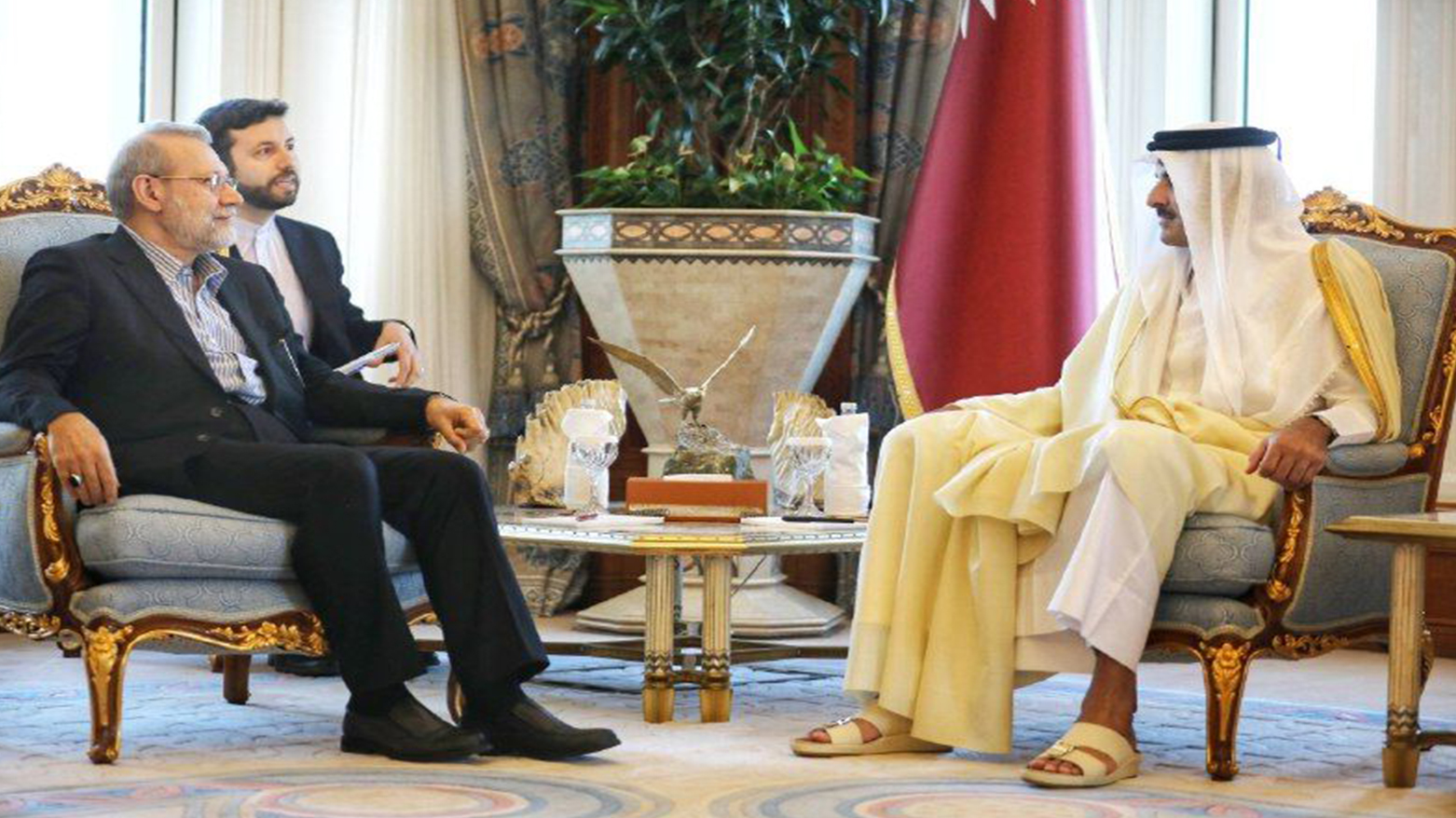
Within the same framework, Larijani met with Qatar’s Emir Sheikh Tamim bin Hamad Al Thani to discuss mechanisms for reducing regional tensions. The meeting took place at the Amiri Diwan palace on Wednesday during the second leg of Larijani’s regional tour, aimed at strengthening bilateral relations and expanding dialogue on regional and international developments, according to the Islamic Republic News Agency (IRNA).
During his most recent remarks, Iran’s Foreign Minister Abbas Araghchi also reaffirmed Tehran’s long-standing position, stating that Iran has never negotiated over its missile capabilities and will not do so in the future.
Earlier on Wednesday, Foreign Ministry spokesperson Esmaeil Baqaei elaborated on Iran’s stance during a press conference, indicating that Tehran is prepared to engage in discussions regarding uranium enrichment levels and stockpile quantities — provided that Iran’s international rights are respected. However, he stressed that any negotiations with the United States would be strictly limited to the nuclear file.
“Our negotiations with the United States concern only nuclear weapons and Iran’s nuclear program,” Baghaei said, acknowledging significant obstacles in the diplomatic process. He pointed to “historic mistrust” between Tehran and Washington, explaining that this legacy has required diplomatic steps to be taken with caution.
Baqaei added that Iran is willing to discuss enrichment levels as part of efforts to reach an understanding that safeguards national interests.
Tehran’s dual-track message — combining firm military warnings with conditional openness to diplomacy — comes as the region awaits the outcome of indirect talks between Iran and the United States aimed at preventing a broader military confrontation.