Kobani Official Warns of ‘Dangerous Health Phase’ as Siege and Shortages Persist Despite Deal
Mazgin Khalil says Kobani faces a severe health crisis amid ongoing shortages and a continued siege, as the UN reports persistent humanitarian challenges despite reduced fighting.
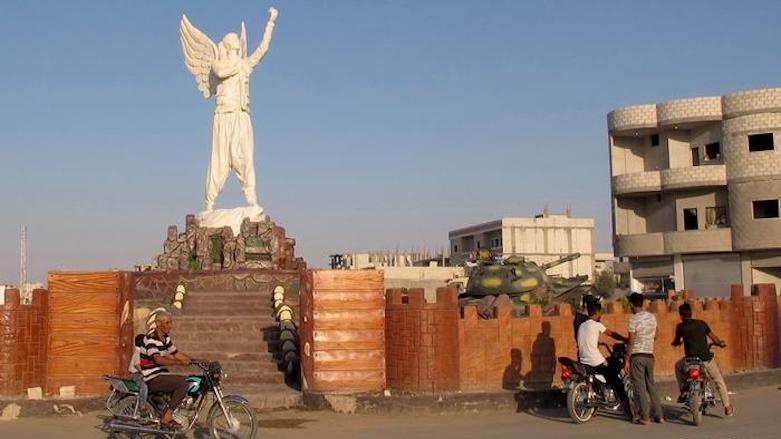
ERBIL (Kurdistan24) - As international officials point to a decline in fighting following recent agreements in Syria, local authorities in Kobani warn that the city remains trapped in a worsening health and humanitarian crisis, with medical shortages, displacement, and failing services continuing to burden residents.
On Sunday, Mazgin Khalil, Deputy Co-Chair of the Autonomous Administration in Kobani, told Kurdistan24 that the city is facing a dangerous stage in terms of healthcare.
“Kobani is in a dangerous health phase; hospitals and pharmacies are suffering from shortages of medical supplies and medicines for chronic diseases,” Khalil said.
She further noted that the city lacks specialist doctors and that, due to the ongoing siege, patients are unable to travel to other Syrian provinces to receive treatment.
Responding to statements by Syrian government officials claiming that the siege on the city had been lifted, the Deputy Co-Chair rejected those assertions and stressed that the blockade remains in place. She said that the entire population of the area continues to live under severe livelihood conditions.
“Although some aid has reached Kobani, we are unable to meet all needs with that assistance,” she added.
In another part of her remarks, Khalil referred to the agreements between the Syrian Democratic Forces (SDF) and Damascus, stating that the Kobani administration has demonstrated its readiness to reorganize institutions and reintegrate into the general security framework. However, she said the Syrian government has been slow and negligent in implementing the steps outlined in the agreement.
On Feb. 10, 2026, the United Nations warned of severe humanitarian conditions in Kobani despite a measurable decline in fighting following the Jan. 30 agreement between the SDF and the government in Damascus.
UN spokesperson Stéphane Dujarric said that although clashes and killings have decreased across the country, the humanitarian situation remains severe, particularly in Western Kurdistan. Nearly 160,000 people remain displaced across Aleppo, Hasakah, and Raqqa provinces.
In Kobani, the UN noted that water and electricity systems are not fully operational, significant gaps persist in humanitarian services, and in most parts of the city education and school attendance remain suspended.
On Feb. 5, a delegation from the Kobani Local Administration visited Aleppo at the invitation of the deputy governor to discuss regional developments and conditions in the city. During that meeting, the deputy governor pledged to withdraw military forces and lift the siege, but no practical steps were taken.
The administration also rejected attempts to change the city’s official name from Kobani to Ayn al-Arab, describing such moves as unacceptable.
Meanwhile, the Syrian Observatory for Human Rights told Kurdistan24 that Kobani’s humanitarian situation has significantly deteriorated and that the city can no longer absorb the large influx of internally displaced persons. Local sources reported that thousands of displaced families are living in harsh conditions, facing severe shortages of food, clean drinking water, and medicine. The spread of diseases, particularly among children, has increased due to the lack of milk and essential medical supplies.
Kobani is known for its historic resistance against ISIS. The Battle of Kobani began on Sept. 13, 2014, and ended on Jan. 26, 2015, after 134 days of intense fighting, marking the first major territorial defeat of ISIS after it declared its so-called “caliphate” in 2014.
Despite formal agreements and reported declines in violence, local officials in Kobani say the city continues to endure a deepening humanitarian and health crisis, with residents awaiting tangible improvements on the ground.