Iran–U.S. Nuclear Talks Conclude in Geneva Amid Heightened Tensions
“The second round of indirect negotiations between Iran and the U.S. held in Geneva ended,” reported ISNA, with other outlets carrying similar statements.
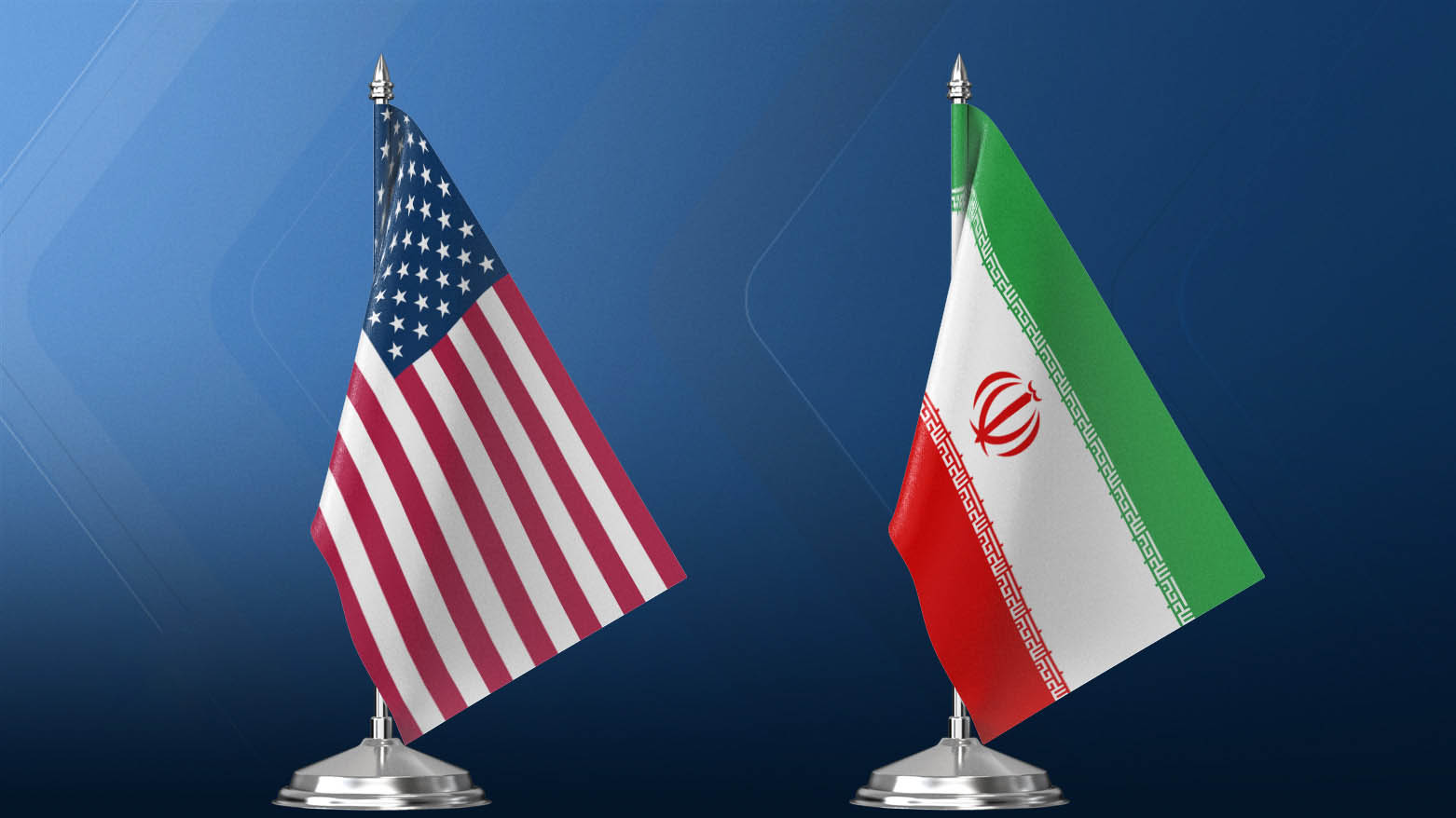
ERBIL (Kurdistan24) – Talks between Iran and the United States held Tuesday in Geneva have concluded, according to Iranian media, marking the end of a second round of indirect negotiations focused on Tehran’s nuclear program.
“The second round of indirect negotiations between Iran and the U.S. held in Geneva ended,” reported ISNA, with other outlets carrying similar statements. No immediate details were released regarding the progress or outcomes.
The discussions coincided with strongly worded remarks from Iran’s Supreme Leader, Ayatollah Ali Khamenei, who declared that Washington would never succeed in defeating the Islamic Republic. His comments were published on his official X account following a speech in Tehran before thousands of attendees from East Azerbaijan Province.
In the address, Khamenei referenced U.S. military power and indirectly alluded to Donald Trump, citing what he described as American acknowledgment that efforts to eliminate Iran’s political system have failed over decades. He warned that despite advanced weaponry, even the world’s strongest military forces could be struck in ways that render them ineffective.
The speech was delivered on the eve of the anniversary of the Feb. 18, 1978, uprising in Tabriz, an event widely viewed inside Iran as a turning point leading to the 1979 Islamic Revolution. By invoking the historical episode, Khamenei linked present-day tensions with Washington to Iran’s longstanding narrative of resistance to foreign pressure.
Tuesday’s negotiations were widely regarded by analysts as a significant diplomatic test after years of strained relations, particularly since Washington withdrew from the 2015 nuclear agreement and reinstated sanctions. Since then, Western governments have warned that Iran has expanded uranium enrichment beyond previous limits, while Iranian officials maintain their program is strictly civilian.
Observers note that the contrast between Tehran’s tough public rhetoric and ongoing diplomatic engagement underscores the complexity of U.S.–Iran relations, as both sides balance domestic political messaging with strategic negotiations behind closed doors.