US Plans to Deploy More Missile Systems in Philippines as Indo-Pacific Security Concerns Grow
Washington and Manila Deepen Defense Ties as Beijing Condemns Move as Destabilizing in the South China Sea
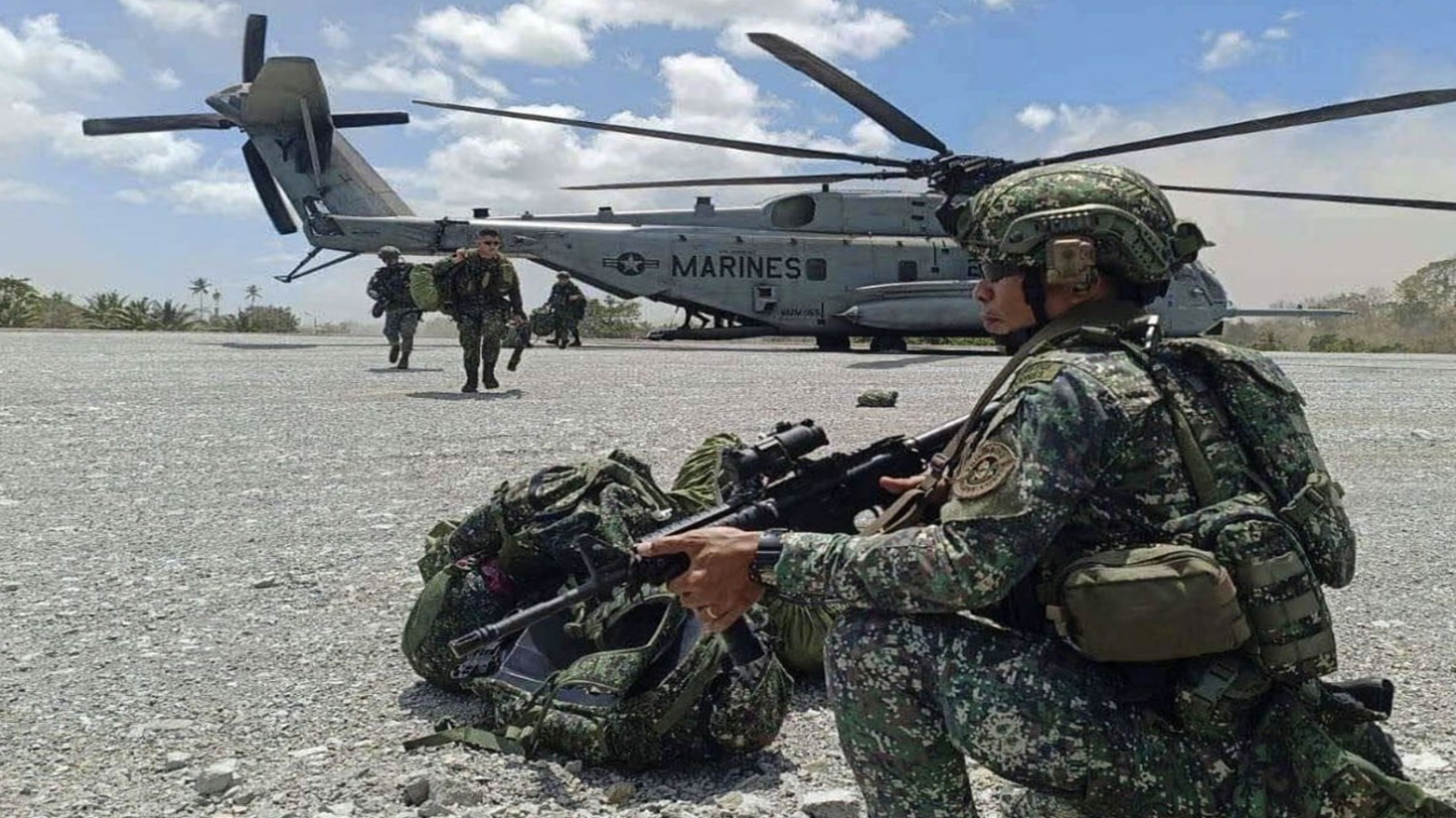
ERBIL (Kurdistan24) — The United States plans to deploy additional advanced missile systems to the Philippines as part of a broader effort to strengthen deterrence against China in the disputed South China Sea, marking a significant escalation in regional military posturing and deepening the long-standing defense alliance between Washington and Manila.
The announcement came after annual bilateral talks in Manila between U.S. and Philippine officials, who issued a joint statement condemning what both described as China’s “illegal, coercive, aggressive and deceptive activities” in the strategic waterway, according to AP.
The discussions focused on deepening defense, security, and economic collaboration while addressing rising regional tensions.
Under the expanded plan, the United States will increase deployments of high-tech missiles and unmanned systems to the Philippines this year. Specific details on the new systems were not disclosed, but officials said discussions included the possible introduction of upgraded interceptors and coastal defense launchers that could later be acquired by the Philippines.
U.S. and Philippine military cooperation already includes deployment of a U.S. mid-range “Typhon” missile system in northern Luzon since April 2024 and an anti-ship launcher known as the Navy-Marine Expeditionary Ship Interdiction System (NMESIS) on Batan Island near the Bashi Channel south of Taiwan. Both systems have remained operational following joint exercises.
Philippine Ambassador to the United States, Jose Manuel Romualdez, said the deployments are meant to bolster deterrence, not provoke any country.
“It’s purely for deterrence,” Romualdez said, adding that "repeated instances of perceived Chinese aggression have reinforced the alliance’s resolve."
The expanded deployments reflect a broader U.S. strategy to reinforce the defense posture of Indo-Pacific partners under the longstanding U.S.–Philippine Mutual Defense Treaty of 1951, which commits both nations to come to each other’s aid in case of armed attack.
The missile systems can significantly extend U.S. and Philippine strike capabilities: the Typhon launcher can fire Standard Missile-6 interceptors and Tomahawk land-attack cruise missiles with ranges over 1,000 miles, theoretically placing parts of China within reach from Philippine territory.
Officials emphasized the expanded framework also includes joint exercises and U.S. assistance to modernize the Philippine military, underscoring Manila’s role in regional security.
Beijing has repeatedly criticized U.S. missile deployments in the Philippines as destabilizing and has demanded their removal, claiming they threaten regional stability and encroach on China’s security interests. China’s foreign ministry and defense officials have called for the withdrawal of such systems.
The Philippine government has rejected those demands, asserting its sovereign right to enhance its defense capabilities amid escalating maritime disputes with China over territory in the South China Sea.
Manila has also taken its case to international courts and steadily increased patrols and coast guard operations in contested waters.
The deployments come amid growing geopolitical competition in the Indo-Pacific, where the South China Sea remains a key flashpoint for freedom of navigation, economic security, and territorial sovereignty.
U.S. and Philippine officials reiterated in their statement that they are committed to preserving lawful commerce and peaceful use of the sea for all nations. They said that bolstering deterrence is essential to maintaining stability and security in a region crucial to global trade and maritime routes.