Yazidi Kurds Celebrate Khidr Elias Festival, a Tradition of Reconciliation and Environmental Protection
Yazidis are celebrating Khidr Elias, an ancient religious festival marked by fasting, pilgrimage, preparation of the symbolic dish Pekhun, and a ban on animal slaughter, emphasizing reconciliation and environmental respect.
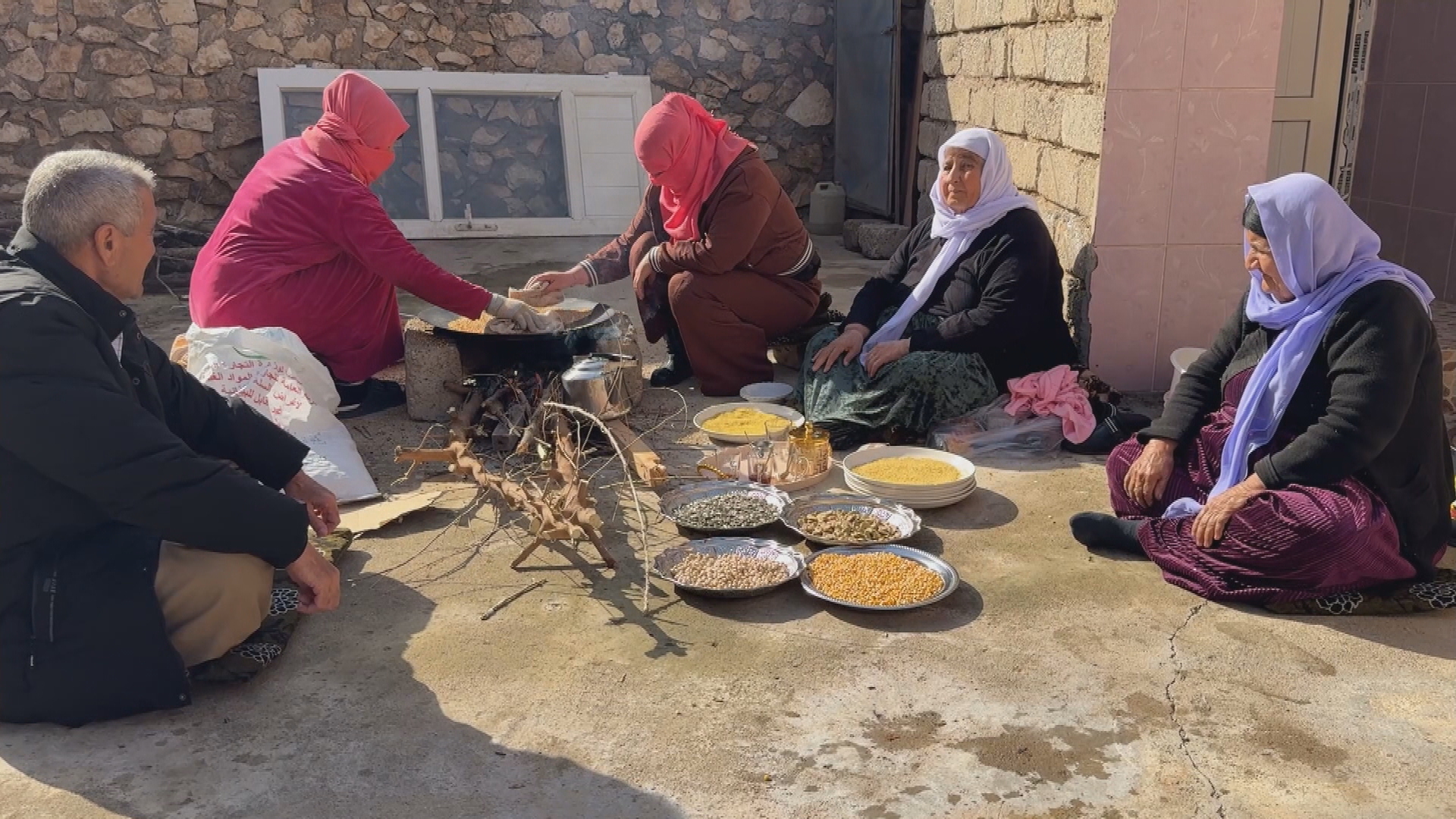
ERBIL (Kurdistan24) - Yazidi Kurds in the Kurdistan Region and across the diaspora are celebrating Khidr Elias, one of the most ancient and spiritually significant festivals in the Yazidi faith, marked by fasting, prayer, and traditions centered on love, forgiveness, and environmental protection.
The Khidr Elias festival is one of the oldest religious observances among the Yazidis, a Kurdish-speaking religious minority with a distinct monotheistic faith rooted in ancient Mesopotamian traditions.
The festival is dedicated to Khidr Elias, a revered spiritual figure in Yazidi belief associated with hope, divine assistance, and the fulfillment of wishes. Among Yazidis, the occasion symbolizes reconciliation, compassion, and the realization of long-awaited prayers.
Fasting and Pilgrimage Rituals
The celebration begins with three days of fasting. During this period, believers refrain from food and drink during daylight hours as an act of spiritual devotion.
Many families also visit shrines dedicated to Khidr Elias, where they offer prayers and make personal supplications. These visits are considered essential to the spiritual meaning of the festival.
A Yazidi religious cleric explained that another distinctive practice accompanies the holiday: for seven days, families refrain from washing clothes or household fabrics. This act symbolizes respect for the sacredness of the days and preserves the spiritual atmosphere of the celebration.
Preparing “Pekhun”: A Symbolic Dish
One of the most recognizable traditions associated with Khidr Elias is the preparation of a special food called “Pekhun,” also known as “Charkhoos.”
In the village of Khatara in the Kurdistan Region, a more than 50-year-old grain mill operates specifically for this occasion. Each year before the festival, villagers bring seven different types of grains to be ground together. The number seven holds symbolic importance in Yazidi belief.
The mixed flour is then used to prepare Pekhun, which is shared among families and neighbors. The dish represents unity, collective participation, and continuity of tradition.
“It is an old tradition, and every year at this time we come here for preparations,” one local resident said to Kurdistan24.
A Ban on Animal Slaughter
A defining feature of the Khidr Elias festival is the complete prohibition of animal slaughter during the celebration. Unlike many religious holidays in the region that involve sacrificial rituals, Yazidis refrain from killing animals in any form during this period.
This prohibition is linked to the breeding season of livestock and reflects a broader ethical principle of protecting life and preserving nature. For many Yazidis, the festival reinforces harmony between humans and the natural world.
Displacement and Hope for Return
While communities in towns and villages celebrate the festival with joy, many Yazidis from Sinjar — the historic heartland of the Yazidi people in the Kurdistani territories outside the KRG's administrative control — remain displaced in camps.
Sinjar witnessed large-scale displacement in recent years, and many families are still unable to return permanently. For those marking Khidr Elias in displacement camps, the holiday carries an additional layer of emotion.
They pray that this will be their last Khidr Elias spent away from home and that next year’s celebrations will take place in their ancestral lands in Sinjar.