Kurdish Language and Identity Left Out of Parliamentary Peace Process Report, Critics Say
Human rights observers said Türkiye’s parliamentary report fails to address Kurdish language and identity, leaving the issue unresolved and excluding cultural and educational rights.
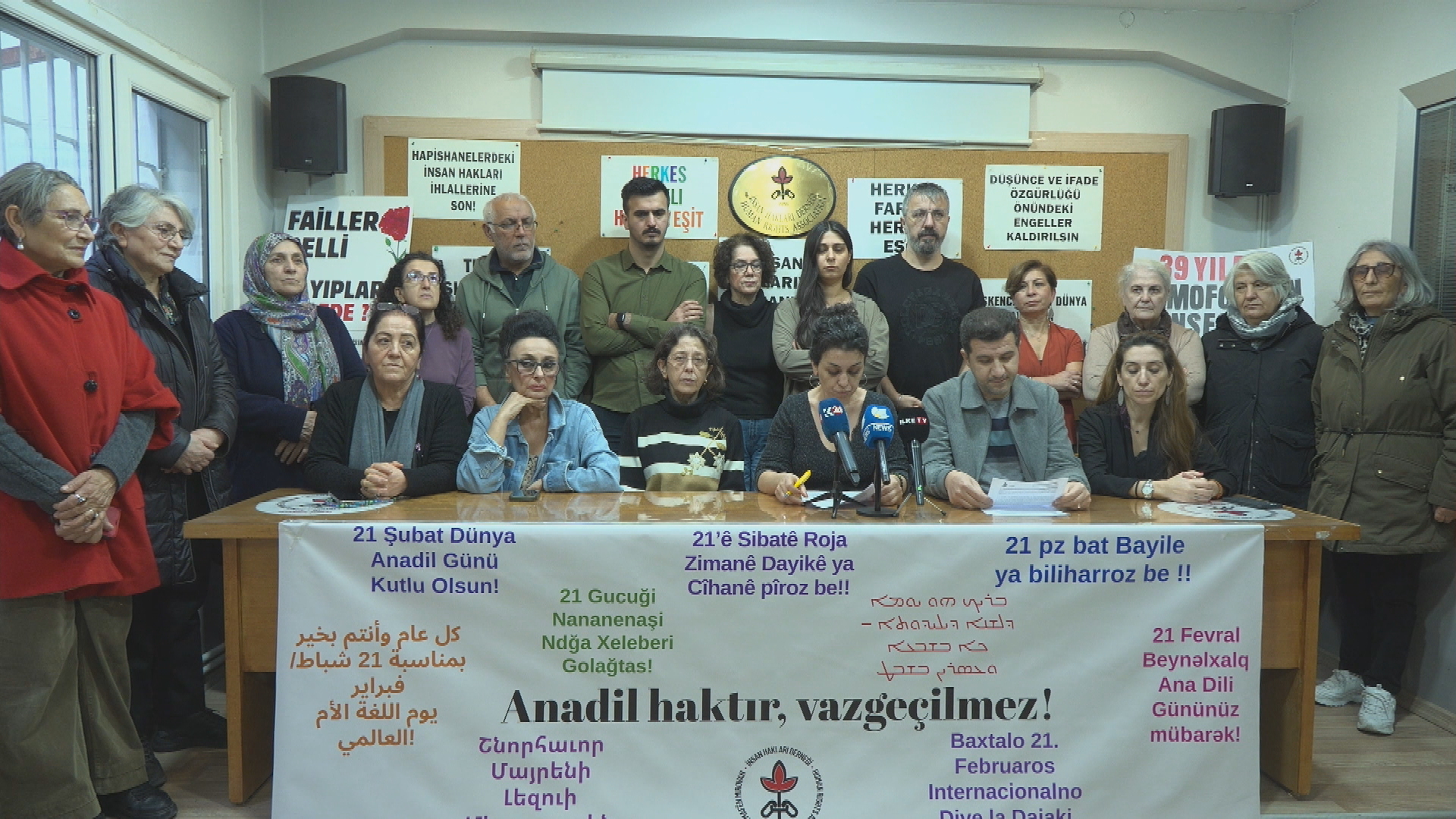
ERBIL (Kurdistan24) - Human rights observers in Türkiye criticized the Turkish Parliament’s Peace Process Commission report for omitting Kurdish language and cultural issues, stating that the report provides no solution to the Kurdish question. The criticism was raised during a press conference organized by the Istanbul branch of the Human Rights Association (İHD) on Saturday, International Mother Language Day.
Activists attending the conference said the report fails to address the ongoing denial of Kurdish identity and language rights. They emphasized that educational instruction in a person’s mother tongue remains prohibited under current state policies, and that assimilationist measures continue to persist.
“This report has nothing to do with resolving the Kurdish issue, and human rights have not been incorporated into it,” human rights observer Mehmet Güzel told Kurdistan24. He added that the report’s omission of Kurdish, Zazaki, Kurmanji, and Sorani languages demonstrates the continuation of state policies of denial.
Güzel further noted, “Until a nation's language and identity are recognized and while attempts to erase them persist, the oppressed people will not accept it, and no kind of peace will be achieved.” Participants at the conference called on parliament and the Peace Process Commission to review the report and address its deficiencies.
The commission’s report, formally approved on February 18 by a majority of the ruling coalition members of parliament, is structured in seven parts and frames the Kurdish issue entirely in terms of “terrorism and security.” It makes no reference to the recognition of cultural rights, the national identity of the Kurdish population, or the right to education in the Kurdish language.
The criticism reflects longstanding concerns among human rights groups and activists that Türkiye’s legislative approach to the Kurdish issue remains narrowly securitized, neglecting broader social, cultural, and linguistic dimensions.
According to the İHD, the continued exclusion of Kurdish language and identity from official discourse undermines prospects for reconciliation and fails to protect the human rights of Kurdish citizens.
Observers highlighted that the lack of recognition for Kurdish languages such as Zazaki, Kurmanji, and Sorani within the parliamentary report is symptomatic of a broader policy of monism that prioritizes a singular national identity over multicultural recognition. Activists argued that this approach maintains structural barriers against cultural expression and contributes to ongoing marginalization.
The press conference also stressed the symbolic significance of International Mother Language Day in Türkiye, underscoring that it provides an opportunity to raise awareness of linguistic diversity and minority rights. Organizers said the absence of Kurdish language recognition in the parliamentary report demonstrates a gap between Turkey’s international human rights obligations and domestic policy practices.
The İHD and other civil society participants called on authorities to implement concrete measures to ensure mother-tongue education and the recognition of cultural identity. They argued that legal and policy reforms are necessary to address long-standing grievances and to build a framework for genuine peace.
The report’s narrow focus on security and terrorism, they said, marginalizes social and cultural considerations essential to sustainable conflict resolution. The activists reiterated that meaningful engagement with Kurdish language and identity issues is critical to addressing the broader Kurdish question and improving relations between the state and its Kurdish population.
Güzel concluded that without acknowledgment and protection of Kurdish cultural rights, efforts at reconciliation will be incomplete. The press conference emphasized that reforms should guarantee the right to mother-tongue education and ensure that cultural expression is no longer restricted by state policy.