U.S. Orders Non-Emergency Staff to Leave Beirut Embassy Amid Iran Tensions
Washington reduces personnel in Lebanon as President Trump threatens strikes on Iran and Hezbollah responds to Israeli attacks.
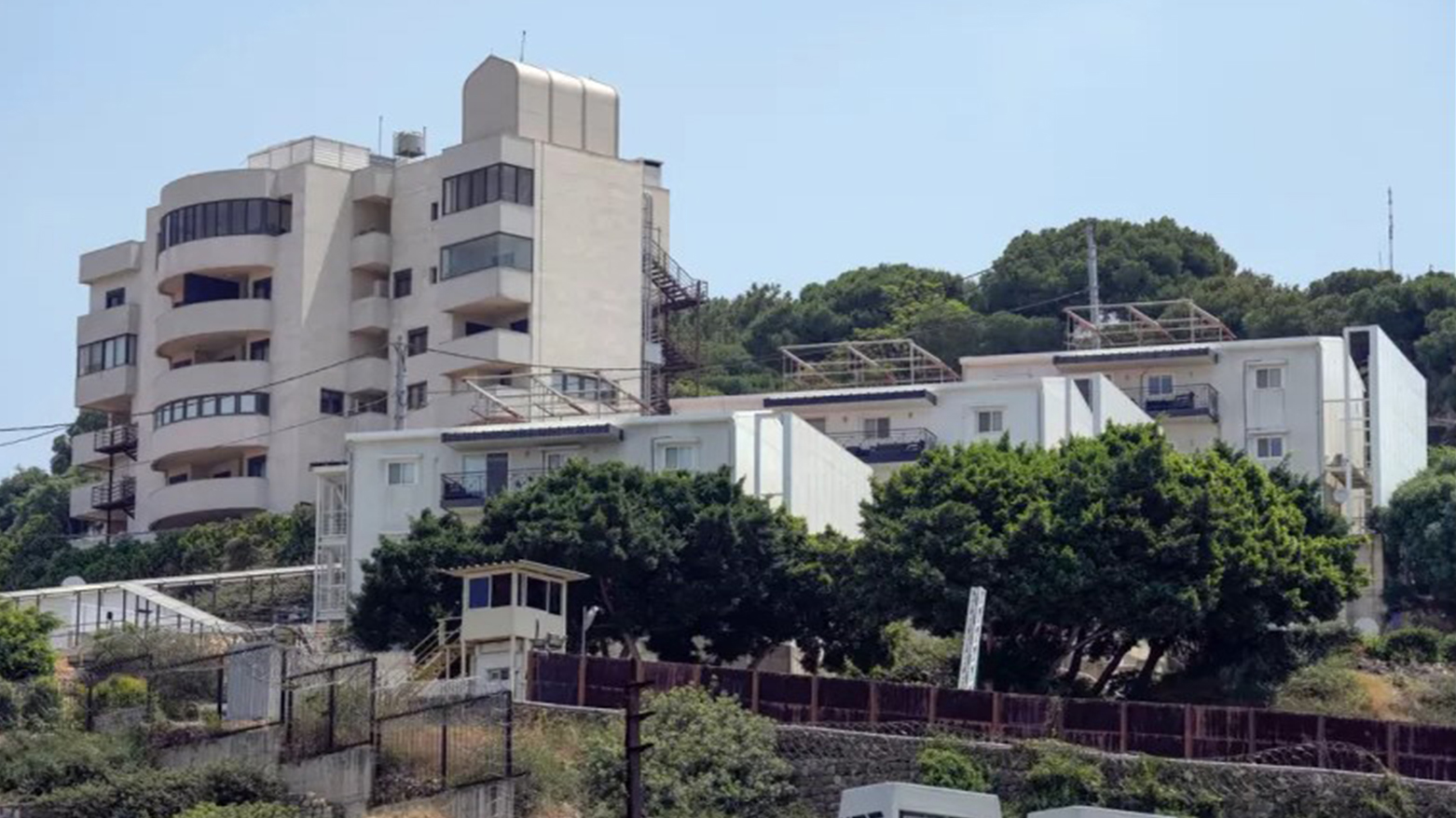
ERBIL (Kurdistan24) — The United States on Monday ordered non-emergency personnel to leave its embassy in Beirut, citing security concerns amid escalating tensions with Iran. Around 40 embassy staff and family members departed through Beirut’s international airport, according to a Lebanese security source who talked to AFP.
“This is a temporary measure intended to ensure the safety of our personnel while maintaining our ability to operate and assist U.S. citizens,” a senior State Department official told AFP on customary condition of anonymity. The embassy will remain open and continue to provide essential services.
The order comes as President Donald Trump has threatened military action against Iran over its nuclear program, deploying significant American air and naval assets to the region.
Trump has demanded that Tehran accept stringent terms on its nuclear activities, raising fears of a potential conflict.
Hezbollah, the Lebanese Shiite militia closely aligned with Iran, has been directly affected by Israeli strikes in Lebanon since the October 7, 2023, attacks by Iranian-backed Hamas. The group lost several operatives in recent Israeli operations and vowed “resistance” following an Israeli strike that killed eight of its members on Saturday.
Historically, Hezbollah has been expected to open a front against Israel in any broader war involving Iran.
In a related development, Iran’s deputy foreign minister, Kazem Gharibabadi, on Monday, warned that any attack on Tehran could trigger a wider escalation. Speaking at the Conference on Disarmament in Geneva, he emphasized that renewed aggression would have consequences beyond a single country and that responsibility would rest with those initiating or supporting such actions.
Gharibabadi reiterated Iran’s commitment to diplomacy, noting that indirect nuclear talks with the United States hosted by Oman would resume on Thursday in Geneva.
“Recent diplomatic engagement demonstrates a new window of opportunity for negotiations, provided mutual respect and equitable treatment are upheld,” he said.
Meanwhile, U.S. Secretary of State Marco Rubio’s planned visit to Israel, originally set for Saturday, has been postponed to March 2, following the third round of U.S.-Iran nuclear talks in Geneva.
The delay underscores the broader regional sensitivity as Washington balances diplomacy and military deterrence in the region.