Kurdish Researcher Publishes Landmark Study on Gender and Power in Kurdish Music
Speaking to Kurdistan24 on Thursday, Farazmand described the publication as an academic research project focusing on Eastern Kurdistan and the Kurdish diaspora in Sweden.
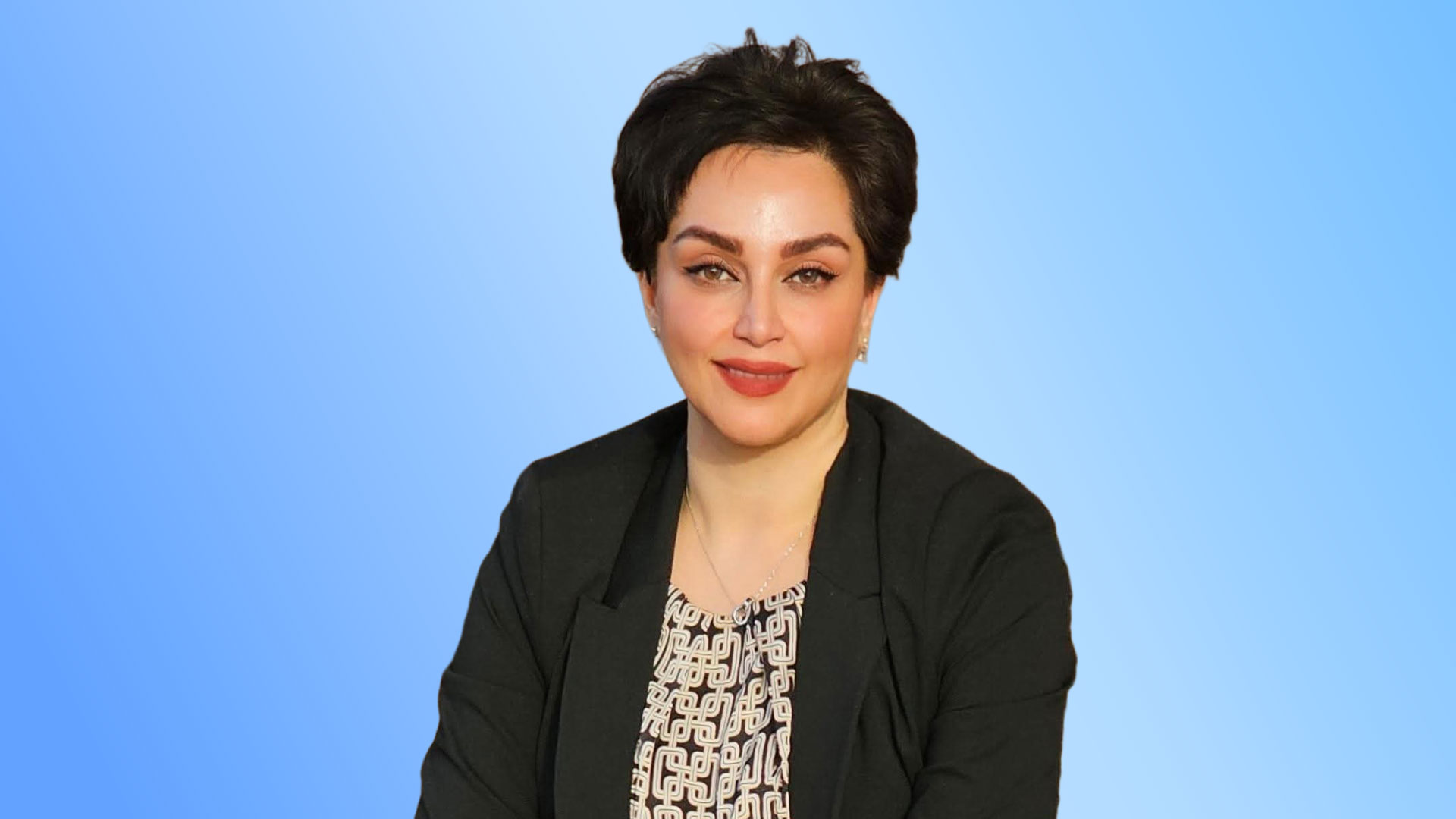
ERBIL (Kurdistan24) – Kurdish musician and academic Parang Farazmand has published her latest English-language book, Gender-Power Relations in Traditional and Transborder Kurdish Music, offering a comprehensive academic examination of Kurdish music across borders and generations.
The book, released by Logos Verlag Berlin, explores Kurdish music through the lenses of ethnomusicology, gender studies, diaspora studies, and performance analysis.
Speaking to Kurdistan24 on Thursday, Farazmand described the publication as an academic research project focusing on Eastern Kurdistan and the Kurdish diaspora in Sweden.
“The book is an academic research project covering Eastern Kurdistan and the Kurdish Diaspora in Sweden. It examines Kurdish music from the perspectives of ethnomusicology, gender studies, the diaspora, and performance,” she said.
The book is organized into six chapters. The first part examines traditional Kurdish music within Kurdistan, while the second section focuses on musical practices among the Kurdish diaspora in Sweden.
A central component of the study analyzes the relationship between power and gender in Kurdish song, dance, and instrumental performance. The following sections address the transformation of Kurdish music within the Swedish diaspora, with the final chapter presenting the study’s findings and conclusions.
Born in 1982 in Mahabad, Eastern Kurdistan (Western Iran), Farazmand began studying piano at the age of eight. She earned a master’s degree in ethnomusicology from the Tehran University of Arts and later completed her doctorate at Martin Luther University Halle-Wittenberg in Germany.
Farazmand has served as a professor of ethnomusicology at Martin Luther University Halle-Wittenberg. In addition to her academic work, she has remained active in the Kurdish, Iranian, and Western classical music traditions and has taught piano for many years.
Her latest publication contributes to growing scholarship on Kurdish cultural identity, particularly in examining how music reflects and shapes gender dynamics and power structures both in Kurdistan and in diaspora communities abroad.