Zibakalam: Neither Khamenei nor Trump Seeks War as Iran-U.S. Talks Advance
“If war breaks out, which I hope does not happen, it will not only be a conflict between the United States and Israel against Iran but will also devastate the region,” he said.
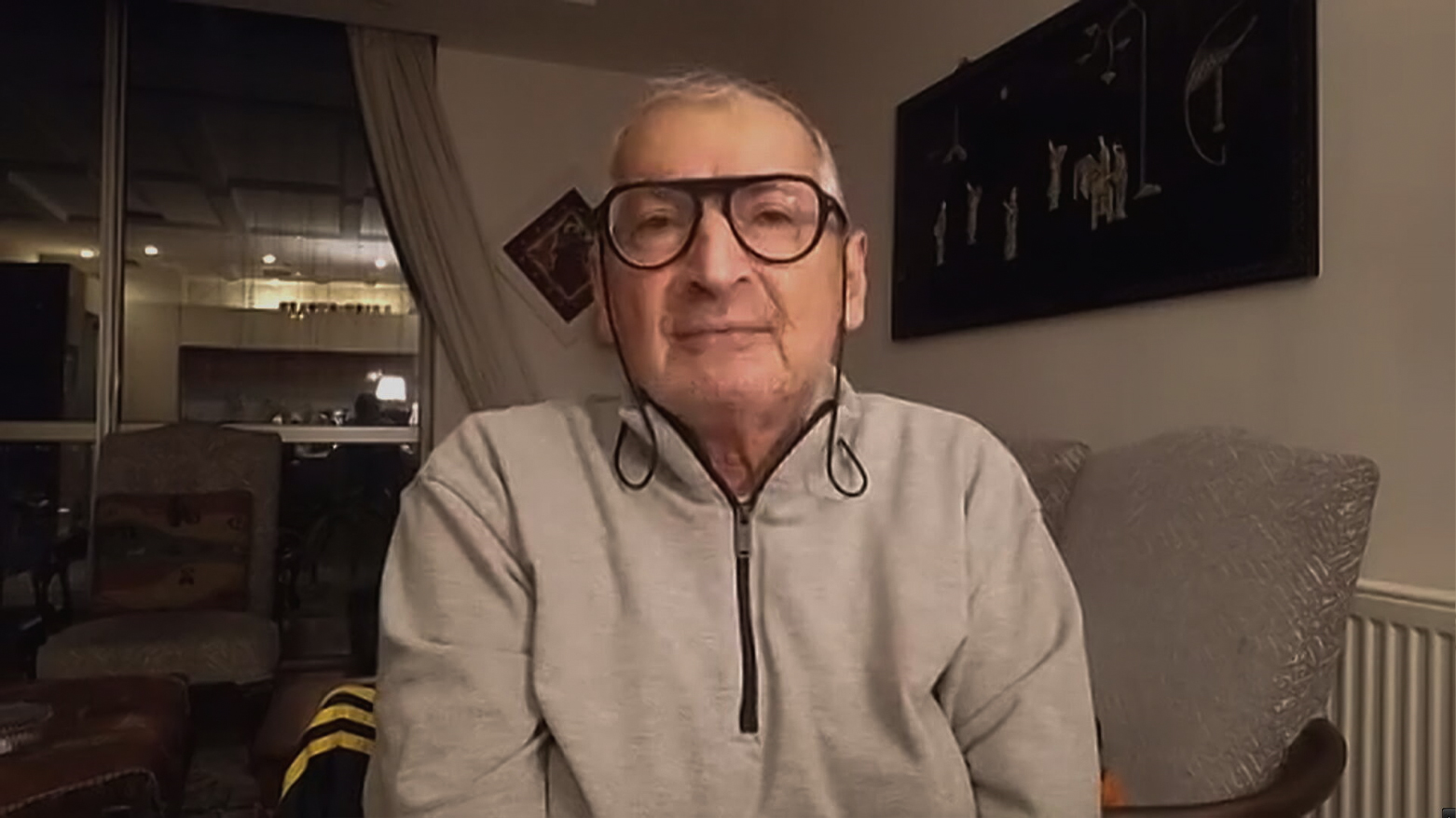
ERBIL (Kurdistan24) – As Tehran and Washington prepare for a fourth round of negotiations following reported progress in Geneva, an Iranian political analyst on Thursday warned that while public sentiment may be hardening, key decision-makers on both sides are not seeking a military confrontation.
Sadegh Zibakalam, Professor of Political Science at the University of Tehran, said that despite heightened tensions in the region, neither Iran’s Supreme Leader nor U.S. President Donald Trump desires war.
“Although many people in Iran desire war due to recent events, neither Khamenei nor Trump wishes for it,” Zibakalam said, referring to Iran’s Supreme Leader Ali Khamenei and Trump as the principal decision-makers in the standoff.
His remarks come after Iran’s Foreign Minister Abbas Araghchi announced Thursday that Tehran and Washington are expected to hold a fourth round of talks within a week, following what he described as significant progress during the latest indirect negotiations in Geneva.
Speaking to state television after the third round concluded, Araghchi said both sides had agreed to reconvene soon. “For our next meeting, the fourth round, it was agreed that it would be held soon — perhaps less than a week from now,” he said.
He also confirmed that technical teams will begin detailed studies on Monday at the headquarters of the International Atomic Energy Agency in Vienna, working with experts from the UN nuclear watchdog to address key technical aspects of a potential agreement.
Zibakalam noted that the United States has deployed significant military forces to the region and plans to send more, but argued that Washington’s primary objective remains pressure rather than open conflict.
“If these substantial forces withdraw without achieving results, it will be a shame for Trump. However, Trump’s objective is to apply pressure on Iran,” he said, adding that it remains unclear whether Tehran will accept U.S. conditions.
He warned that any outbreak of war would extend beyond a bilateral confrontation. “If war breaks out, which I hope does not happen, it will not only be a conflict between the United States and Israel against Iran but will also devastate the region,” he said.
According to Zibakalam, Tehran is reluctant to enter into a military confrontation because it recognizes that there is no clear path to victory. He stressed that the ultimate decisions rest with the Supreme Leader and the U.S. president and their close advisers.
At the same time, he cautioned that even a diplomatic breakthrough could spark domestic controversy within Iran. If an agreement is reached, he said, some supporters of the Islamic Republic may question the sacrifices made over decades of confrontation with the West.
The Geneva discussions are part of broader diplomatic efforts to resolve disputes over Iran’s nuclear program and secure sanctions relief. Iranian officials have described the third round as a substantive step forward, signaling cautious optimism as technical consultations begin ahead of the next meeting.