Iran Claims Control Over Strait of Hormuz, Warns of Missile Threat to Passing Vessels
US President Donald Trump says American Navy prepared to escort oil tankers through vital Gulf corridor
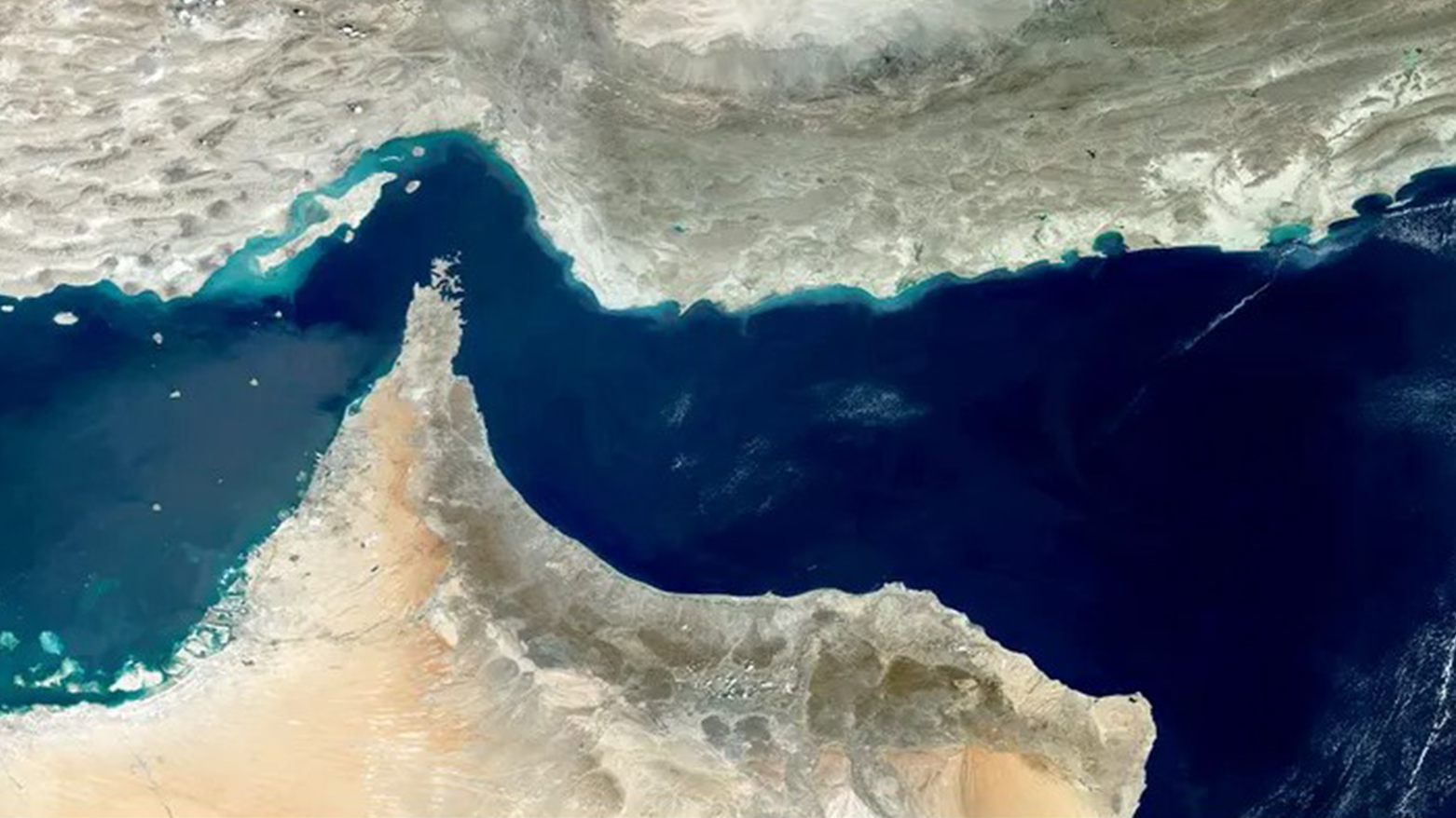
ERBIL (Kurdistan24) — Iran’s Revolutionary Guards announced Wednesday that they have assumed full control over the strategically critical Strait of Hormuz, warning that any vessel attempting to transit the waterway could face damage from missiles or drones, as the United States signaled readiness to deploy naval escorts for commercial shipping.
A senior naval official from Iran’s Islamic Revolutionary Guard Corps (IRGC), Mohammad Akbarzadeh, said in a statement carried by the semi-official Fars News Agency that the strait is “under the complete control of the Islamic Republic’s Navy.”
“Currently, the Strait of Hormuz is under the complete control of the Islamic Republic’s Navy,” Akbarzadeh said, cautioning that vessels passing through the narrow maritime corridor risk being struck by missiles or stray drones amid heightened regional tensions.
The Islamic Revolutionary Guard Corps Navy’s remarks come at a time of mounting instability in the Gulf, where the Strait of Hormuz serves as a vital chokepoint for global energy supplies.
Roughly one-fifth of the world’s traded oil and a significant portion of liquefied natural gas exports transit the narrow passage linking the Persian Gulf to the Arabian Sea.
However, the day before, US President Donald Trump said that the United States Navy stands ready to escort oil tankers through the waterway to ensure freedom of navigation and safeguard international commerce.
Trump’s remarks underscore Washington’s longstanding position that the Strait of Hormuz constitutes an international waterway where commercial shipping must remain unimpeded under international maritime law.
The escalating rhetoric has heightened concerns among global energy markets and maritime operators, as any disruption in the Strait of Hormuz could trigger sharp volatility in oil prices and pose broader risks to regional stability.
Energy experts warn that even limited military incidents—such as drone strikes or missile launches—could significantly impact shipping insurance costs and supply chains.
The latest developments signal a potentially dangerous phase in Gulf security dynamics, with both Tehran and Washington projecting military readiness around one of the world’s most strategically sensitive maritime corridors.