Israel Targets Iran's Energy Infrastructure as Israeli Airstrikes Hit Fuel Depots, Refineries in Tehran
Israeli forces continued targeting fuel storage sites in Tehran as the confrontation between Israel, Iran, and the United States intensified, according to reports cited by AFP.
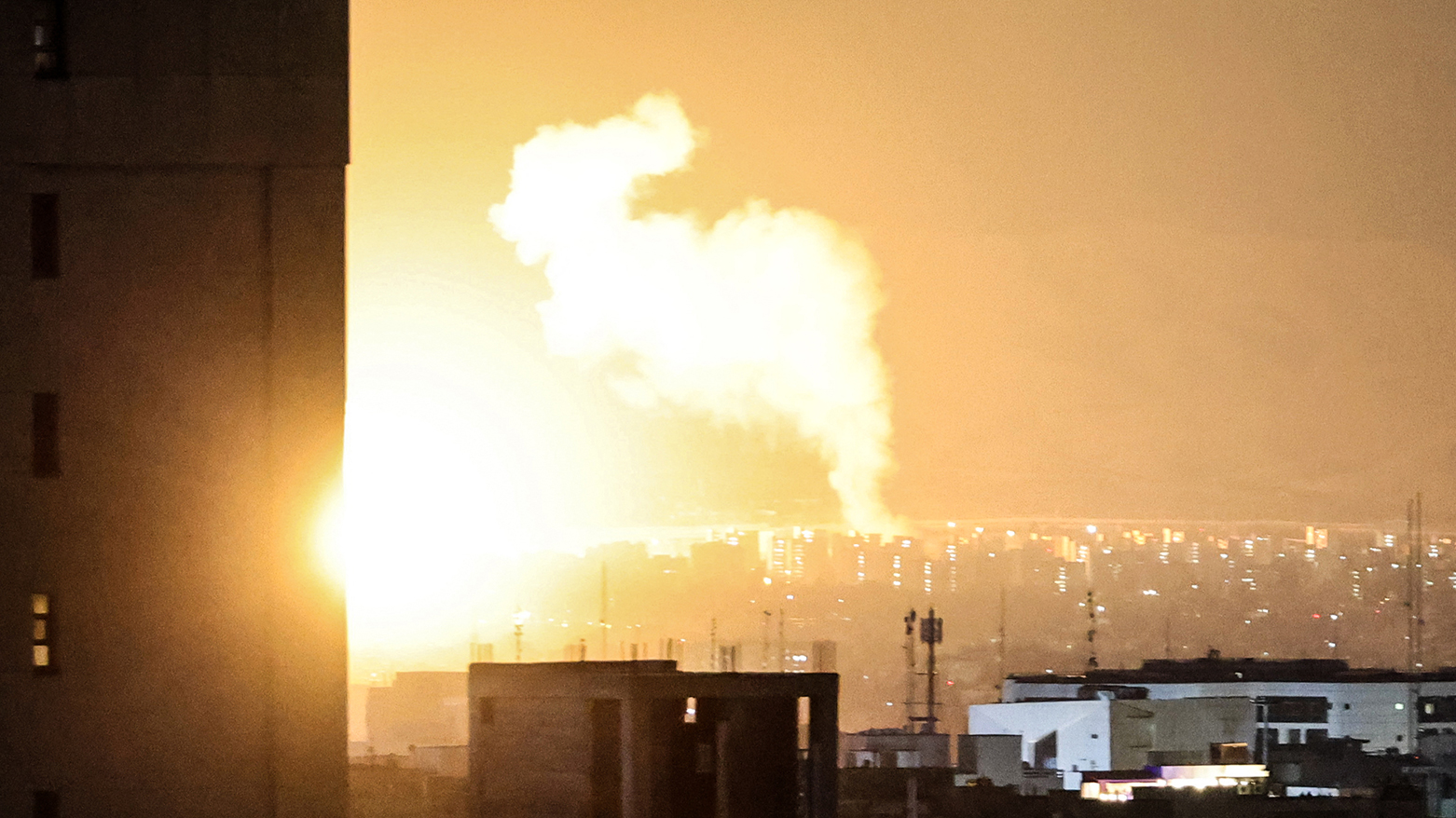
ERBIL (Kurdistan24) - Israel Targets Iran's Energy Infrastructure as Israeli forces launched airstrikes on several fuel depots and refining facilities in Tehran, marking what Israeli sources described as a new phase of the ongoing conflict with Iran that began late last month.
According to reports cited by AFP, Israeli fighter jets bombarded strategic fuel storage sites and oil refining infrastructure in the Iranian capital, targeting reserves that Israeli officials said were used by the Iranian government. The attacks were reported by Israeli media outlets and confirmed by multiple sources cited by AFP.
An Israeli security source told Channel 12 that the targeted depots constituted strategic fuel reserves used by the Iranian authorities. The source said the strikes were intended to increase pressure on Tehran’s leadership, warning that the government could soon face difficulty supplying basic necessities to the population.
“The Iranian regime can no longer provide basic necessities to its citizens,” the Israeli security source said, according to the broadcaster cited in reports referenced by AFP. The source added that pressure on Tehran was continuing to intensify.
The Israel Broadcasting Authority reported that Israeli fighter jets struck both oil depots and refining facilities across Tehran, according to AFP. The network said the strikes represented the first time Israel had directly targeted such energy infrastructure since the current conflict began.
CNN also reported, citing an Israeli source referenced by AFP, that the targeting of fuel depots signaled a new phase of the military campaign initiated last week in coordination with the United States. According to the report, the strikes expanded the scope of Israeli operations beyond earlier targets.
Iranian media reported explosions across the capital following the strikes. Mehr News Agency said residents heard several powerful explosions in Tehran overnight, according to AFP.
In response to the bombardment of the Tehran refinery, Iran’s Islamic Revolutionary Guard Corps (IRGC) announced that it had launched missile strikes against the Haifa refinery inside Israel, according to statements cited by AFP.
The exchange followed a dramatic escalation in regional tensions beginning on February 28, when the United States and Israel launched a large-scale attack on Iran. According to reports referenced by AFP, the operation resulted in the death of Ali Khamenei, the Supreme Leader of the Islamic Republic, along with several senior Iranian military officials.
Iran subsequently carried out multiple missile strikes targeting Israel as well as energy facilities in several countries across the region, AFP reported.
The latest Israeli air operations came amid growing warnings from Iranian officials that the continuing conflict could disrupt the country’s oil industry. Iranian Parliament Speaker Mohammad Bagher Qalibaf said Sunday that ongoing hostilities with the United States and Israel threaten Iran’s ability to sustain oil production and exports.
Posting on the social media platform X, Qalibaf said the widening scope of the confrontation had created serious risks for the country’s energy sector. “Due to the expansion of the scope of confrontations, the continuation of tensions makes oil sales or even maintaining production levels difficult for Iran as well,” Qalibaf wrote, according to AFP.
Qalibaf also referred to earlier comments by U.S. President Donald Trump regarding global oil markets. According to AFP, he noted that Trump had previously said oil prices would not rise significantly, but that recent market developments had prompted discussion of possible interventions.
Separately, a member of Iran’s Parliament Energy Committee warned that global oil prices could rise sharply if the conflict persists. The lawmaker said prices could reach between $150 and $200 per barrel as hostilities continue, AFP reported.
Market indicators cited by AFP also suggested disruption in maritime energy transport. Bloomberg data referenced by the agency indicated that only large Iranian tankers were transiting the Strait of Hormuz, while many international shipping companies were avoiding the strategic waterway amid the escalating conflict.
The overnight strikes targeted five oil facilities in and around Tehran, according to reports cited by AFP. The attacks killed four people, including two tanker drivers, and caused damage to fuel depots and a petroleum products transportation center.
Keramat Veyskarami, chief executive of the National Iranian Oil Products Distribution Company, said fires caused by the strikes had been brought under control. Speaking on state television, he said gasoline reserves remained sufficient despite the attacks, AFP reported.
Smoke from the strikes remained visible across parts of Tehran, with residents reporting the smell of burning in the air, according to AFP.
Iranian President Masoud Pezeshkian warned Sunday that Tehran would retaliate if neighboring countries were used as bases for attacks on Iranian territory. Speaking on state television, Pezeshkian said Iran does not seek conflict with neighboring states but would respond if its territory were targeted from their soil, AFP reported.
Earlier, Pezeshkian apologized to neighboring countries hosting U.S. military bases after Iranian retaliatory strikes linked to the conflict affected their territories. He later clarified in a social media post that Iran had targeted only U.S. military bases and installations in the region, according to AFP.
Iran’s Islamic Revolutionary Guard Corps said the country’s forces could sustain an “intense war” for up to six months at the current pace. Spokesperson Ali Mohammad Naini stated that first- and second-generation missiles had been deployed so far, while more advanced long-range weapons could be used in the coming days, AFP reported.
Military activity related to the conflict has also spread across several Gulf states hosting U.S. military facilities. Saudi authorities reported intercepting more than a dozen drones targeting sites in Riyadh, including the diplomatic quarter, according to AFP.
Qatar said Iran had launched two cruise missiles and ten ballistic missiles toward the country, while the United Arab Emirates reported intercepting incoming projectiles, AFP said. In Kuwait, aviation fuel tanks at the international airport were struck, prompting the national oil company to reduce crude production due to security concerns linked to the Strait of Hormuz.
Explosions were also reported in Baghdad and Erbil on Saturday evening, according to journalists cited by AFP.
Inside Iran, authorities reported rising civilian casualties. The Iranian health ministry said at least 926 civilians had been killed and around 6,000 wounded since the beginning of the conflict, though the figures have not been independently verified, AFP reported.
Residents described growing anxiety as military operations continued. A 26-year-old teacher told AFP that the experience of living through the conflict had been difficult for civilians.
U.S. President Donald Trump also addressed the conflict in a phone interview with CBS News on Saturday evening. Responding to threats made by Iranian security official Ali Larijani, Trump said he “couldn’t care less,” according to the network cited by AFP.
Trump said Iran’s military capabilities had been significantly degraded, citing U.S. Central Command data indicating that at least 43 Iranian ships had been damaged or destroyed and more than 3,000 targets struck since the start of operations.
Iranian officials disputed that assessment. Larijani said Washington had underestimated Iran’s political and social cohesion during wartime, arguing that external attacks often unify the country’s population, according to CBS News reports cited by AFP.
Israeli airstrikes on Tehran’s fuel infrastructure therefore marked a further expansion of military operations in the conflict that began with joint U.S.-Israeli strikes on Iran in late February.