Iranian Foreign Minister Rejects US Calls for ‘Unconditional Surrender,’ Says Iran's Dignity ‘Not for Sale’
Iranian Foreign Minister Abbas Araghchi rejected calls for unconditional surrender, saying Iran’s dignity cannot be negotiated while insisting the country’s institutions remain stable during the ongoing conflict.
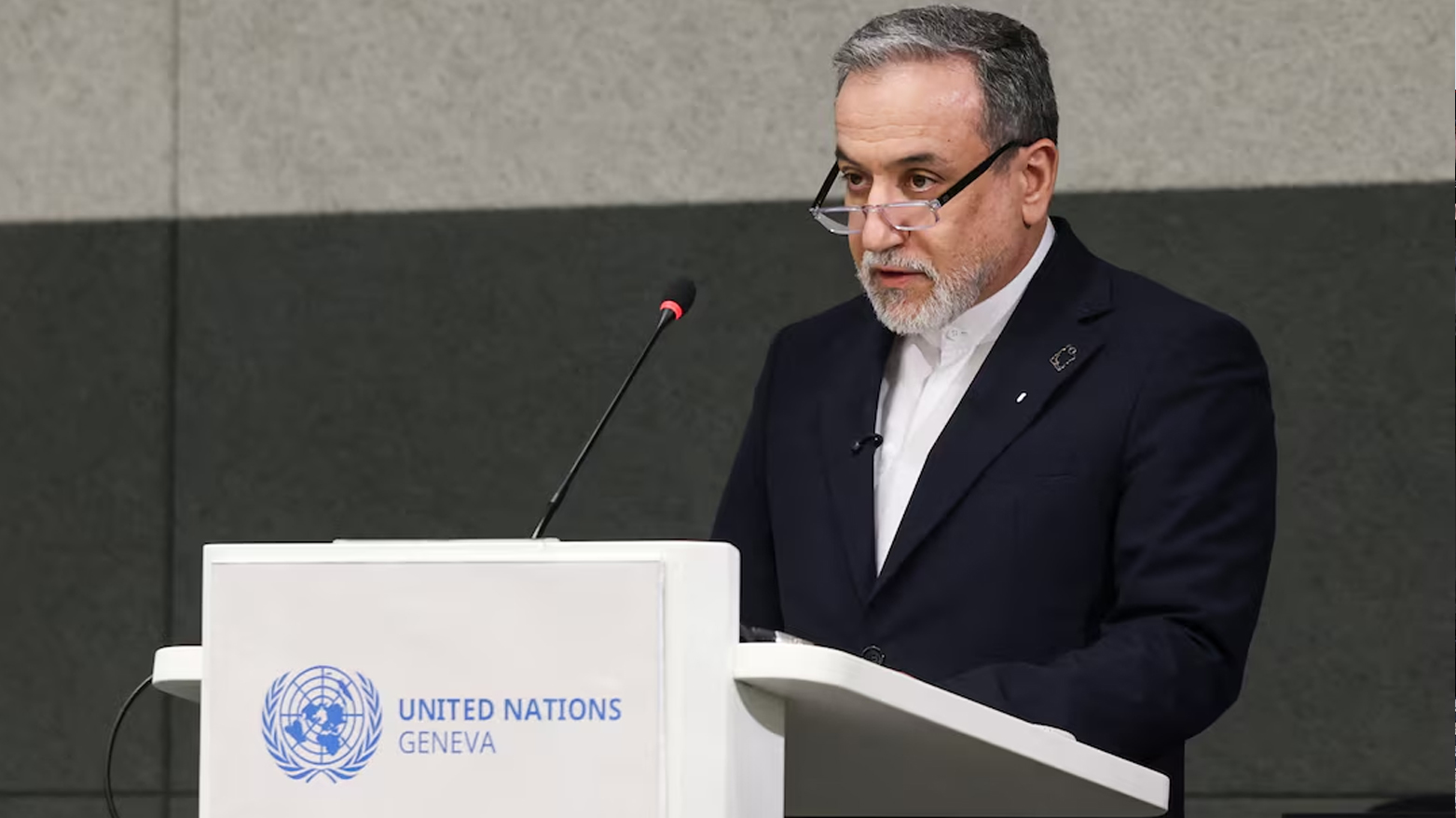
ERBIL (Kurdistan24) - Abbas Araghchi, Foreign Minister of Iran, said the country will not surrender under pressure, declaring that Iran’s national dignity is “not for sale,” in remarks directed toward the White House.
In an interview with NBC on Sunday, Araghchi said Iran’s constitutional institutions remain stable and continue to function normally despite the ongoing conflict.
He stated that a temporary leadership council is currently managing the country’s internal affairs and that the Assembly of Experts is expected to select a new supreme leader in the near future through legal procedures.
According to the Iranian foreign minister, all state institutions—including parliament and the government—are continuing to carry out their duties as usual.
Addressing Washington’s calls to end the conflict through what he described as “unconditional surrender,” Araghchi said Iran has proven its ability to defend itself and resist pressure.
“The dignity of the Iranian people is not something that can be negotiated or sold,” he said.
Araghchi also stressed that Tehran does not seek to expand the war but will not accept any ceasefire that fails to guarantee a permanent and comprehensive end to attacks against the country, particularly strikes targeting infrastructure and civilians.
Regarding Iran’s recent military operations, the foreign minister said Iranian missiles had targeted only U.S. bases and facilities located in neighboring countries and not the countries themselves.
He also said that the Iranian presidency’s apology to residents of the region for collateral damage reflected “strength and responsibility” toward the consequences caused by what he described as U.S. actions in the region.
The current escalation began early on Feb. 28, when United States and Israel launched airstrikes against targets inside Iran, reportedly killing several senior figures.
Iran quickly responded by firing missiles toward Israel and targeting several U.S. military bases across the region.
Meanwhile, regional leaders are discussing ways to prevent further escalation. In a phone call on Sunday, Mohamed bin Zayed Al Nahyan, President of the United Arab Emirates, and Keir Starmer, Prime Minister of the United Kingdom, reviewed the latest regional developments.
Starmer reaffirmed Britain’s solidarity with the UAE and strongly condemned Iranian attacks targeting the country and other states in the region.
The British prime minister warned that such strikes represent a violation of national sovereignty and pose a direct threat to regional stability.
Both leaders also emphasized the importance of preventing further escalation and working to contain the conflict in order to protect regional security and stability.