Iran Highlights U.S. Senator Graham’s Remarks, Calls Conflict “About Oil”
Iran’s MFA spokesman called Graham’s remarks “a very rare moment of honesty,” highlighting oil motives: “A rare moment of honesty; the issue is only oil,” Baqaei wrote.
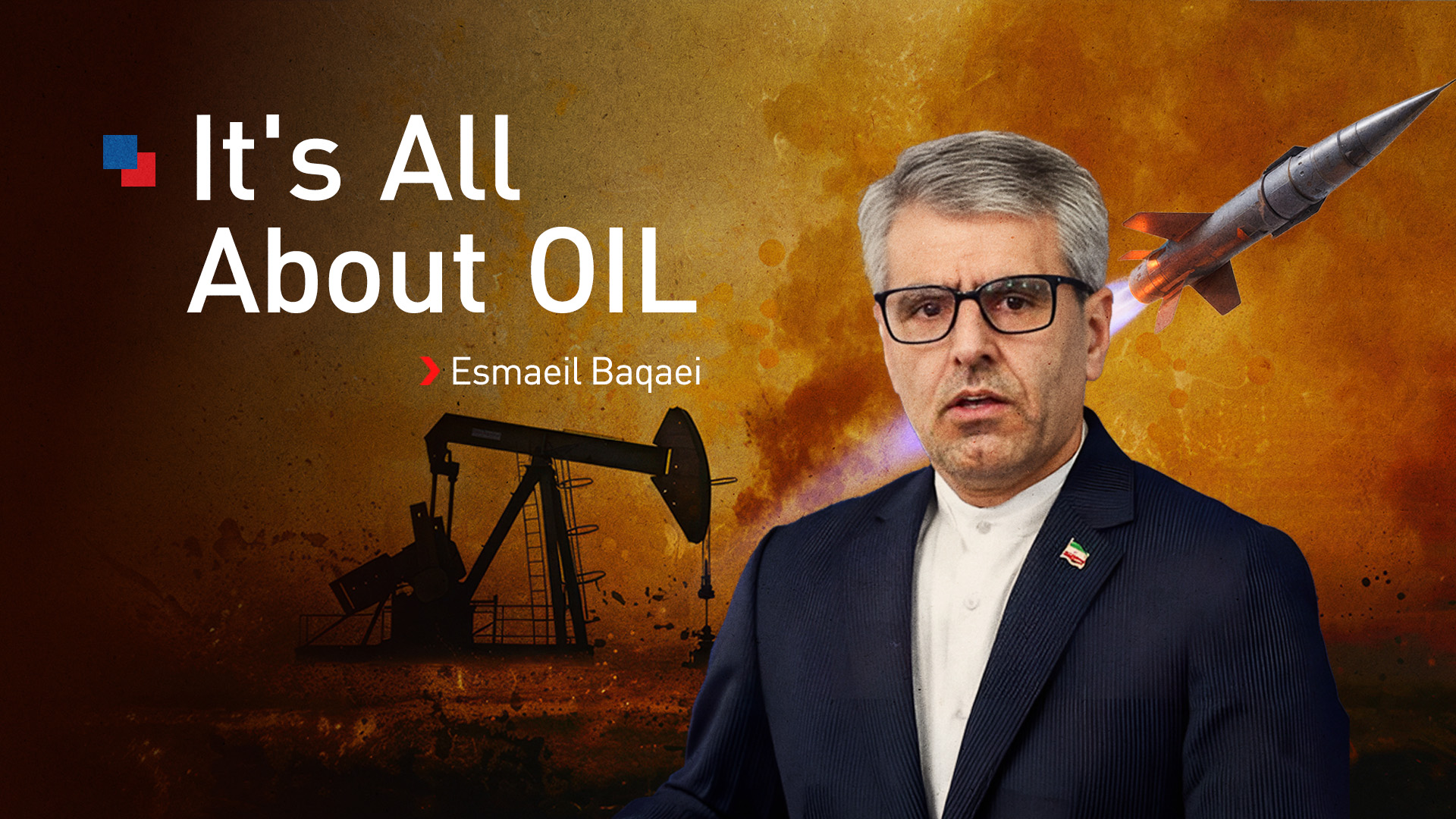
ERBIL (Kurdistan24) - Esmaeil Baqaei, spokesperson for the Iranian Ministry of Foreign Affairs, characterized comments by U.S. Senator Lindsey Graham as “a very rare moment of honesty,” emphasizing that the ongoing conflict and related U.S. policy are primarily driven by oil interests. Baqaei posted a video clip on the social media platform X on Monday, March 9, 2026, highlighting Graham’s remarks that “Venezuela and Iran possess 31% of the world’s oil reserves, and we will be partners with them.”
The statement follows the February 28 joint strikes by Israel and the United States on Iran, which targeted military headquarters, operational facilities, and oil storage infrastructure in Tehran. The attacks resulted in the deaths of Supreme Leader Ali Khamenei and several high-ranking Iranian commanders and officials, according to Iranian state sources.
Very rare moment of honesty:
— Esmaeil Baqaei (@IRIMFA_SPOX) March 9, 2026
It's all about OIL. pic.twitter.com/QzLa3Qr4Jl
In a Fox News interview, Graham described the military actions against Iran as “the best money ever spent,” framing the U.S. campaign as a strategic investment in national security. He said the strikes aimed to prevent Iran from developing nuclear weapons capable of striking the United States and to disrupt the country’s support for regional proxy groups. Graham stated that Iran had stockpiled enough 60 percent enriched uranium—460 kilograms—to potentially make 11 nuclear bombs. He argued that U.S. military operations had disrupted those capabilities.
Graham also emphasized the broader regional implications of the strikes, citing the security of the Strait of Hormuz and the potential for future partnerships with Iran once the current regime is removed. He framed the U.S.-Israeli campaign as paving the way for long-term strategic alliances, asserting that the eventual removal of Iran’s regime would create “a new Mideast” and enhance cooperation between countries such as Saudi Arabia and Israel.
The senator acknowledged the financial costs of the operations, noting that the first 100 hours of strikes had cost $3.7 billion and that current operations were estimated at up to $1 billion per day. He said the Pentagon would likely request a supplemental defense package of up to $50 billion in the coming weeks. Graham supported President Donald Trump’s proposed $1.5 trillion defense budget for 2027, emphasizing the need for the strongest military capabilities to conclude conflicts quickly.
Graham urged U.S. allies in the region, including Arab states, to participate actively in the campaign against Iran, citing Iranian attacks on their territories. He stressed that American forces would not operate alone and highlighted ongoing arms sales to partner nations. “Yeah. I want them to get in the fight. You know, we sell them weapons. Iran is striking their country. They have good capability about the Strait of Hormuz,” Graham said.
Baqaei’s commentary framed the U.S. and Israeli military actions as materially motivated, focusing on energy resources rather than security imperatives. The Iranian Foreign Ministry spokesperson highlighted Graham’s remarks regarding oil reserves as evidence of underlying strategic interests: “A rare moment of honesty; the issue is only oil,” Baqaei wrote.
The February 28 strikes marked a significant escalation in the Iran-Israel-U.S. conflict, which has largely relied on aerial operations, missile attacks, cyber operations, and intelligence targeting. President Trump has refrained from committing U.S. ground forces while ordering extensive remote military campaigns to degrade Iranian military infrastructure. In a prior interview, Trump noted that any potential deployment of ground troops would occur only under highly constrained conditions to prevent operational failure.
The military operations have generated substantial expenditures and logistical demands for the Pentagon and defense contractors. Fox News reported that President Trump recently met with defense industry representatives to accelerate production schedules to sustain the intensity of ongoing operations. Graham characterized the expenditure as justified by the strategic objective of neutralizing Iran’s nuclear capabilities and reducing threats posed by its regional proxies, including Hezbollah, Hamas, and the Houthis.
Iranian officials, including Baqaei, have consistently framed U.S. and Israeli operations as aggression against Iranian sovereignty and as targeted at resources critical to global energy markets. The Foreign Ministry has emphasized that Tehran views the attacks on oil infrastructure as part of broader geopolitical objectives rather than as collateral damage in a conventional military conflict.
In addition to highlighting oil interests, Graham outlined projected geopolitical outcomes should the Iranian regime be removed, including expanded recognition of Israel by Arab states and enhanced security in the Persian Gulf. He asserted that a post-regime Iran could lead to greater regional stability and economic engagement, framing the U.S. strategy as simultaneously defensive and economically strategic.
The operations have produced high-profile casualties, including the death of six U.S. soldiers, as noted by Graham. He commended U.S. military personnel for their performance and stressed the importance of decisive, rapid operations. “I’m not looking for a fair fight. If we get in a fight, I want to win it. I want to win it quick,” Graham said, underlining the operational doctrine guiding U.S. and allied actions in the conflict.
Baqaei’s public comments underscore Tehran’s perception of the conflict as motivated by economic and strategic interests rather than security concerns. By reposting Graham’s statement, the Iranian Foreign Ministry drew attention to the role of oil reserves in shaping U.S. policy, linking strategic decisions to control over global energy markets.
Graham also addressed the potential long-term ramifications for regional security and U.S. alliances, asserting that removing Iran’s current leadership would preclude future threats to the Strait of Hormuz and reduce Iran’s support for proxy groups in the Middle East. He framed these outcomes as enhancing U.S. security while enabling partnerships with countries that possess substantial energy resources.
The broader U.S. strategy has relied on a combination of air power, long-range missiles, kamikaze drones, cyber operations, and intelligence targeting, aiming to disrupt Iran’s military and nuclear capabilities without deploying ground forces. Presidential statements and congressional oversight suggest continued financial and logistical support for the campaign, including supplemental defense appropriations and enhanced military production to sustain operational intensity.
Iranian officials have not provided specific responses to Graham’s projections regarding regime change or post-conflict partnerships. Baqaei’s focus remained on the framing of U.S. and Israeli actions as centered on oil interests, emphasizing what Tehran perceives as external economic motivations behind military operations.
The conflict’s impact on regional stability has been reinforced by attacks on civilian infrastructure and oil facilities, raising concerns among neighboring states and global energy markets. Baqaei’s statement reflects Iran’s position that military actions are inherently linked to economic interests, reinforcing Tehran’s narrative of defending sovereignty and national resources against foreign interference.
The February 28 strikes and subsequent statements from U.S. officials, including Graham, highlight a convergence of military, economic, and geopolitical objectives in the U.S.-led campaign. Congressional support for supplemental funding, defense budgeting, and operational oversight indicates ongoing engagement at multiple institutional levels.
Baqaei’s remarks, along with Graham’s public statements, illustrate the intertwined nature of military objectives and energy considerations in the conflict, underscoring Tehran’s contention that U.S. actions are motivated primarily by access to oil reserves and strategic regional influence.
The immediate development remains Iran’s public assertion that U.S. and Israeli military operations are materially motivated by energy interests, while the United States frames its campaign as a necessary intervention to neutralize Iran’s nuclear and military capabilities.