Iran Threatens Asset Seizure for Individuals Cooperating with U.S. or Israel
Iran’s Public Prosecutor announced that any individual outside Iran who aids the U.S. or Israel will have all property in Iran confiscated. “Any practical step taken for Israel and the United States… will be met with the seizure of all their property and assets,” the statement said.
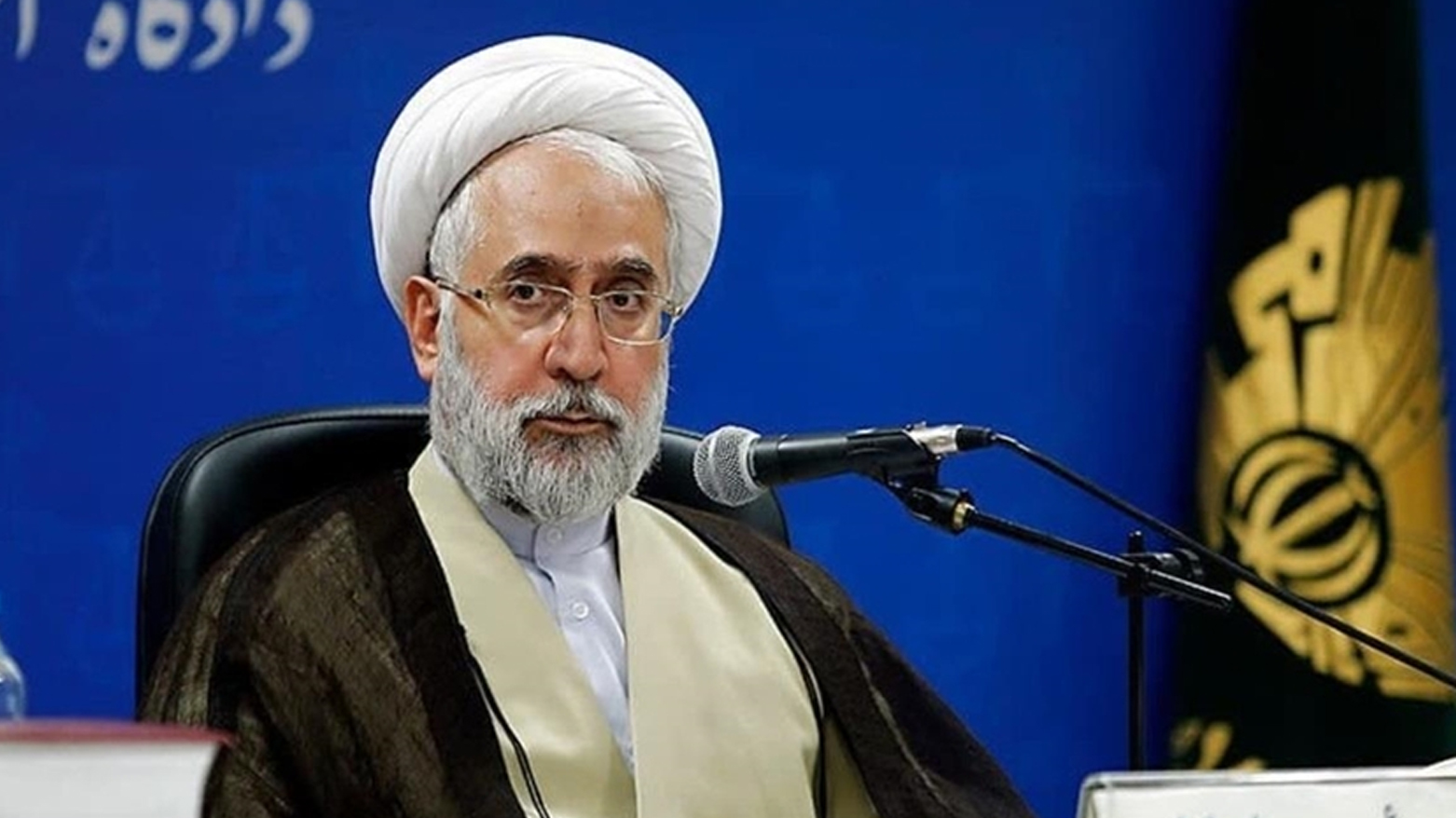
ERBIL (Kurdistan24) - Iran’s Public Prosecutor announced on Monday that the assets and property of any individuals outside Iran who cooperate with the United States or Israel will be confiscated, the office said in a statement. The announcement was issued in the context of the recent U.S.-Israeli military strikes on Iran, which targeted military facilities and Tehran’s oil storage infrastructure.
The statement, issued by Mohammad Movahedi Azad, Iran’s Public Prosecutor, noted that the measure applies to individuals who provide cooperation or support to U.S. or Israeli authorities or their affiliates in actions against Iranian security. The office said that, under the law, any practical step taken in favor of the United States or Israel that threatens Iran’s national security or interests will trigger the seizure of all property and assets belonging to the individuals involved.
The communiqué cited Article 1 of the Law on Increasing Punishment for Espionage and Cooperation with the Enemy Against National Security and Interests, which was approved in October 2025. The law specifies that not only direct espionage or intelligence-gathering activities, but also broader forms of support or cooperation with Iran’s enemies, will result in the confiscation of property. “Any practical step taken for Israel and the United States or their affiliates against the security of Iran will be met with the seizure of all their property and assets,” the statement said.
The statement did not specify the mechanisms by which property would be identified or seized, nor did it indicate any timelines for enforcement. The communiqué emphasized that the law applies to both Iranian citizens and foreign residents acting outside Iran who provide support to the countries or entities engaged against Iran.
The announcement follows the joint U.S.-Israeli military operation on February 28, 2026, which struck multiple Iranian military headquarters and facilities and targeted oil storage installations in Tehran. The attacks reportedly resulted in the deaths of Iran’s Supreme Leader Ali Khamenei and several high-ranking military commanders and officials, according to official Iranian reports.
Iran’s Public Prosecutor framed the confiscation measures as a legal response to external aggression, stating that the law is designed to protect national security and respond to acts of espionage or cooperation with foreign adversaries. The communiqué reinforced that any assistance to U.S. or Israeli forces, or their affiliates, falls under the scope of the law.
The statement noted that the law encompasses both practical cooperation in operational terms and support through intelligence or other forms of assistance. Individuals who provide advice, information, or other forms of aid that could be used by U.S. or Israeli forces against Iran are included under the legislation.
Officials emphasized that this approach is intended to establish a clear legal basis for responding to perceived threats from individuals outside Iran. The communiqué underscored that the property seizure provisions apply to all assets held within Iran, regardless of the nationality of the owner.
The February 28 military operation marked a significant escalation in the U.S.-Israeli campaign against Iran. According to Iranian reports, multiple strategic sites were targeted simultaneously, including military headquarters and oil storage facilities. The Iranian government stated that the attacks resulted in fatalities among the country’s leadership, including the Supreme Leader and top military officials.
The Public Prosecutor’s office reiterated that the law is broad in scope, covering not only espionage or intelligence activities but also general support for the adversaries of Iran. The statement emphasized that the seizure of property is a direct consequence of actions taken in collaboration with U.S. or Israeli forces, in line with the national security law passed in October.
The communiqué did not provide additional information regarding international coordination or potential legal challenges to the confiscation measures. It framed the property seizures as a legal and institutional response to acts perceived as endangering Iranian national security, applicable to any individual or entity acting outside the country in cooperation with adversaries.
Iran’s announcement signals the government’s intent to apply domestic legal measures against foreign-based individuals whose activities are deemed harmful to the state. The statement underscored that the law applies broadly to encompass both direct operational acts and ancillary support to adversaries, reinforcing the potential consequences for cooperation with U.S. or Israeli forces.
The Public Prosecutor’s statement concluded that all property and assets within Iran belonging to individuals found to have provided such cooperation will be seized in accordance with the law, emphasizing the government’s legal authority to act against external threats.
Iran’s enforcement of the law will focus on assets located within the country, and the communiqué confirmed that foreign nationals or Iranian citizens residing abroad may be subject to property confiscation if they engage in prohibited cooperation.