Top Iranian Security Official Rejects U.S. Reward List, Quotes Imam Hussein in Defiant Message
Ali Larijani dismissed a US decision placing him on a reward list for information, calling it insignificant and citing Imam Hussein: “Death is happiness; living with oppressors is misery.” The move follows a $10 million US reward targeting Iranian officials.
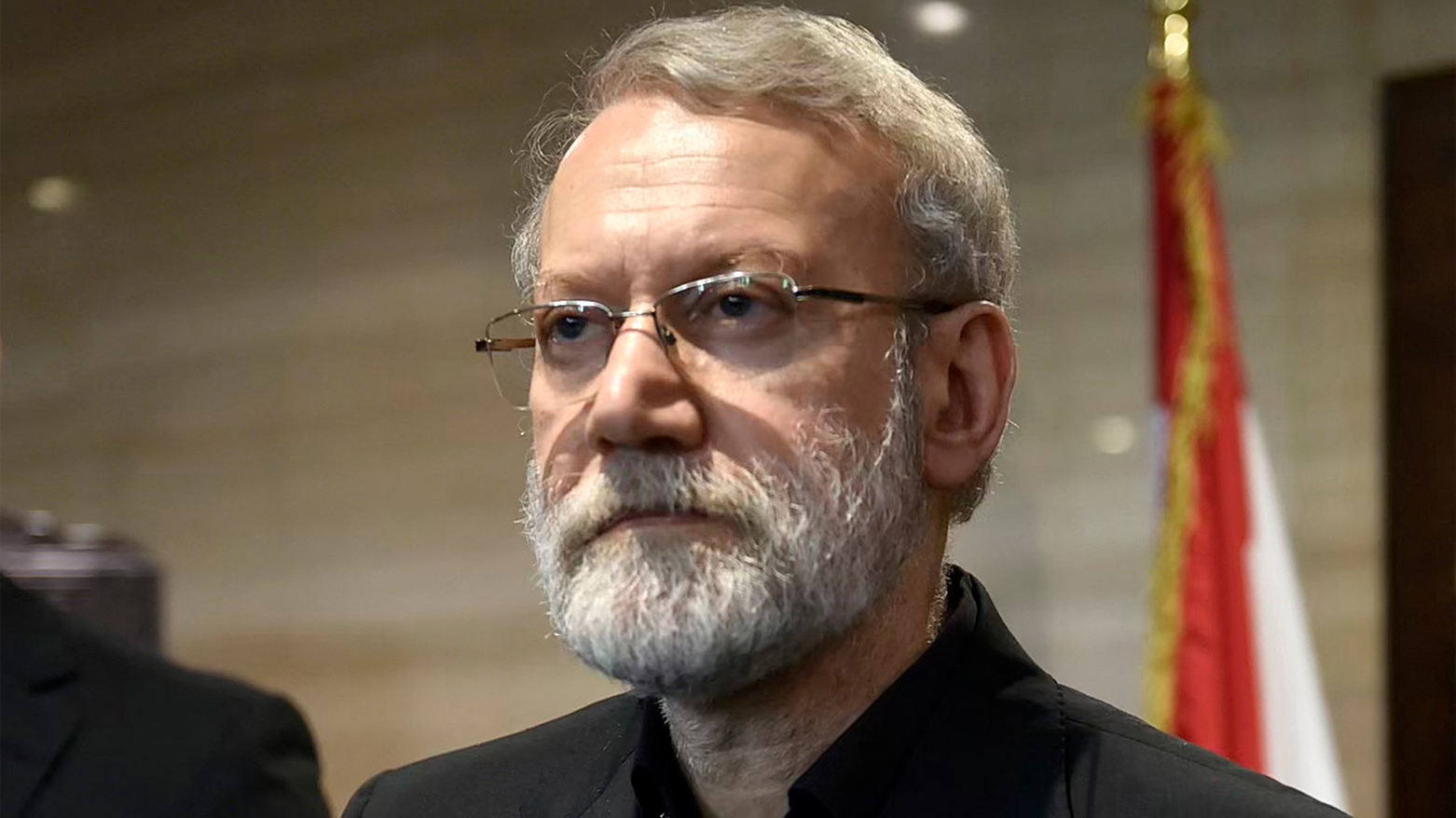
ERBIL (Kurdistan24) - A new political confrontation between Tehran and Washington unfolded on Sunday as Iran’s top national security official publicly dismissed a US decision to place his name on a list of individuals sought for information, responding with a stark historical quote emphasizing resistance over submission.
On Sunday, Ali Larijani, Secretary of Iran’s Supreme National Security Council, reacted to the decision by the US government, stating that Washington’s move to include his name among individuals the United States is seeking information about was “a normal matter” and of little importance to him.
Responding to the announcement, Larijani invoked a saying attributed to Imam Hussein, declaring: “I see death as happiness, and living with oppressors as misery and discomfort.”
The reaction came after the US State Department, through the Rewards for Justice program, announced a reward of $10 million for information about Iranian political and security figures accused of having connections to activities of the Islamic Revolutionary Guard Corps outside Iran.
According to the statement, individuals who provide such information may also be eligible for protection or resettlement in another country.
The US list includes several senior Iranian figures, among them Mojtaba Khamenei, the son of Iran’s Supreme Leader Ali Khamenei, along with a number of security and military officials responsible for internal security and military coordination during the current regional conflict.
Observers view Washington’s move as a political escalation that coincides with rising military tensions across the Middle East. The reward announcement is interpreted as part of a broader intelligence and political pressure campaign between Washington and Tehran, occurring alongside indirect military confrontations across multiple fronts in the region.
These developments come as senior Iranian officials participated in Quds Day activities in Tehran, where strong political and public rhetoric against the United States and Israel dominated the atmosphere. Tehran has not yet issued a detailed official position regarding the broader implications of the US list.
In a parallel diplomatic development, Ali Reza Enayati, Iran’s ambassador to Saudi Arabia, stated that communication between Tehran and Riyadh remains ongoing and that relations between the two countries continue to move forward normally across several areas.
On Sunday, Mar. 15, 2026, Enayati told Reuters that Iranian officials maintain continuous contact with Saudi counterparts and praised Saudi cooperation in facilitating the return of Iranian citizens who were in the kingdom for religious purposes, including providing medical assistance to some of them.
Enayati also rejected accusations that Iran was responsible for attacks targeting Saudi oil infrastructure, including the Ras Tanura refinery on the eastern coast and attempts to target the Shaybah oil field using drones.
“Iran is not responsible for those attacks,” Enayati said. “If Iran had carried them out, it would have officially announced it.”
His remarks followed a report by Bloomberg revealing that Saudi Arabia has intensified direct communications with Iran in recent days. According to European officials cited in the report, Saudi officials have rapidly activated secret diplomatic channels with Tehran in an effort to contain the expanding conflict in the Middle East and prevent further escalation affecting global markets.
The diplomatic outreach comes as regional tensions continue to rise, with multiple political and military developments unfolding simultaneously across the Middle East.