Iraq Calls for Special Budget to Compensate Halabja on 38th Anniversary of Chemical Attack
Iraq’s Presidency emphasized Halabja’s symbolic significance and called for a special budget to compensate victims and support reconstruction on the attack’s 38th anniversary.
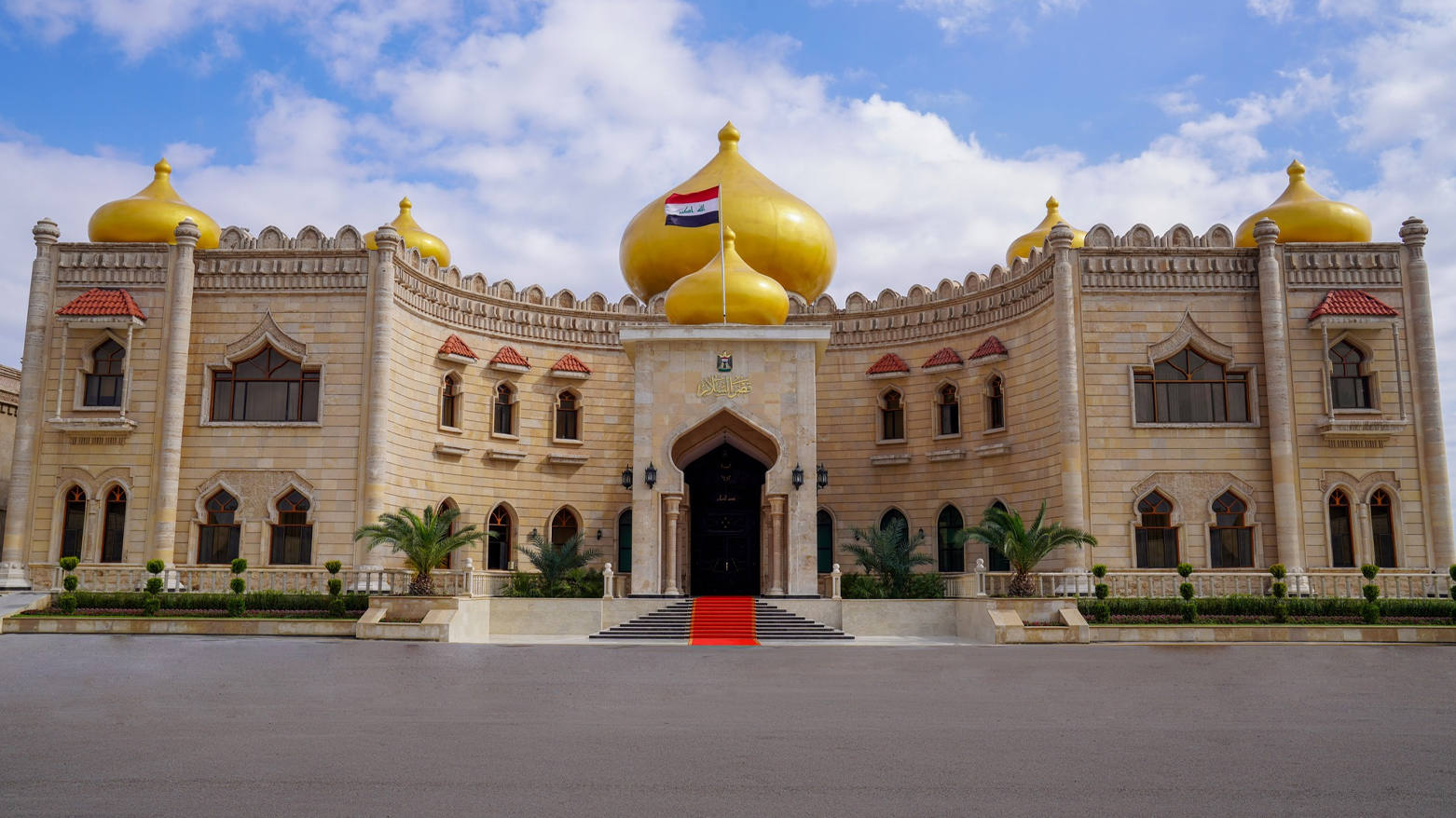
ERBIL (Kurdistan24) - On the 38th anniversary of the chemical bombardment of Halabja, the Presidency of the Republic of Iraq emphasized the importance of national unity and called for the allocation of a special budget to compensate victims and support reconstruction in the city.
Ezzedine Majid, Deputy Head of the Diwan of the Presidency of the Republic, issued the statement Monday, noting that Halabja “has become a symbol of the resistance and the will of our people for life and freedom.”
The message highlighted that the unity of Iraq’s diverse communities, including Arabs, Kurds, Turkmens, and others, was instrumental in the fall of the previous dictatorship and in the establishment of a democratic Iraq.
The Presidency referenced Presidential Decree No. 19 of 2025, which granted Halabja provincial status. The decree, it said, represents a formal acknowledgment of the city’s historical suffering and its significance within the modern Iraqi state.
The statement called upon both the Federal Government and the Council of Representatives to take concrete action by providing funding dedicated to reconstruction projects and compensation for survivors and affected families.
Monday marks 38 years since the 1988 chemical attack on Halabja, which resulted in the deaths of approximately 5,000 residents and caused injuries to thousands more.
The city’s population endured large-scale chemical exposure from attacks carried out during the final stages of the Iran-Iraq War under Saddam Hussein’s regime. The Presidency’s message underscored the continuing need for both material and symbolic recognition of the suffering experienced by Halabja’s population.
In addition to addressing Halabja, the Presidency reaffirmed Iraq’s position on regional stability.
The statement emphasized that Iraq remains committed to avoiding wars and conflicts, resolving issues through dialogue, and respecting the sovereignty of neighboring states. The message framed these principles as essential for the continued security and stability of Iraq and the wider Middle East.
The Presidential message highlighted the connection between national unity and democratic governance, stating that cooperation among Iraq’s diverse ethnic and religious communities serves as “the sole guarantee for the survival of the democratic system and Iraq's stability.”
It reaffirmed that lessons from Halabja and the fall of the dictatorship must inform current governance and policymaking, including the allocation of resources for reconstruction and social support.
While the statement focused primarily on Halabja’s historical significance and the need for a special budget, it also referenced broader principles of justice, commemoration, and national memory.
The Presidency noted that the city’s recognition as a province was not merely administrative but a symbolic gesture reflecting Iraq’s acknowledgment of past atrocities and its responsibility to address their long-term consequences.
The call for budget allocation comes amid ongoing efforts by federal authorities to enhance infrastructure and public services in regions affected by past conflicts.
The Presidency’s directive emphasizes that reconstruction funding and compensation measures should be handled with attention to both efficiency and fairness, ensuring that survivors receive tangible support.
Majid’s statement concluded by reiterating the importance of Halabja as a symbol of resilience, stressing that preserving the memory of the chemical attack serves not only as a tribute to the victims but also as a reminder of Iraq’s commitment to democratic governance and the protection of all citizens’ rights.
The Presidency’s message coincides with annual commemorative activities in Halabja, where local authorities and community organizations host memorials, educational programs, and initiatives aimed at raising awareness about chemical weapons’ human cost. These events reinforce the significance of national recognition and the role of the state in supporting recovery and reconciliation.
The Presidency also called for continued cooperation among Iraqi institutions to maintain peace and stability, asserting that the lessons of Halabja underscore the dangers of internal divisions and the value of collective action across ethnic and religious lines.