Trump Urges European Allies to Help Reopen Strait of Hormuz After U.S. Strikes on Iran
Iranian actions in the narrow maritime corridor underscored why Trump had ordered the strikes in the first place, said White House Press Secretary Karoline Leavitt
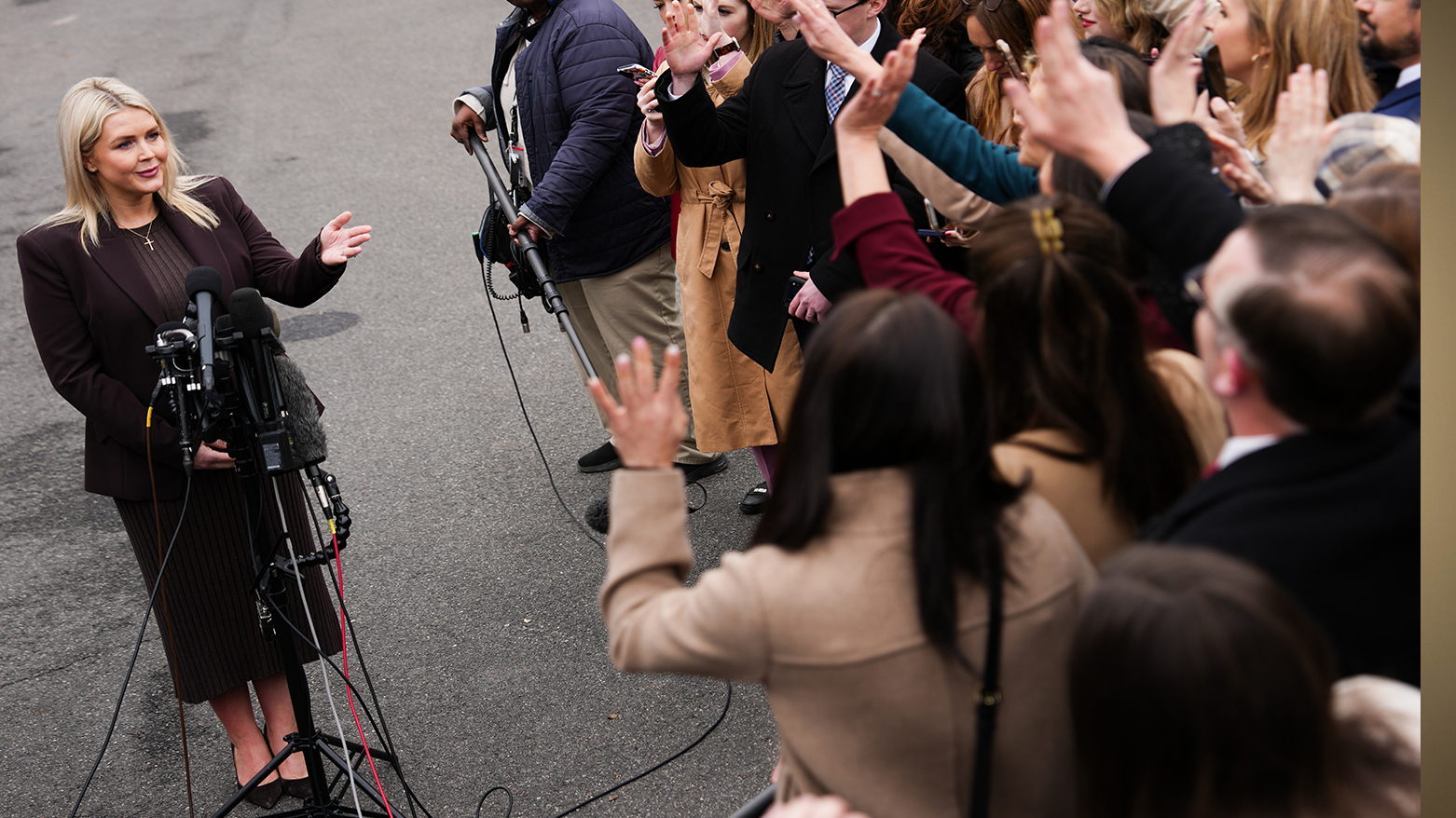
ERBIL (Kurdistan24) — Donald Trump has urged European allies to do more to help reopen the strategic Strait of Hormuz after U.S. military action against Iran, the White House said Monday, as tensions continue to disrupt global energy flows through the vital waterway.
White House Press Secretary Karoline Leavitt said the U.S. president discussed the issue with several European leaders, arguing that allied countries have benefited from Washington’s military operations targeting Iranian capabilities.
“These other countries are benefiting greatly from the United States military taking out the threat of Iran,” Leavitt told reporters. “The president is absolutely right to call on countries to do more to help the United States reopen the Strait of Hormuz so that we can stop this terrorist regime from restricting the free flow of energy.”
Leavitt added that Iranian actions in the narrow maritime corridor underscored why Trump had ordered the strikes in the first place.
The Strait of Hormuz, a narrow shipping lane between Iran and Oman, is one of the world’s most critical energy chokepoints, with roughly 20 percent of global oil supplies passing through it.
According to the White House, the United States has intensified operations aimed at weakening Iran’s military and naval capabilities. Leavitt said attacks by Iranian naval forces have dropped by about 90 percent following U.S. strikes.
She also revealed that more than 7,000 military targets inside Iran have been hit so far as part of the ongoing campaign.
Trump has also pressed European allies, including the United Kingdom, to step up their role in securing the shipping route. Leavitt noted that the president wished London had acted “quicker and sooner,” but said he expected allied contributions to increase.
Trump warned of a “very bad” future for NATO if U.S. allies don’t assist in opening the Strait of Hormuz, the Financial Times reported.
Earlier this month, Trump said on social media that he did not need Britain to deploy an aircraft carrier to the region, claiming the war had already been won.
Leavitt said the president remains focused on maintaining momentum in the military campaign, known as Operation “Epic Fury,” aimed at countering Iran and ensuring maritime security in the Gulf.
More broadly, the dispute over the Strait of Hormuz highlights the escalating strategic stakes of the confrontation between Washington and Tehran, as the waterway remains a critical artery for global energy markets.
Any prolonged disruption to shipping through the corridor risks driving volatility in oil supplies and drawing additional international actors into efforts to safeguard maritime navigation.
With the United States urging its allies to take a more active role, the coming weeks may determine whether a broader coalition emerges to secure the passage and stabilize one of the world’s most sensitive geopolitical flashpoints.