Iraq’s Shia Power Bloc Fractures Into Two Rival Camps Ahead of Cabinet Vote
Iraq's ruling Shia alliance faces its deepest internal crisis in years as rival factions form competing blocs.
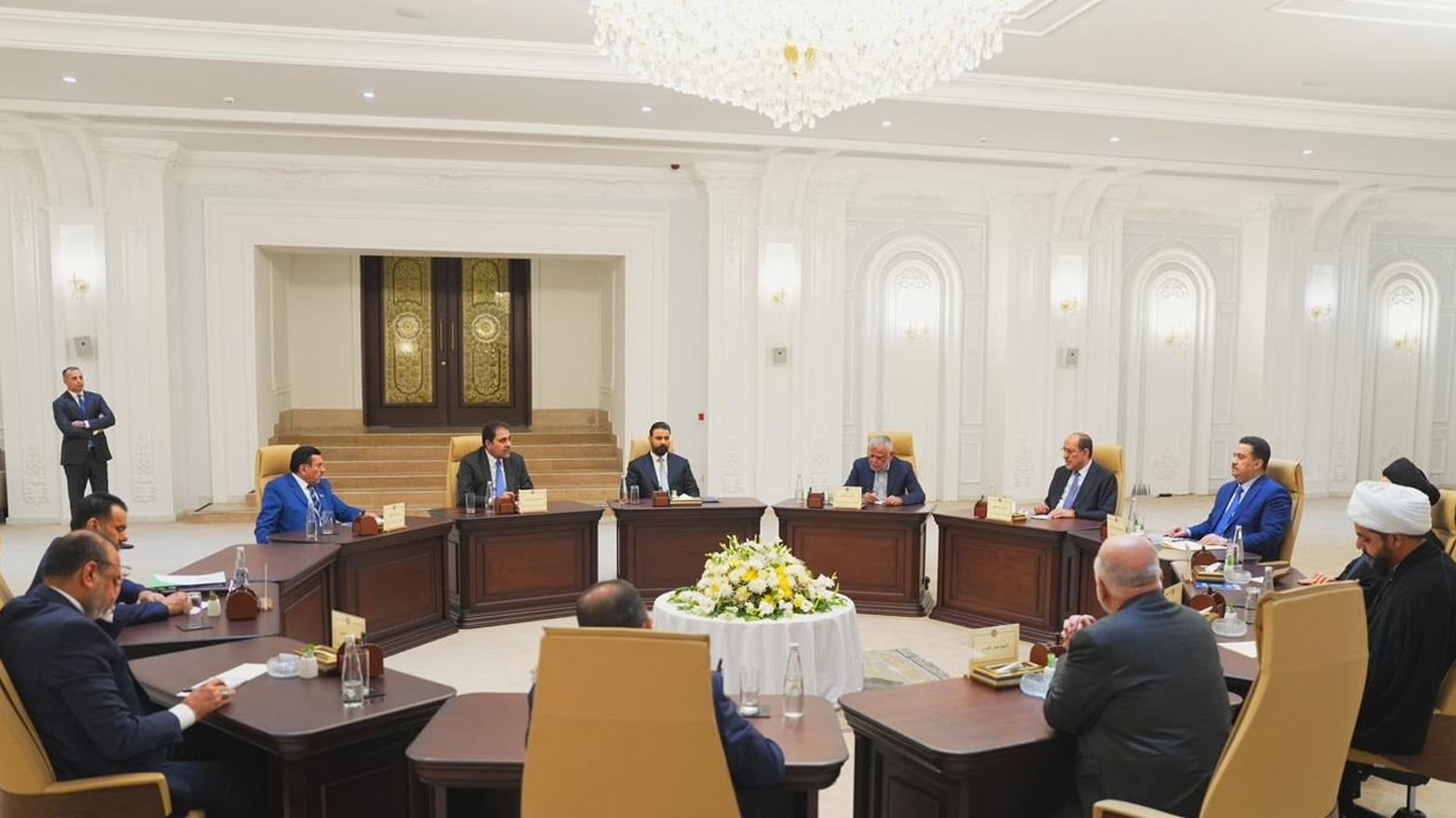
ERBIL (Kurdistan24) - The Coordination Framework, the umbrella coalition that has long anchored Shia political dominance in Baghdad, is showing growing signs of fragmentation amid escalating disputes over cabinet appointments, political influence, and the impact of US sanctions on several key figures.
A source within the alliance, speaking to Kurdistan24 on condition of anonymity due to the sensitivity of the matter, said the divisions have now taken shape around two rival camps.
The first camp is aligned with former Iraqi Prime Minister Nouri al-Maliki and includes prominent figures such as Hadi al-Ameri, Faleh al-Fayyadh, Ahmad al-Asadi, and Mohsen al-Mandalawi, in addition to several other senior political leaders.
According to the source, this bloc is working to build a new political alliance aimed at counterbalancing the camp loyal to Iraqi Prime Minister Mohammed Shia’ al-Sudani.
The second camp, which supports al-Sudani, continues to receive backing from Ammar al-Hakim and Qais al-Khazali. Supporters of this bloc have described their efforts as an attempt to “correct the political course.”
The dispute intensified following the parliamentary confidence vote on Ali Zaidi’s government, during which candidates put forward by the State of Law Coalition for the ministries of interior and higher education failed to secure parliamentary approval.
The development exposed growing tensions within the alliance over power-sharing and ministerial allocations.
The crisis deepened further after 20 lawmakers withdrew from al-Sudani’s “Reconstruction and Development” coalition.
The departing MPs belong to three factions, Aqd al-Watani, Sumeriyoun, and Ansar al-Awfia, which reportedly objected to receiving only the agriculture ministry portfolio, considering the allocation insufficient.
The situation has also been complicated by US sanctions imposed on figures linked to armed factions, including “Faleh al-Fayyadh and Ahmad al-Asadi,” which have effectively prevented them from assuming ministerial posts, according to the sources.
In a joint statement, the withdrawing factions accused al-Sudani of “violating political agreements and marginalizing representatives of the people.”
Despite the escalating tensions, some members of the Coordination Framework have sought to downplay the dispute.
Jawad Rahim, a parliamentarian from the National Forces faction, described the disagreements as part of normal democratic political dynamics.
“What exists is only a difference of opinion within the framework of democracy, not a division,” he said.
Dr. Mohammed Ugaili, a member of al-Sudani’s alliance, similarly characterized the withdrawal of the factions as “a normal political matter.”
Nevertheless, Kurdistan24 sources indicated that efforts are already underway to form a new coalition aimed at supporting Prime Minister Zaidi’s government.
According to the sources, “the emerging alliance is expected to include al-Sudani, al-Hakim, al-Khazali, Mohammed al-Halbousi, Rayan al-Kaldani, as well as several Shia and Sunni political parties.”
Al-Sudani’s parliamentary position, however, appears to have weakened. His bloc reportedly now holds 25 seats, down from 30, amid reports that five independent lawmakers may also withdraw their support.
The developments raise fresh questions over the future cohesion of the Coordination Framework and whether a new political arrangement can maintain stability within Iraq’s governing coalition.