Iran’s Supreme Leader Rejects Proposals to Ease Tensions With U.S.
Khamenei’s rejection of de-escalation proposals signals Iran’s continued adherence to its current stance amid ongoing tensions with the United States, according to the official.
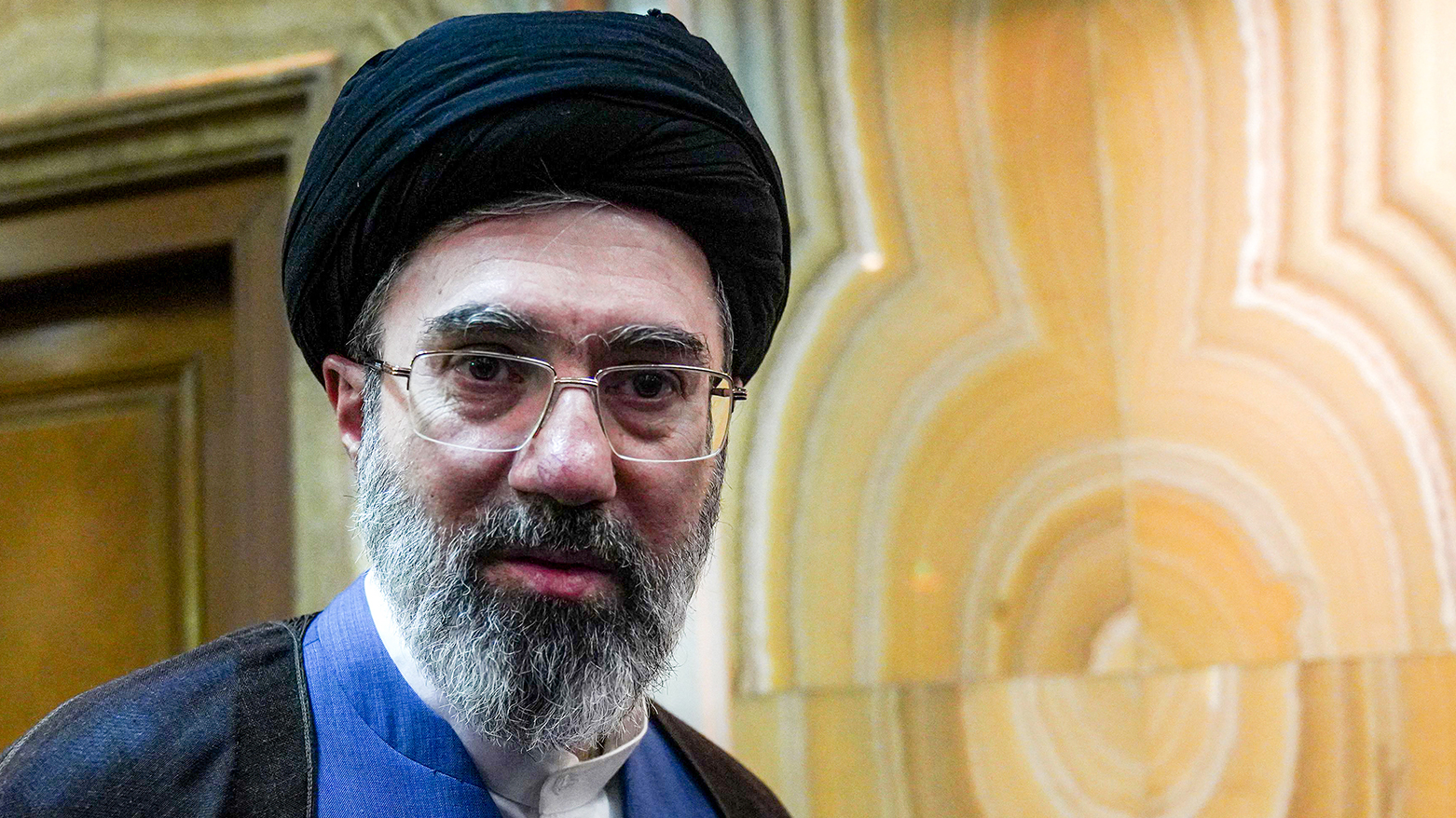
ERBIL (Kurdistan24) - Iran’s Supreme Leader Mojtaba Khamenei has rejected proposals aimed at reducing tensions with the United States, including ceasefire initiatives, an Iranian official told Reuters on Tuesday.
The official, speaking on condition of anonymity, said the proposals were presented during a high-level foreign policy meeting through indirect diplomatic channels and international mediators seeking to contain escalating regional tensions.
According to the source, Khamenei declined the initiatives and emphasized maintaining Iran’s current position without compromise.
The official said Iran’s leadership believes the present circumstances do not allow for negotiations or agreements with Washington, particularly amid ongoing military tensions and continued regional escalation.
“Tehran believes that showing flexibility at this time might be interpreted as weakness,” the source said, adding that the leadership is seeking to avoid such a perception.
The proposals were part of broader diplomatic efforts to de-escalate confrontations in the region, but the Iranian position indicates no immediate shift toward engagement, according to the Reuters report. The official described the stance as reflecting a firm policy approach under the new leadership.
According to the source, Iran’s current direction prioritizes maintaining pressure and avoiding involvement in initiatives aimed at reducing tensions. The position underscores a continued focus on deterrence and resistance to compromise in the current environment.
The remarks come as Israel’s defense minister said Iran’s national security chief, Ali Larijani, was killed in overnight airstrikes, according to reporting by the Associated Press, though Iranian state media has not confirmed the claim. The reported strike also targeted Gen. Gholam Reza Soleimani, head of the Basij militia, a paramilitary force within Iran’s Revolutionary Guard.
Israeli media had earlier described the operation as an assassination attempt, with its outcome initially unclear. Israel’s military chief later cited unspecified “significant preventive achievements,” without detailing casualties.
Larijani, a senior figure in Iran’s leadership, headed the Supreme National Security Council and previously served as parliament speaker and a key adviser on nuclear negotiations. Soleimani led the Basij, which has been sanctioned by the United States and others for its role in suppressing protests.
The reported strike comes amid escalating regional conflict. Iran has launched missiles and drones at targets in the Gulf, including the United Arab Emirates and Saudi Arabia, disrupting airspace and damaging infrastructure. Attacks have also affected shipping near the Strait of Hormuz, a vital global oil route, contributing to rising energy prices.
Israel has simultaneously intensified strikes in Iran and Lebanon, targeting military infrastructure and Hezbollah positions, as the broader conflict continues to expand.